Engagement
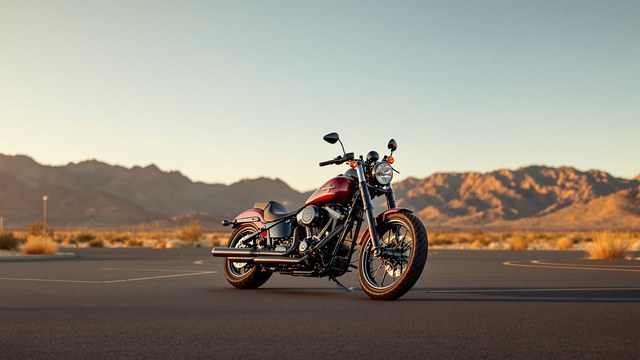
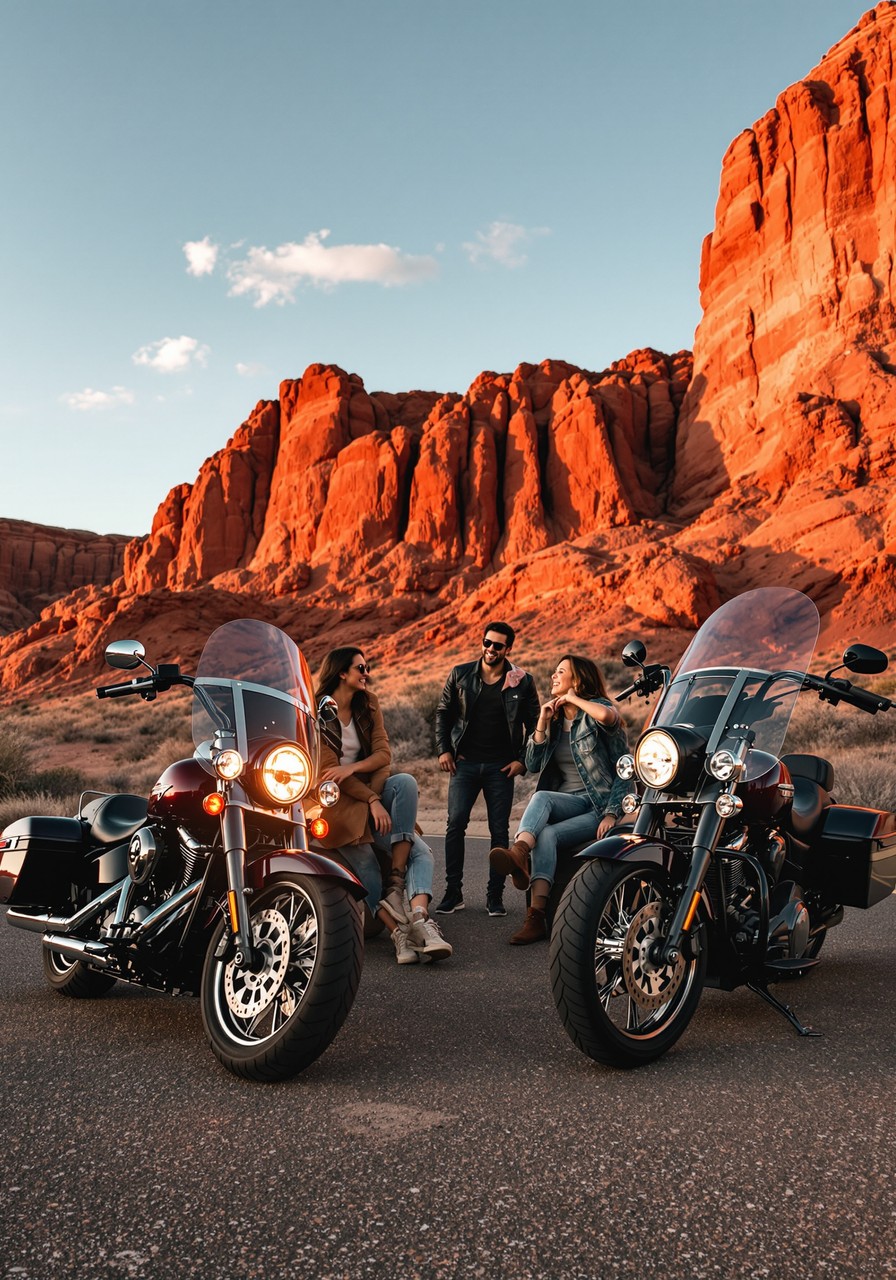
This or that: a Red Rock Scenic Loop sunrise or Valley of Fire at golden hour. Pick one and tell us why. #RideNationNV #RedRockCanyon #ValleyOfFire #VegasRiders
Giveaway & Countdown
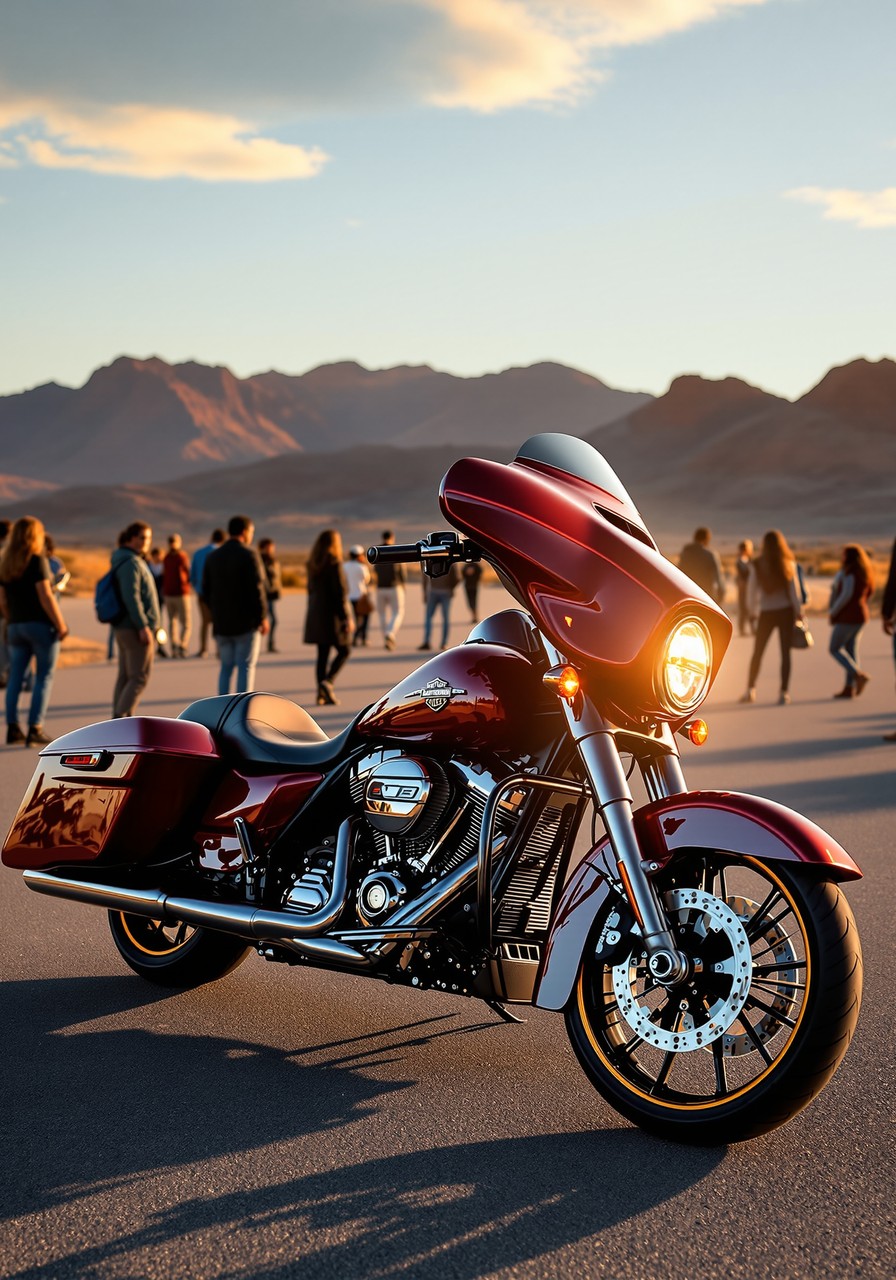
The BikersWin $20,000 motorcycle giveaway is live, Ride Nation. Talk to us about your crash and you are entered, free. Call Eric Blank Injury Attorneys at (702) 819-0865 to ask how. #RideNationNV #BikersWin #20kGiveaway
Local NV & Rides
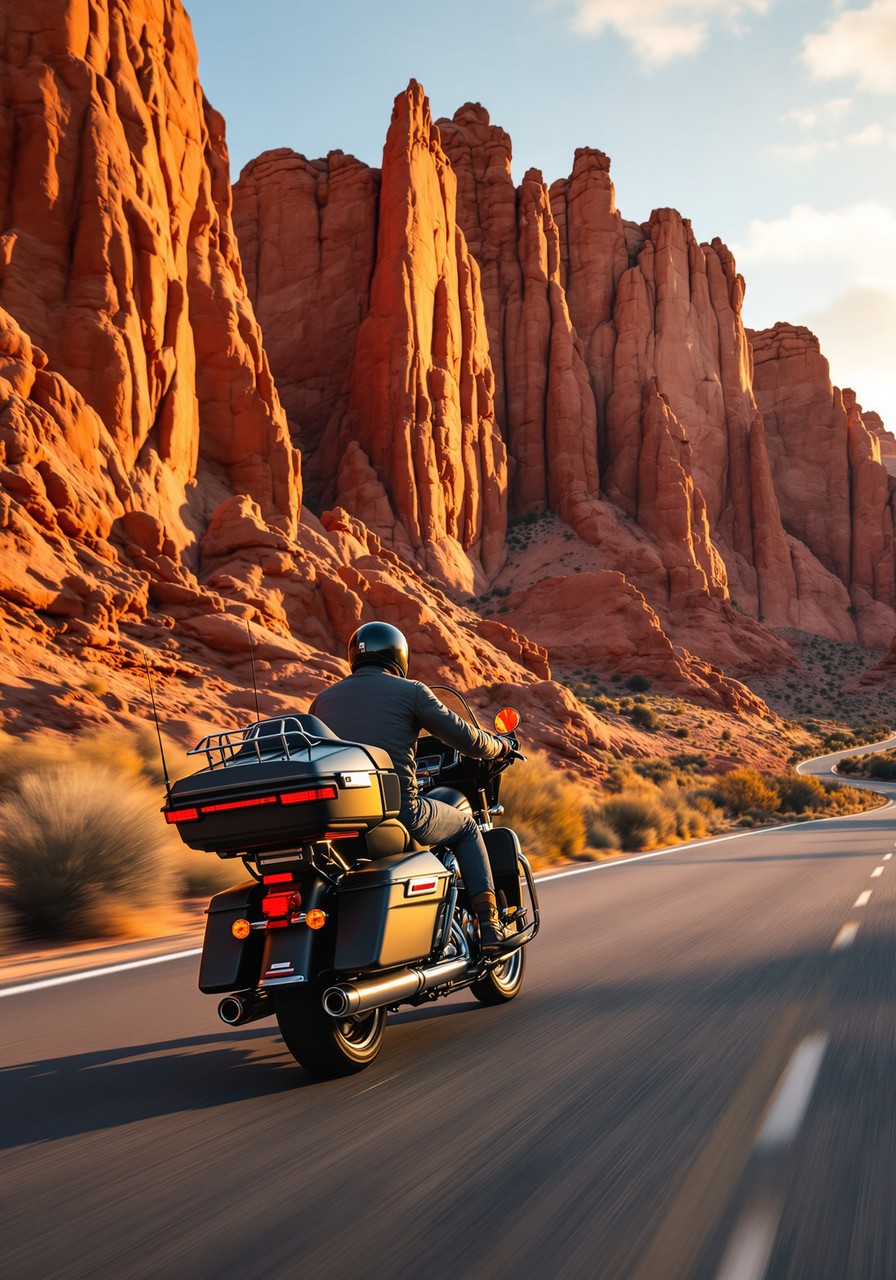
The Red Rock Canyon Scenic Loop at sunrise is the best 13 miles in the valley. Beat the crowds and the heat and put it on this week's list. #RideNationNV #RedRockCanyon #VegasRiders
Gear & New Iron
Nevada helmet law is simple: every rider and every passenger wears a DOT helmet, no exceptions. Check for the DOT sticker before you buy and skip the novelty lids. #RideNationNV #GearUp #ATGATT
Safety & NV Law
Nevada is a 51 percent comparative fault state, which means your recovery drops with your share of blame and disappears if you are found more than half at fault. Insurers know this and push blame onto riders, so document everything at the scene. Questions after a crash? Call Eric Blank Injury Attorneys at (702) 819-0865. #RideNationNV #RiderRights #NevadaRiders
Engagement
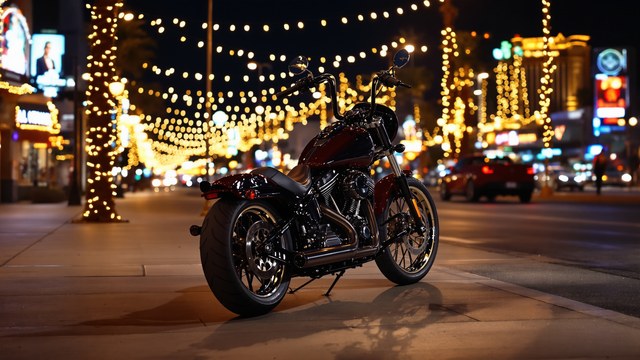
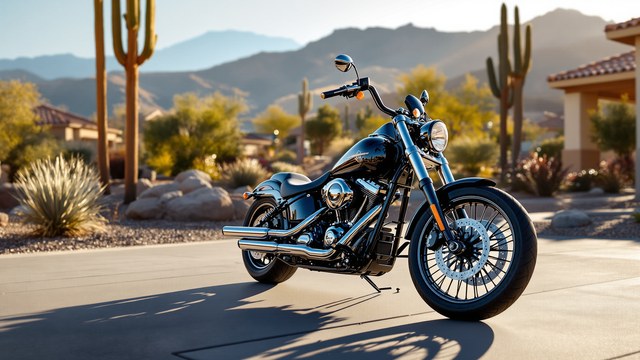
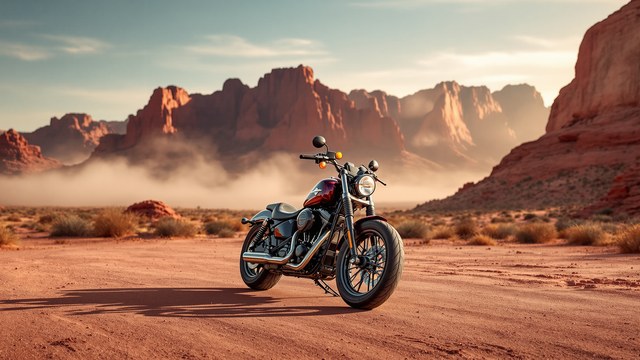
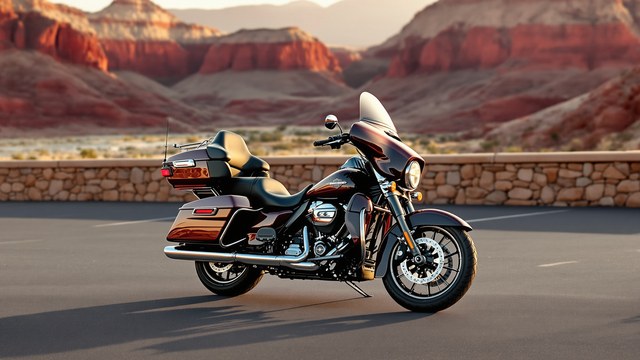
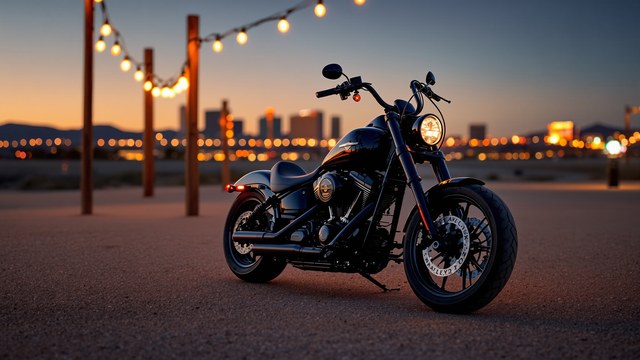
Caption this: your bike parked with the Red Rock walls glowing behind it. Best line gets pinned. #RideNationNV #RedRockCanyon #TwoWheels
Giveaway & Countdown
Wondering how to get in on the $20K? A free case review with us counts as your entry. Ring (702) 819-0865 and we will walk you through it. #RideNationNV #MotorcycleGiveaway #VegasRiders
Local NV & Rides
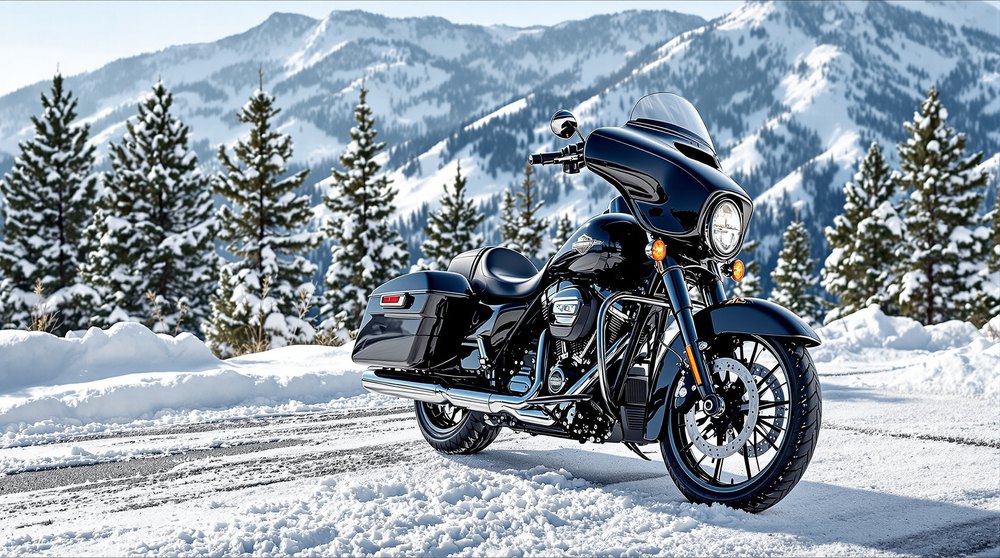
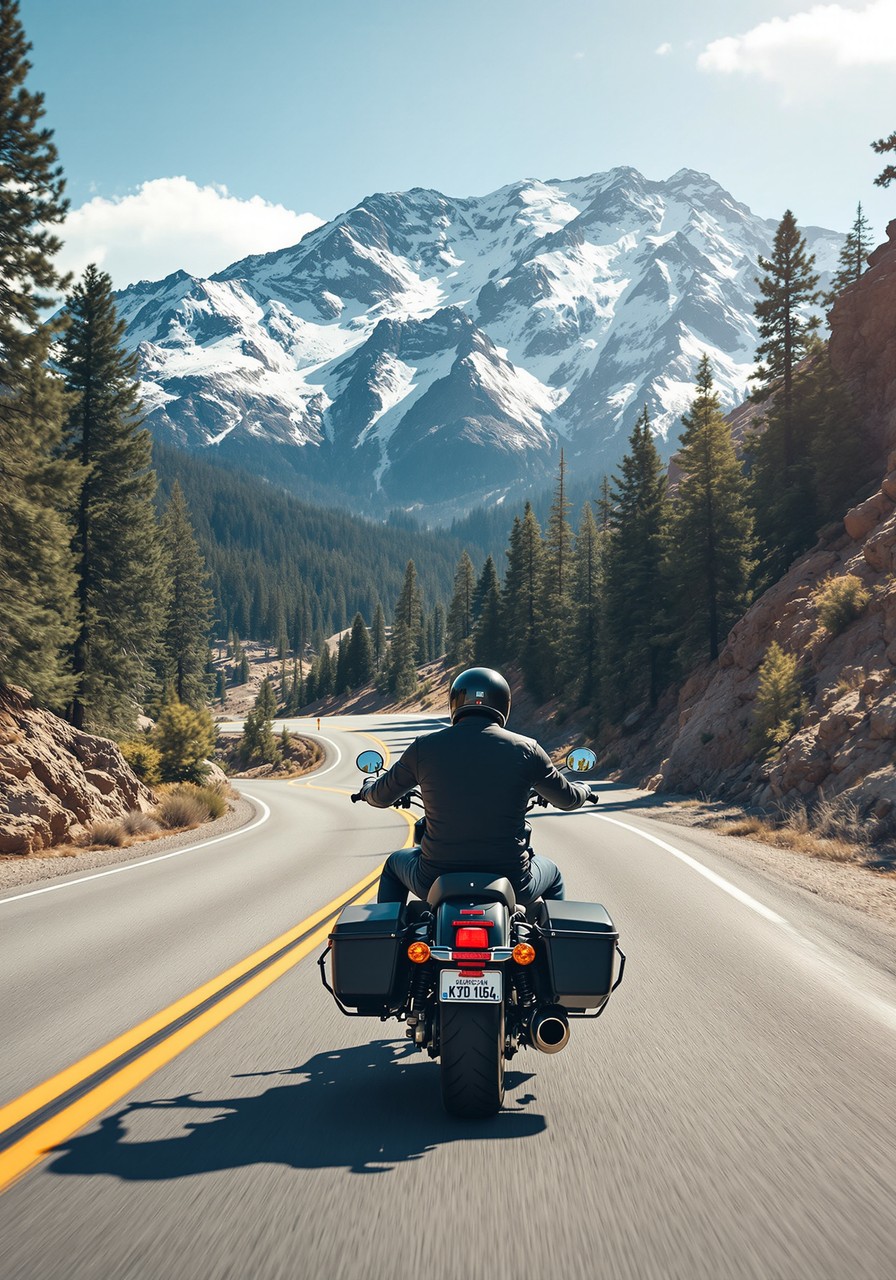
Winter is prime season for us. It can be 55 and clear in the valley while the mountains stay white. Take advantage of the cool desert days. #RideNationNV #DesertRiding #VegasRiders
Gear & New Iron
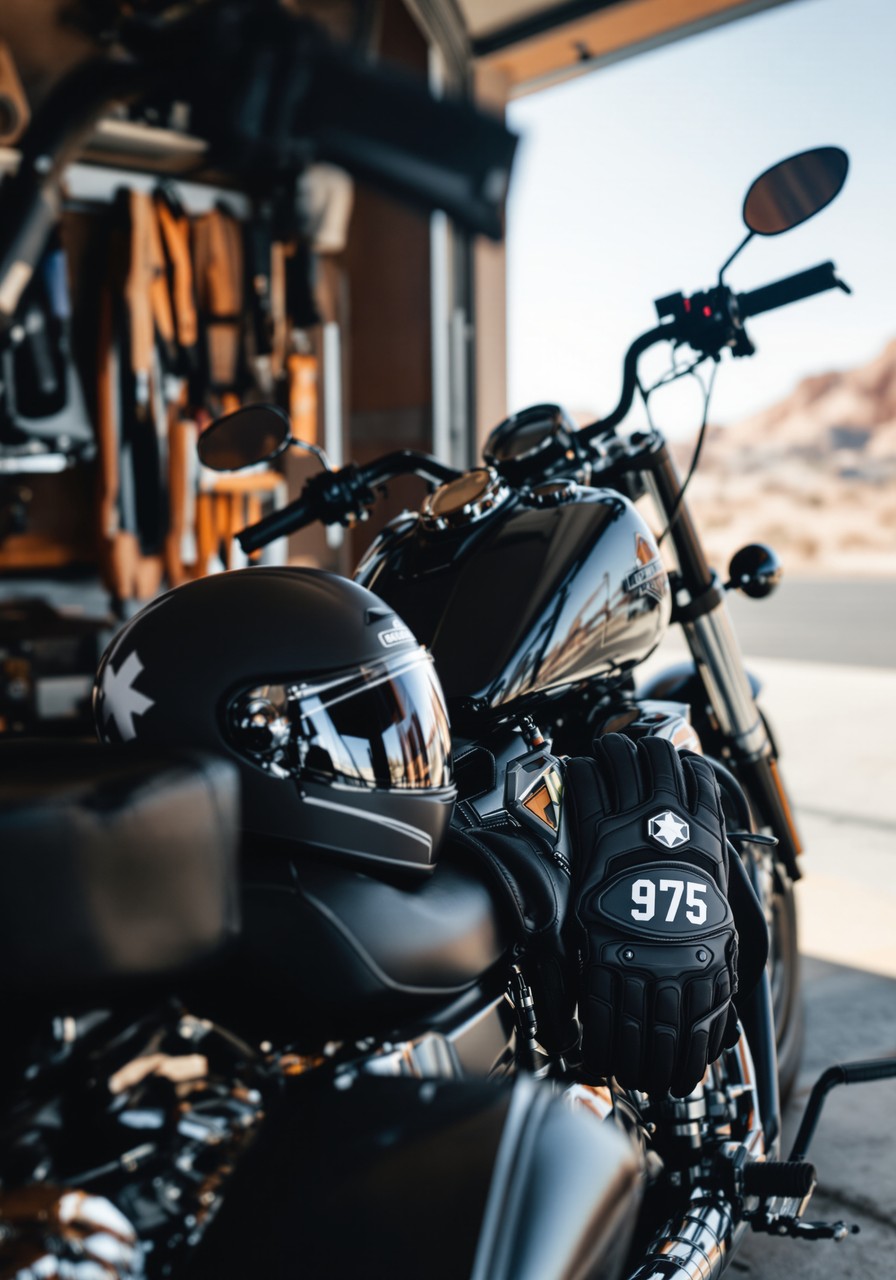
Dropped your helmet off the seat or the garage shelf? Replace it. The foam can crush on the inside where you cannot see it, and it will not protect you the same way twice. #RideNationNV #GearUp #RiderTips
Safety & NV Law
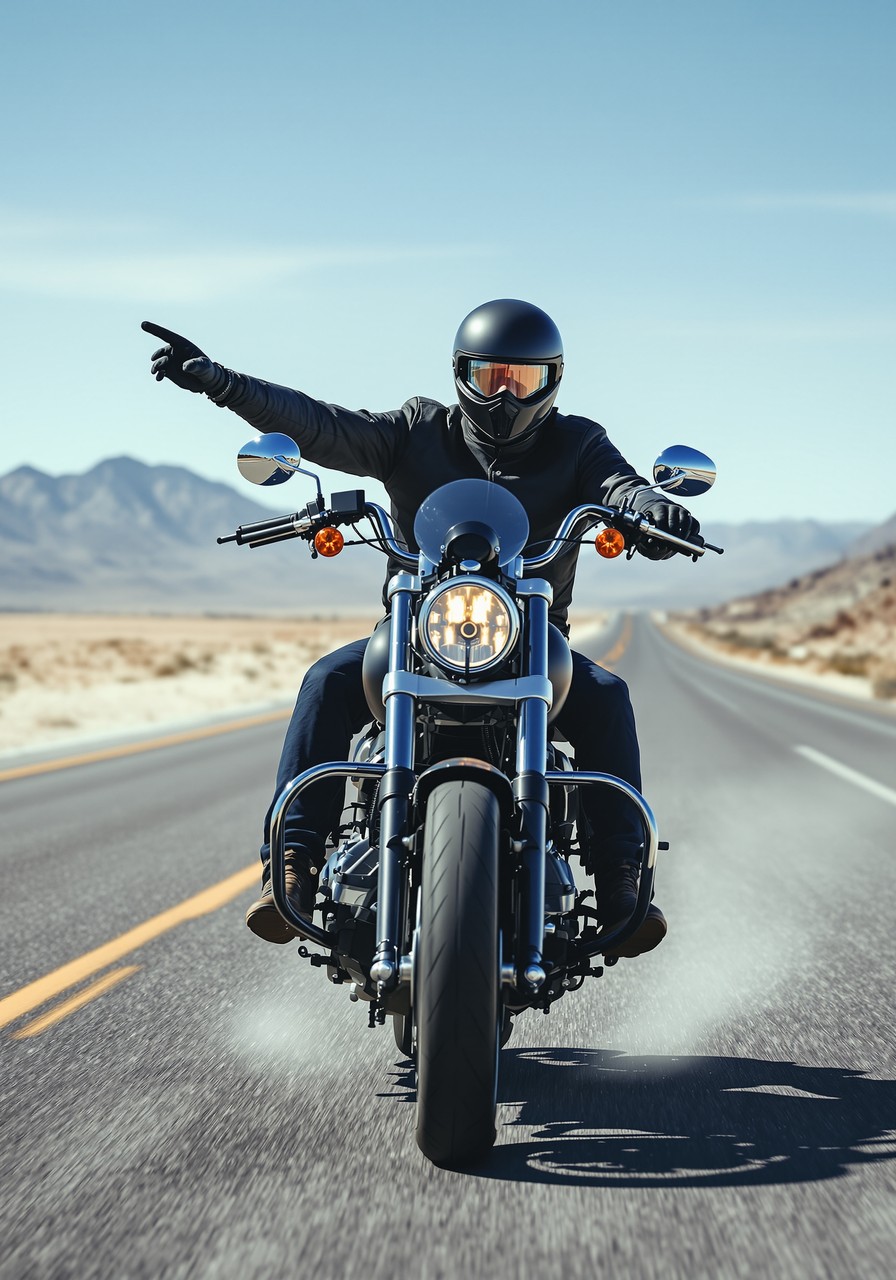
Nevada has no no-fault and no PIP, so after a crash you lean on health insurance, MedPay, the at-fault driver, and your UM/UIM coverage. With this much tourist and uninsured traffic, UM/UIM is your real backstop. Not sure what you carry? Call Eric Blank Injury Attorneys at (702) 819-0865. #RideNationNV #NevadaRiders #KnowYourRights
Engagement
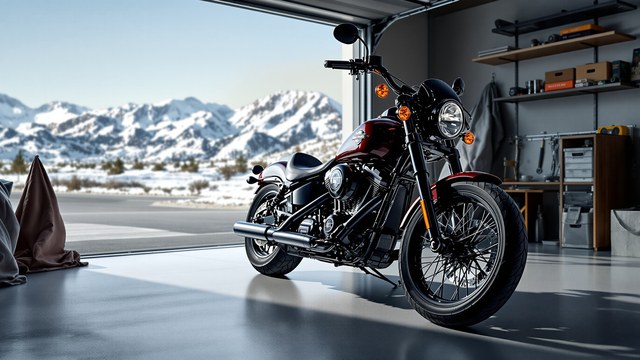
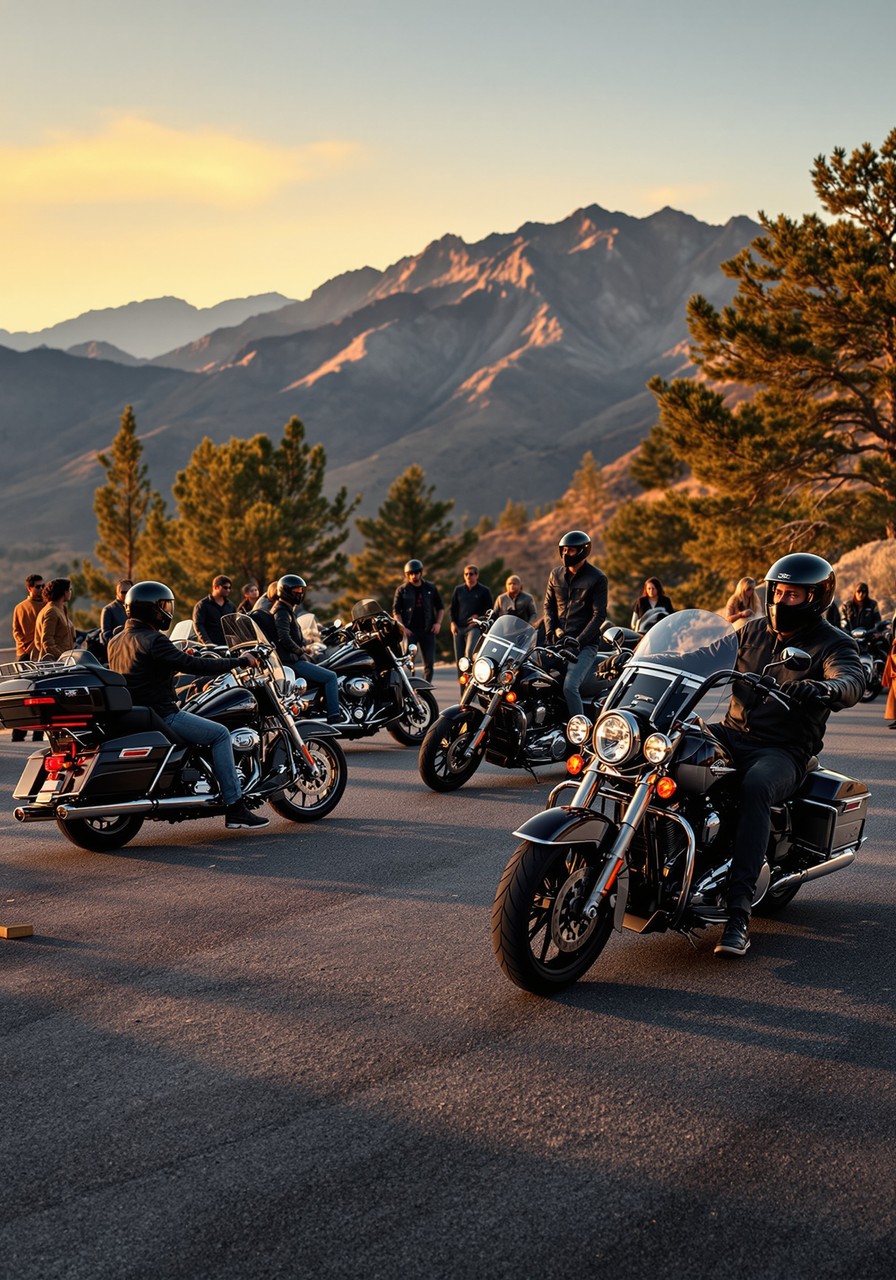
Poll: December weekend plan. Cool-season desert ride or a full garage wrench day? Drop your pick below. #RideNationNV #DesertRiding #VegasRiders
Giveaway & Countdown
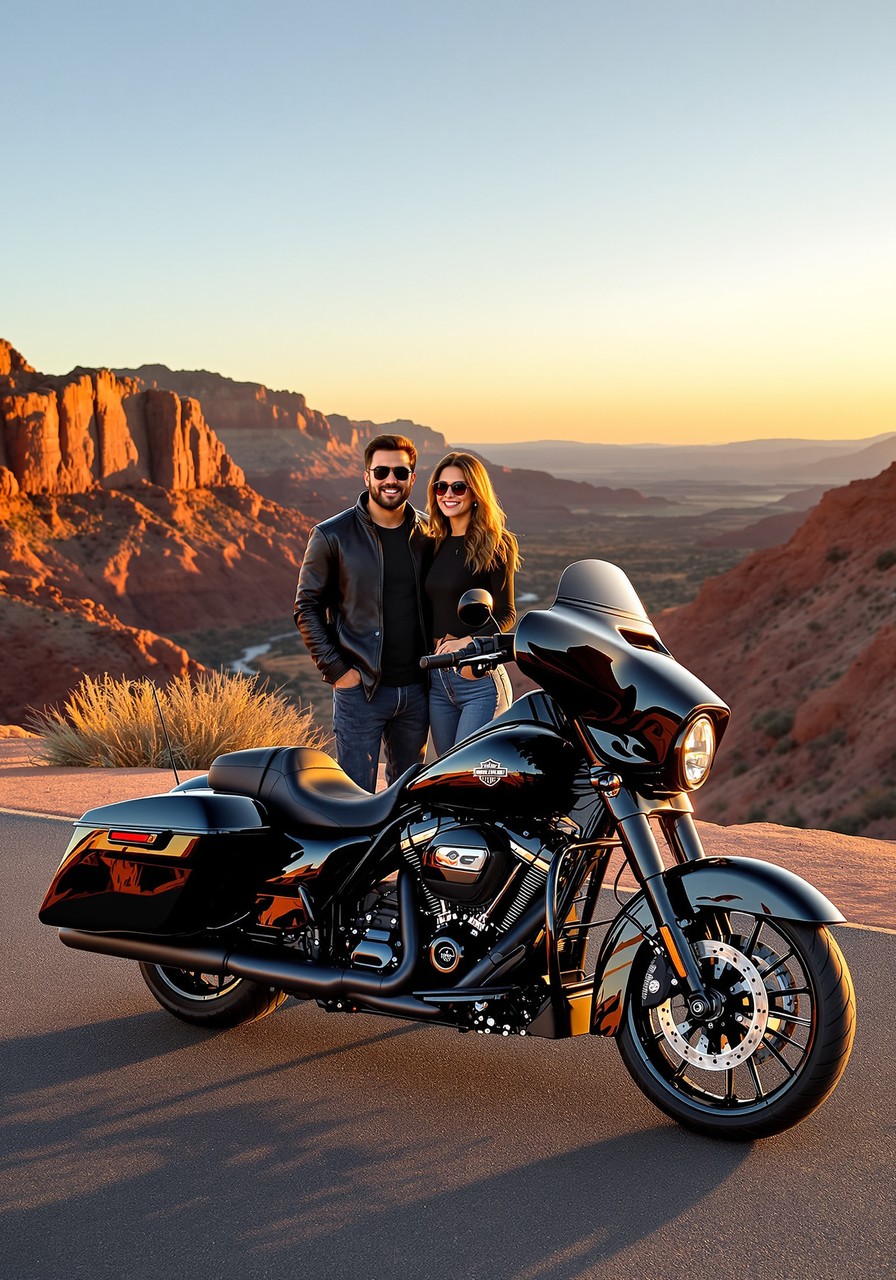
No purchase, no catch. If you have been down on Nevada roads, a conversation with Eric Blank Injury Attorneys enters you in the BikersWin giveaway. Call (702) 819-0865. #RideNationNV #BikersWin #NevadaRiders
Local NV & Rides
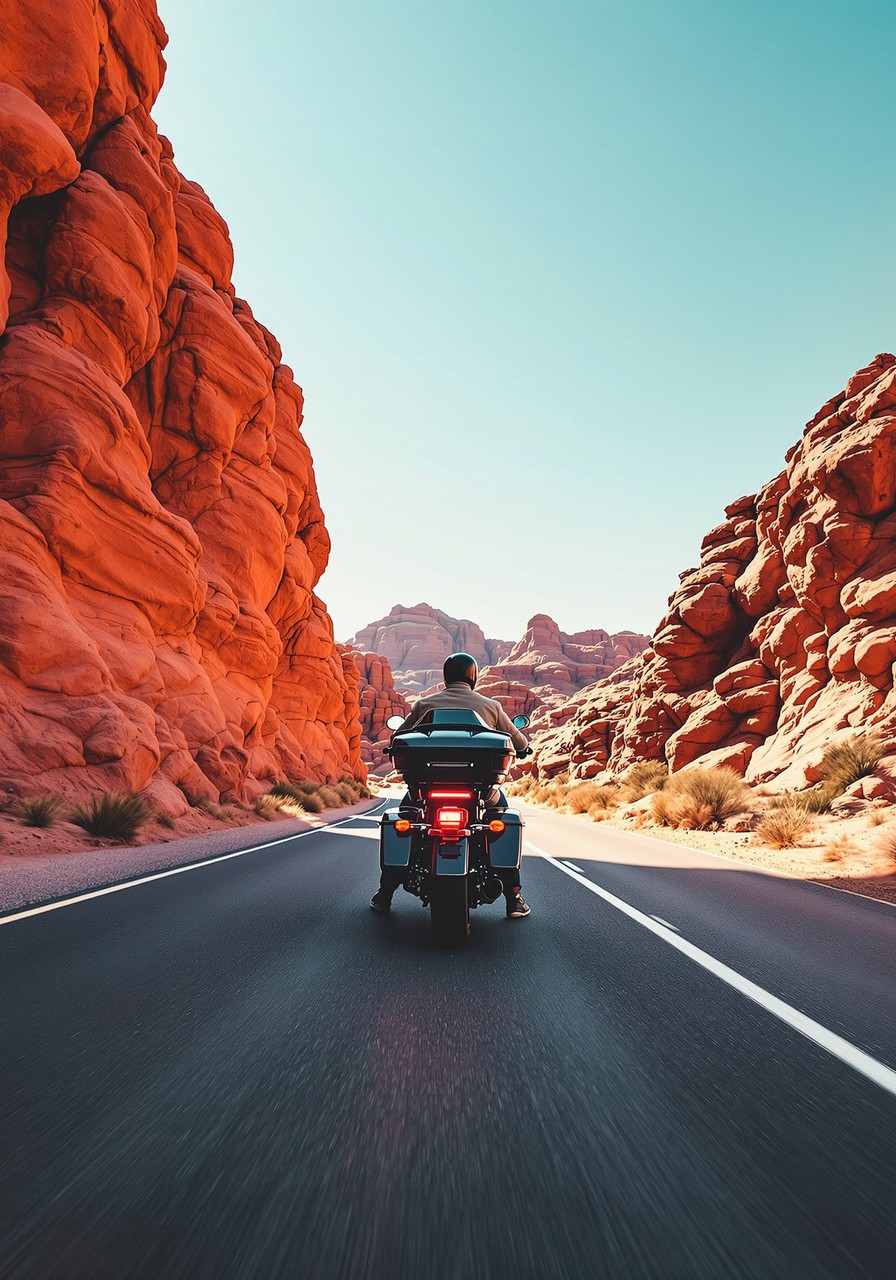
Reminder for the die-hards: it can be 60 down here and iced over on Mount Charleston. Respect the altitude on SR-157. #RideNationNV #MountCharleston
Gear & New Iron
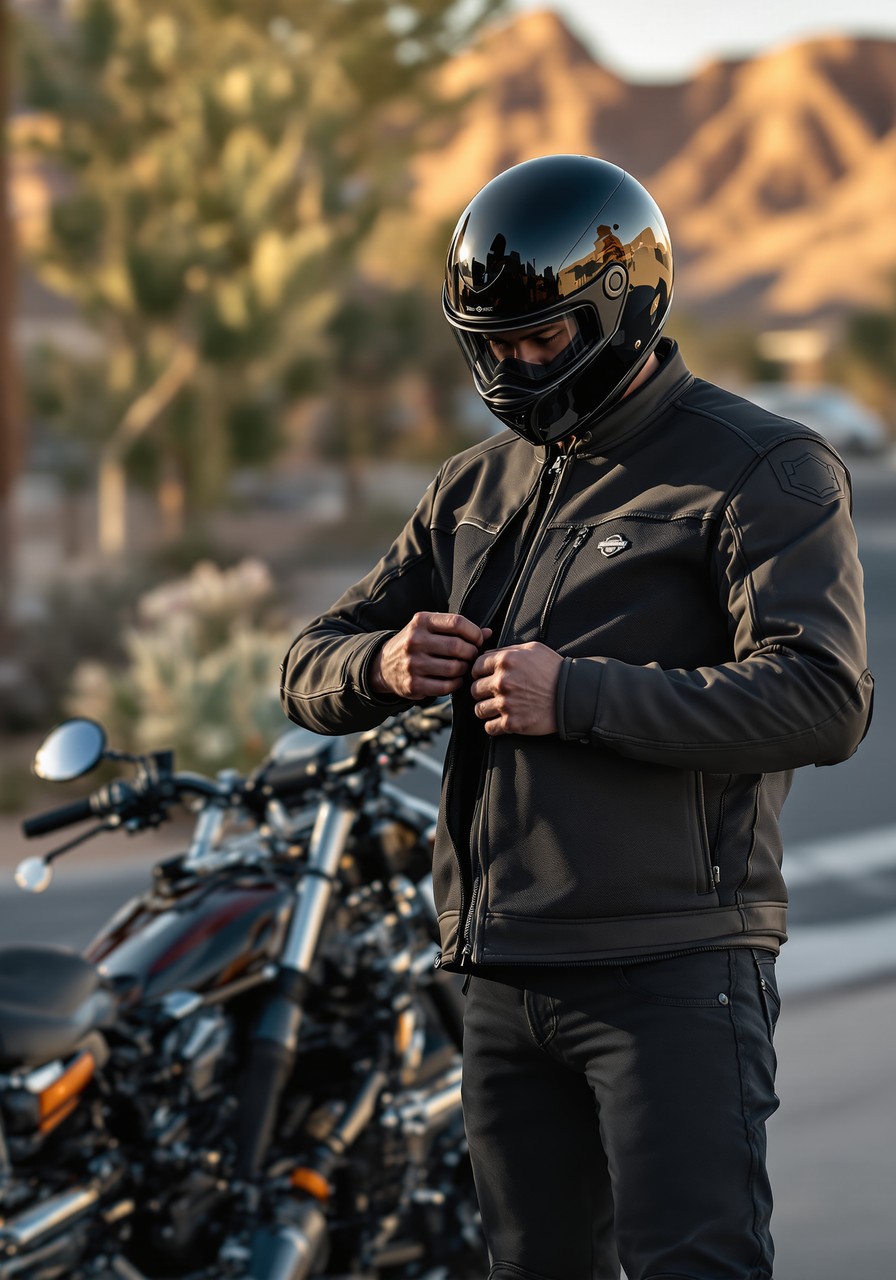
Helmets have a shelf life. If yours is pushing five years old, the liner and glue are breaking down even if it looks fine. Time for new iron on your head. #RideNationNV #GearUp #ATGATT
Safety & NV Law
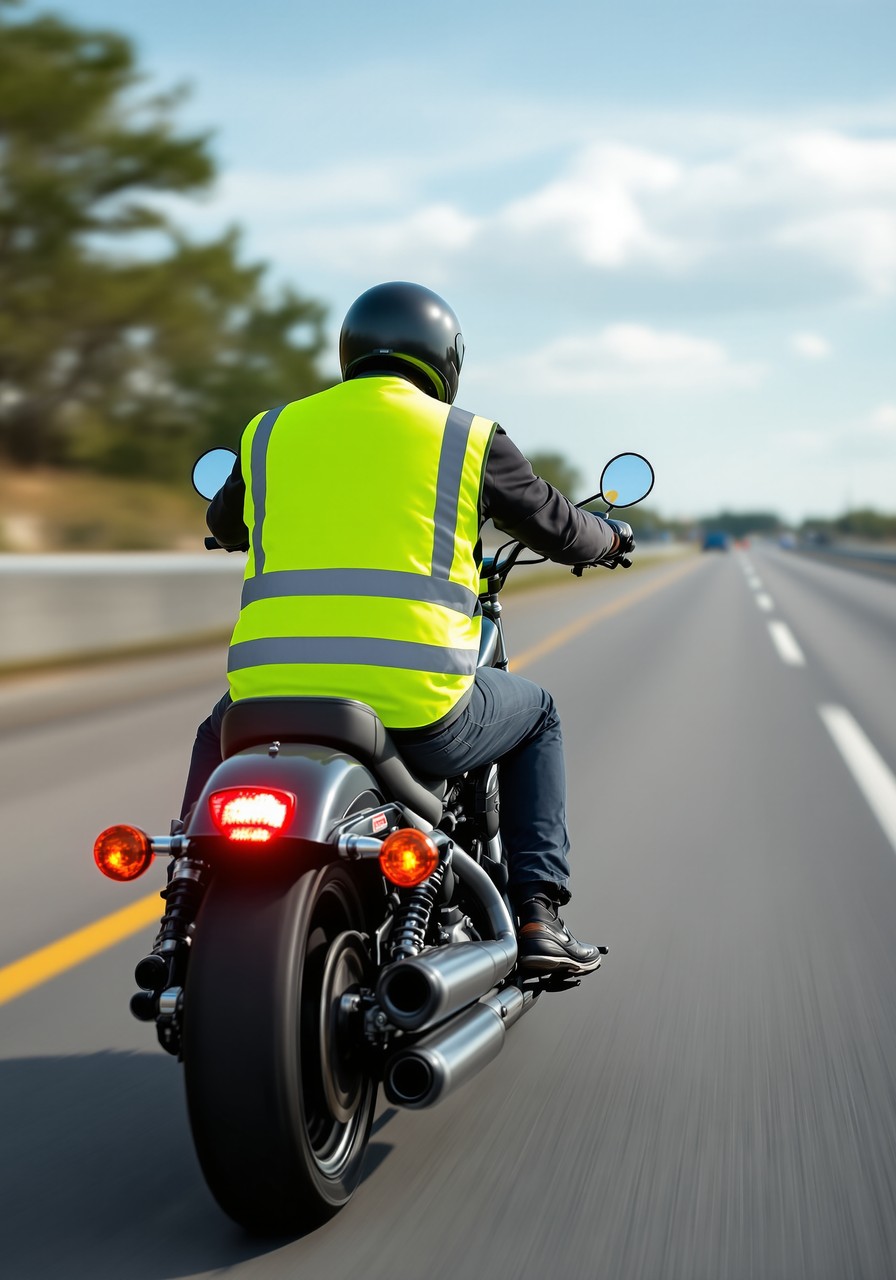
You have two years from a Nevada crash to file a personal injury claim, and that clock does not care how busy your recovery is. Waiting can cost you the whole case. Talk it through early with Eric Blank Injury Attorneys at (702) 819-0865. #RideNationNV #RiderRights #VegasRiders
Engagement
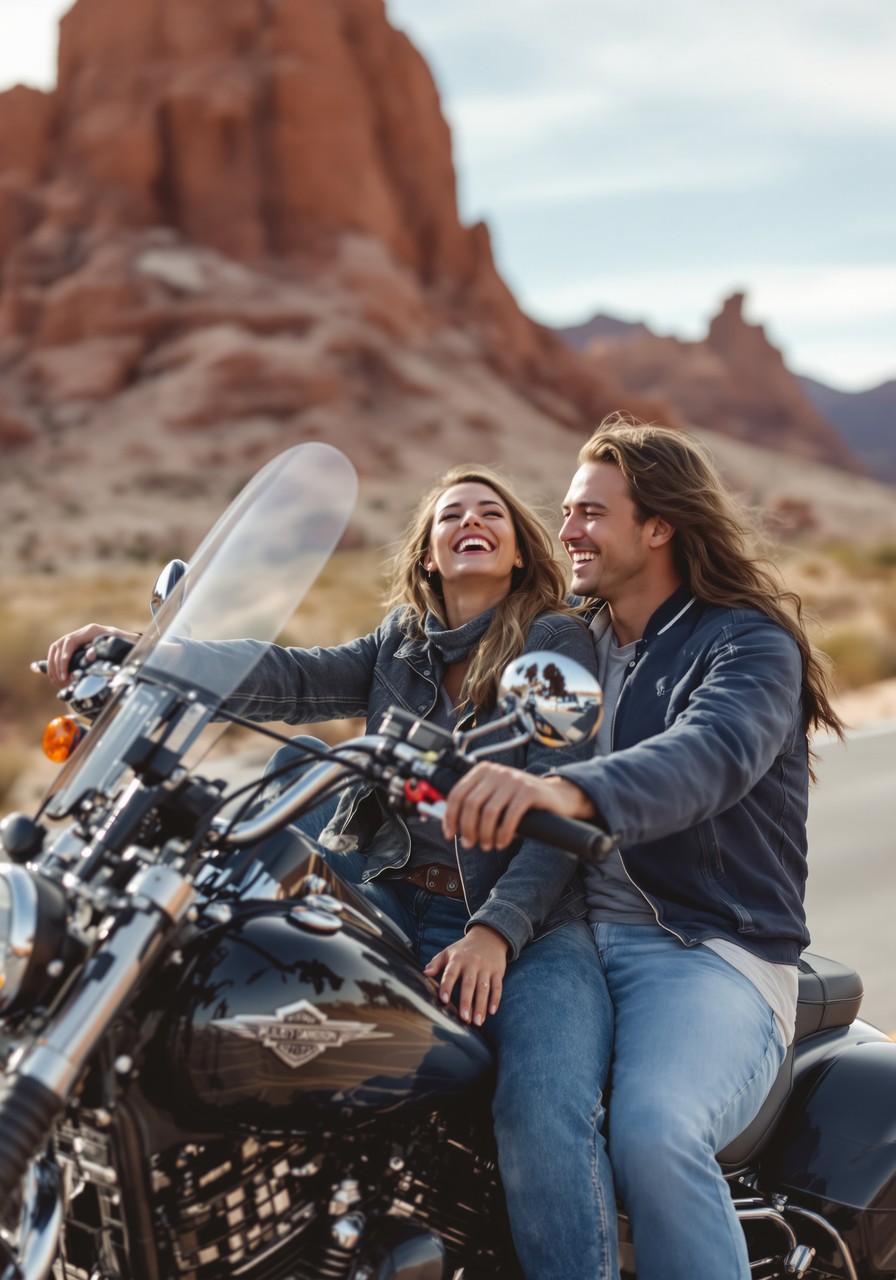
Tag your ride-or-die. The one who answers the group text before you finish typing it. #RideNationNV #RideOrDie #NevadaRiders
Giveaway & Countdown
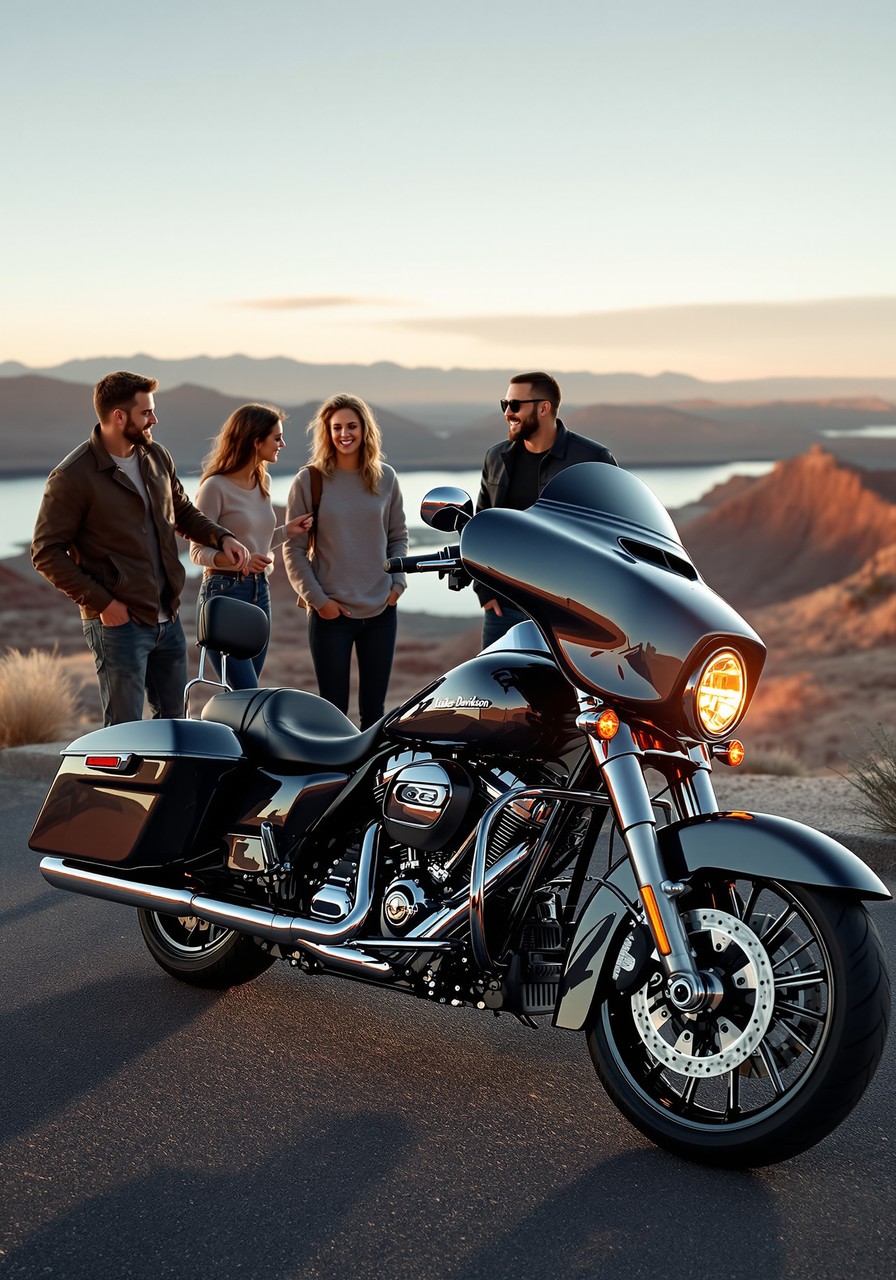
Got questions about the $20,000 ride? We have answers. Dial (702) 819-0865 and ask us anything about entering. #RideNationNV #20kGiveaway #VegasRiders
Local NV & Rides
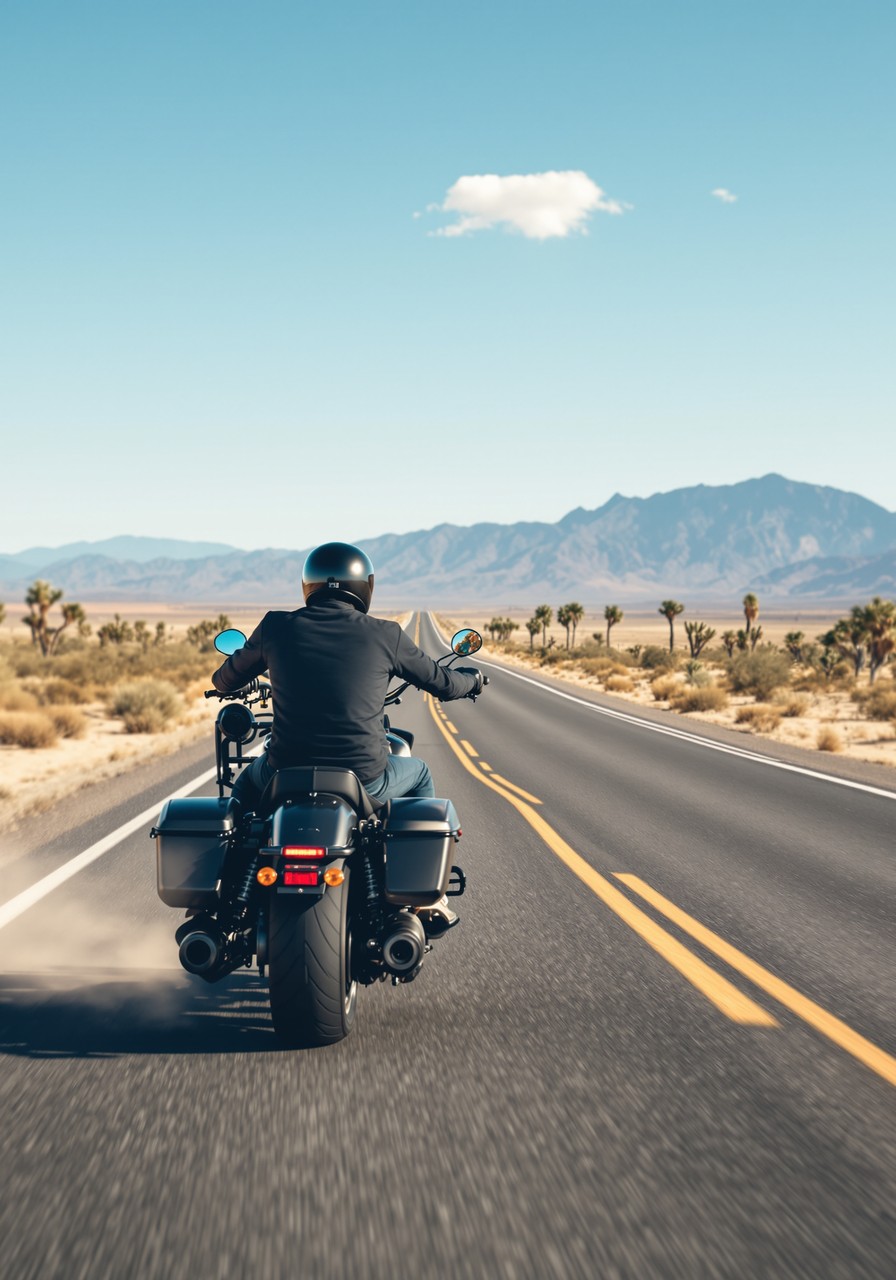
Valley of Fire on SR-169 in winter light hits different. The red rock glows and the traffic is thin. Fuel up before you go, services are scarce out there. #RideNationNV #ValleyOfFire #DesertRiding
Gear & New Iron
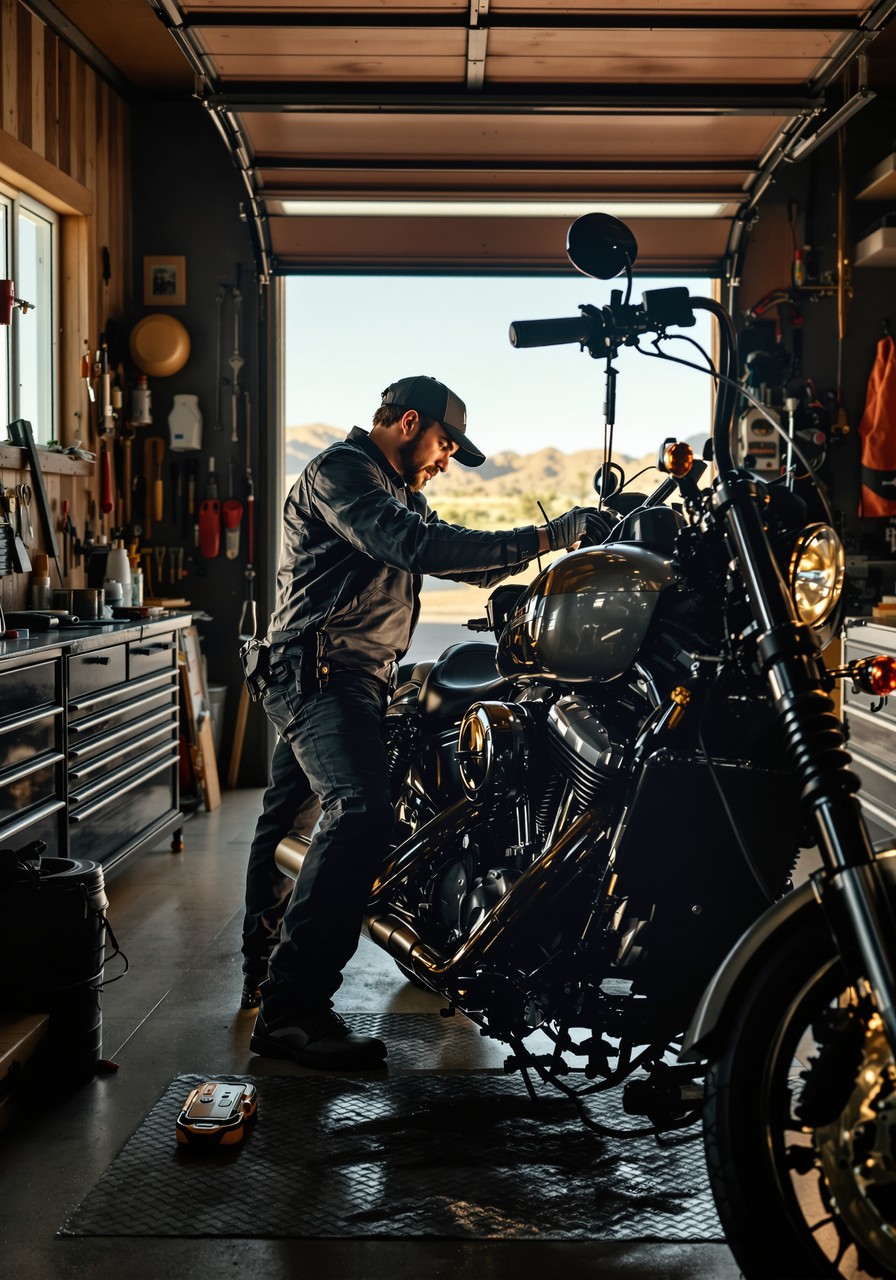
Desert truth: mesh and ventilated gear are not optional out here. Ride covered so road rash and sunburn never get a vote. #RideNationNV #GearUp #DesertRiding
Safety & NV Law
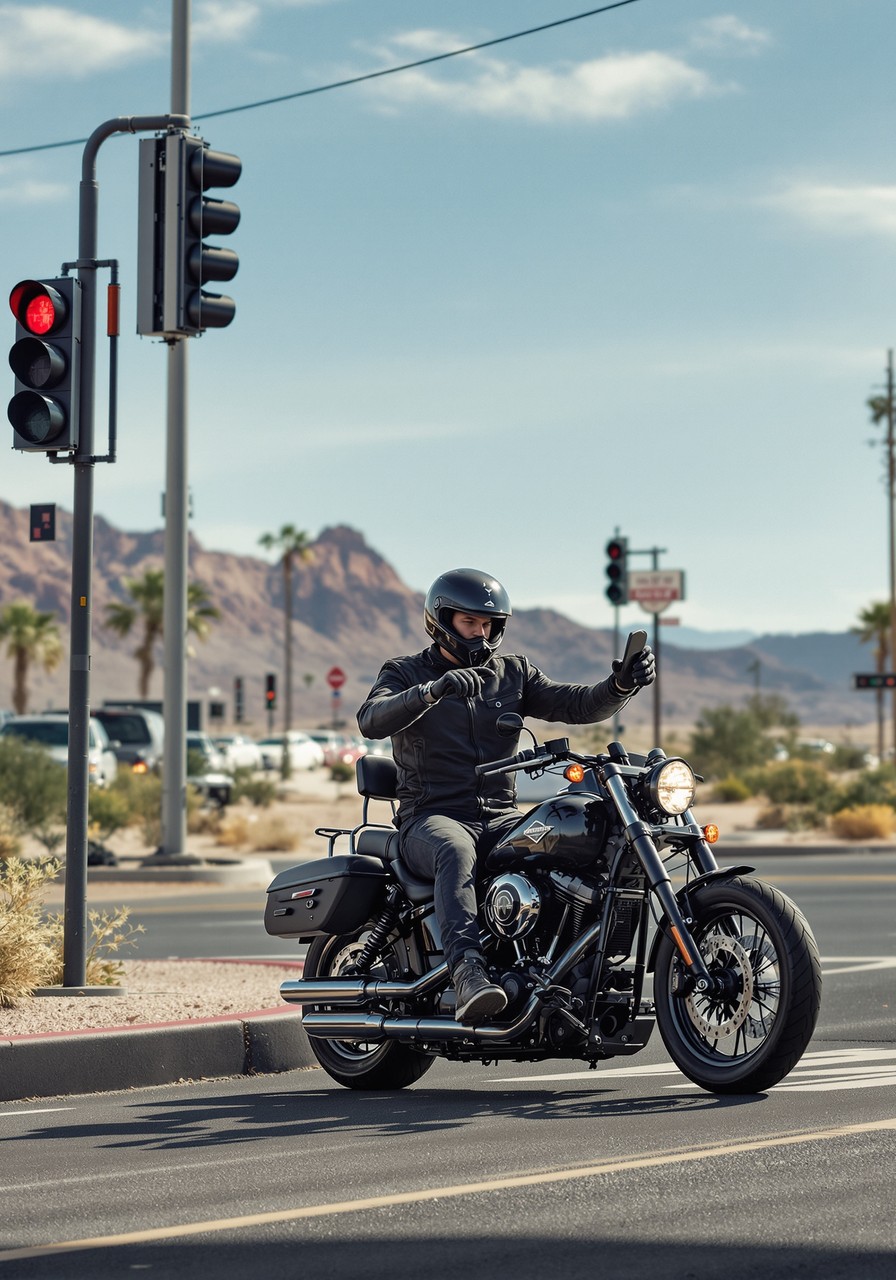
After a wreck, the story the insurer tells is built from whatever you did not photograph. Get the plates, the intersection, the skid marks, the other driver, and any damage before it is towed. Need help protecting your claim? Call Eric Blank Injury Attorneys at (702) 819-0865. #RideNationNV #MotorcycleSafety #RiderRights
Engagement
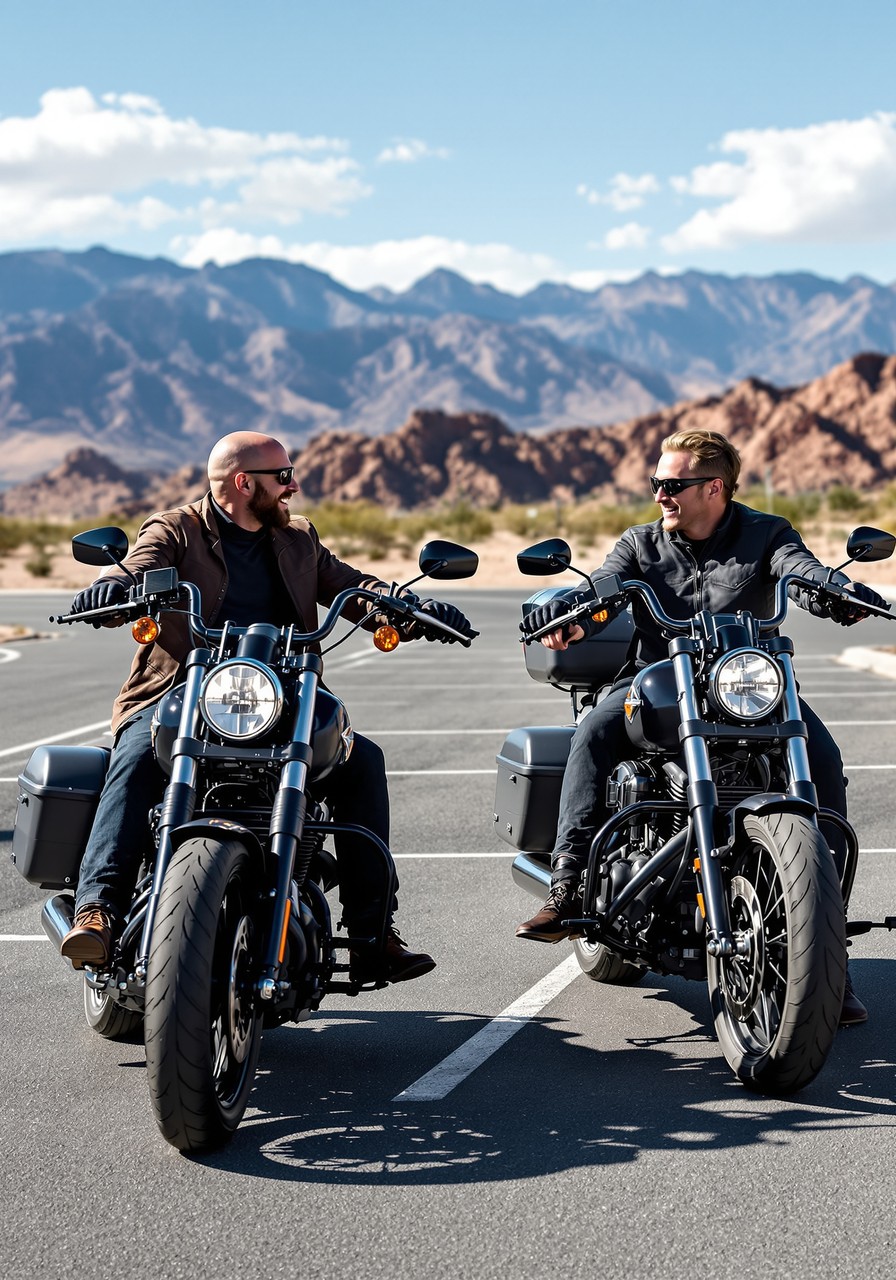
Fill in the blank: Winter riding in Vegas is the best because ______. #RideNationNV #VegasRiders #TwoWheels
Giveaway & Countdown
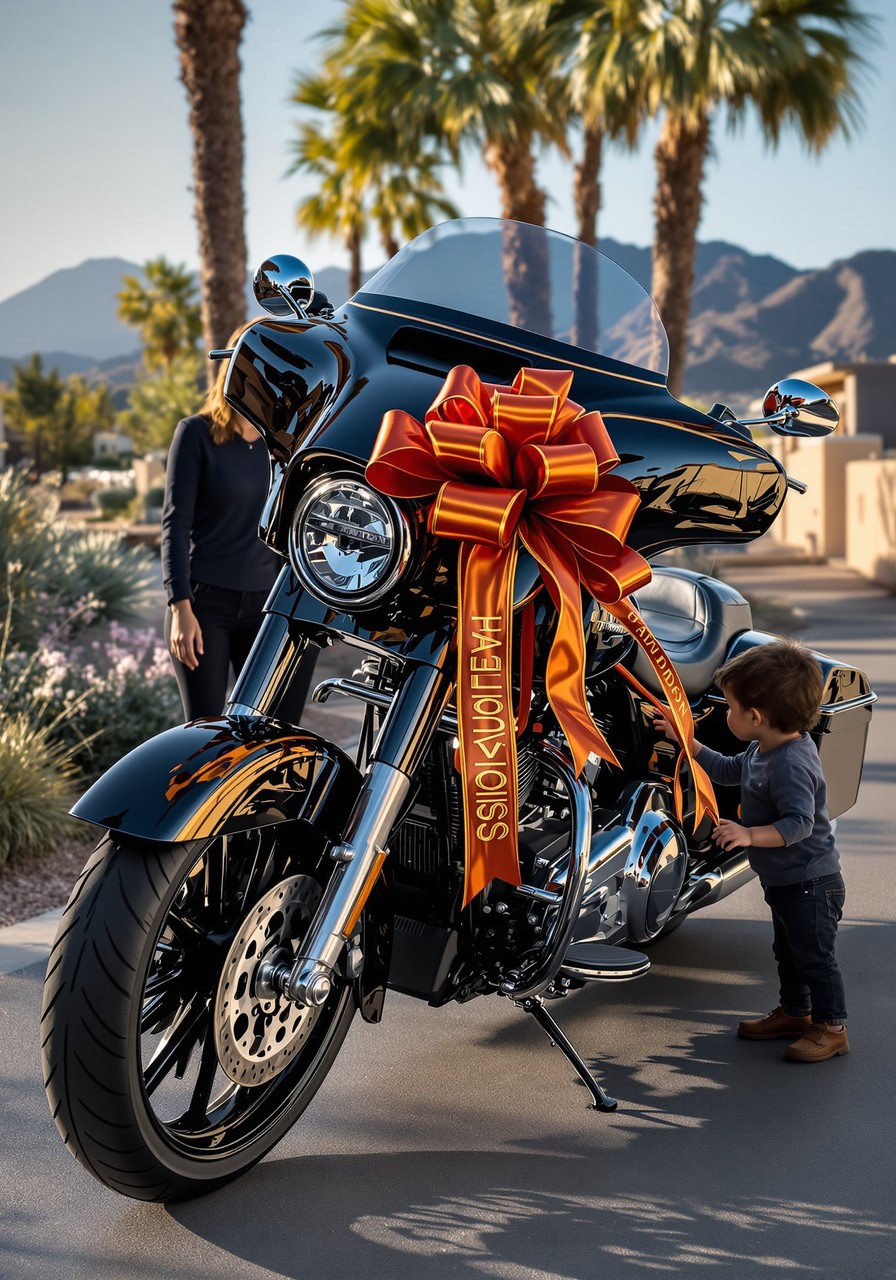
Your crash claim and your giveaway entry can start with one call. Reach Eric Blank Injury Attorneys at (702) 819-0865. #RideNationNV #BikersWin #DesertRiding
Local NV & Rides
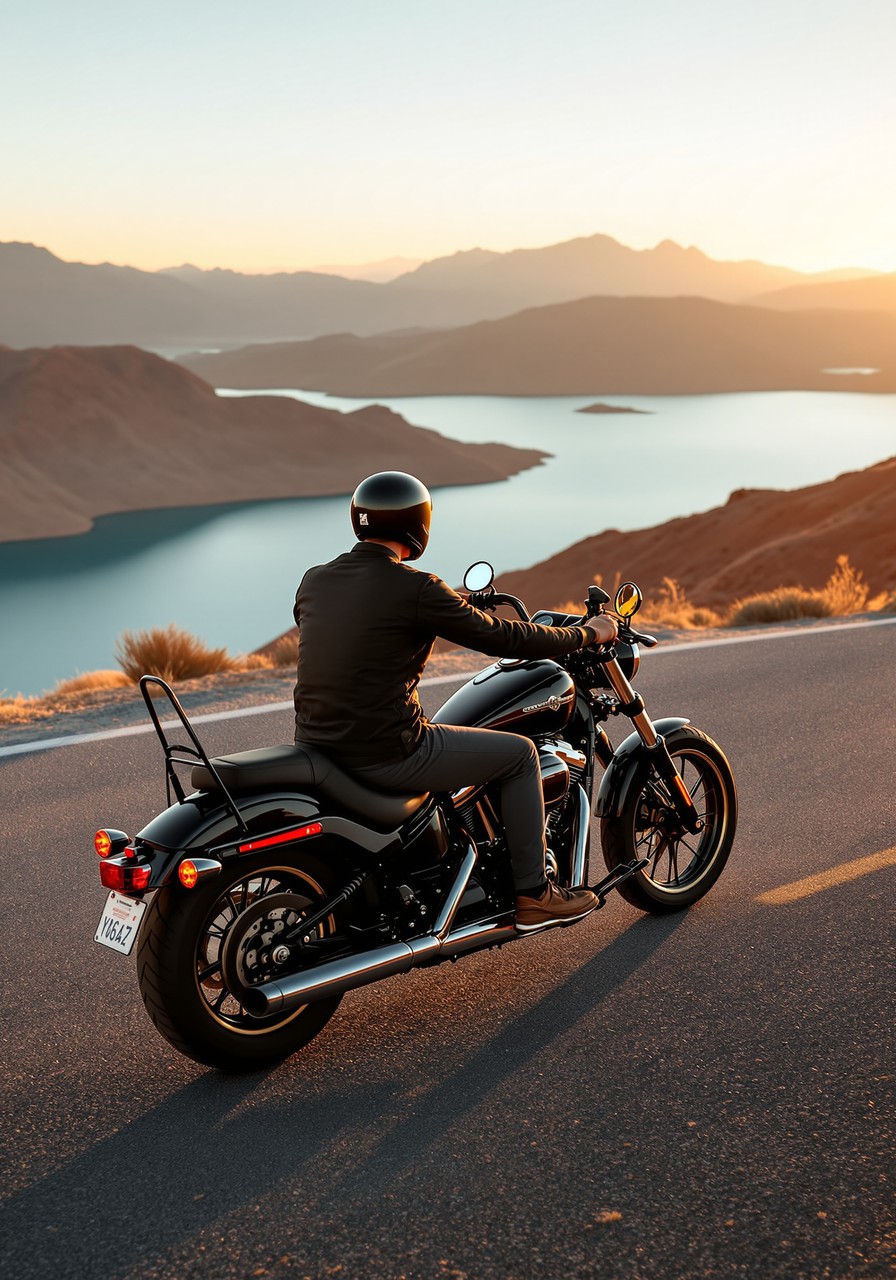
Northshore Road along Lake Mead is one of the smoothest sweeping rides in Southern Nevada. Cool morning air makes December a great time to run it. #RideNationNV #LakeMead #MotorcycleRoads
Gear & New Iron
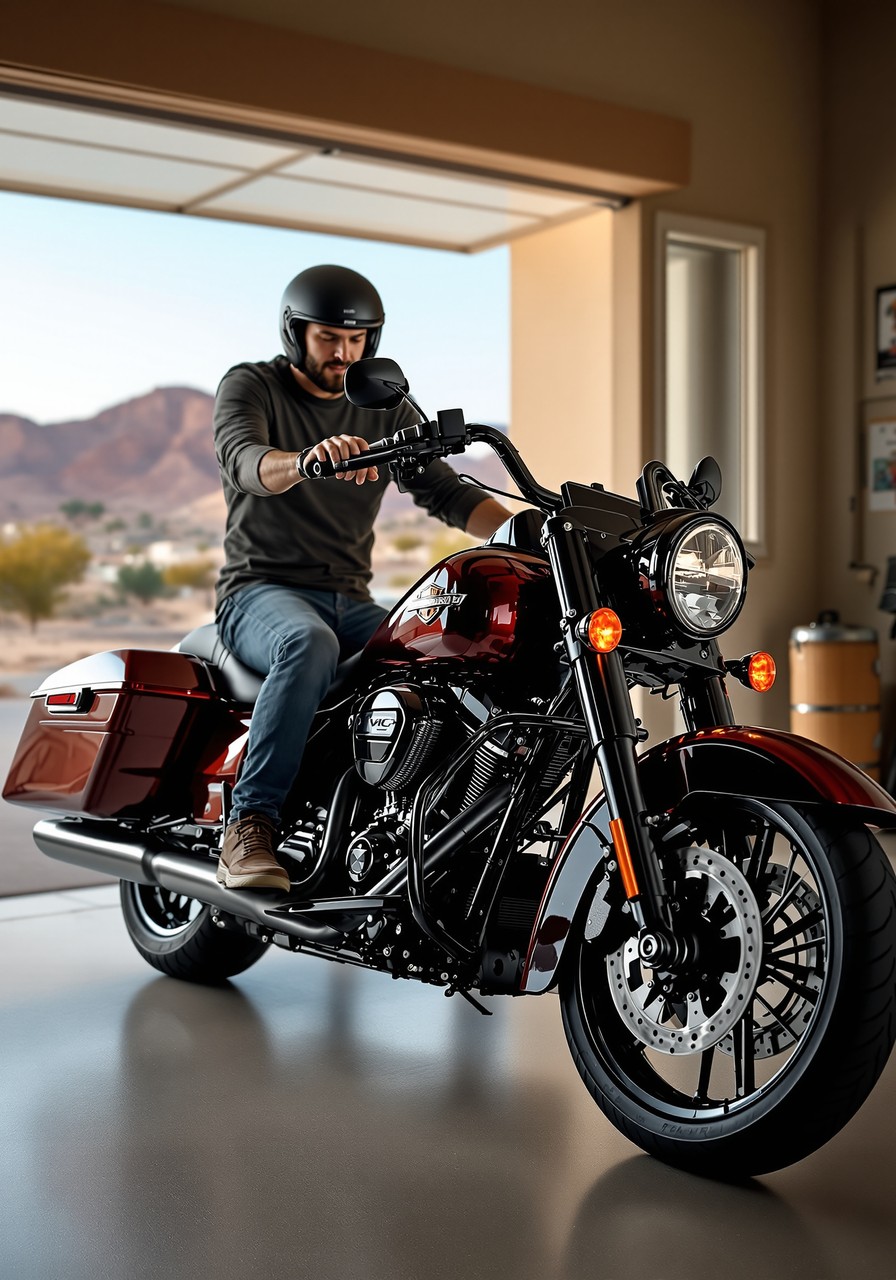
Full gear at 105 degrees sounds miserable until you slide. Mesh jackets, ventilated pants, and airflow keep you cool and still keep your skin on. #RideNationNV #ATGATT #DesertRiding
Safety & NV Law
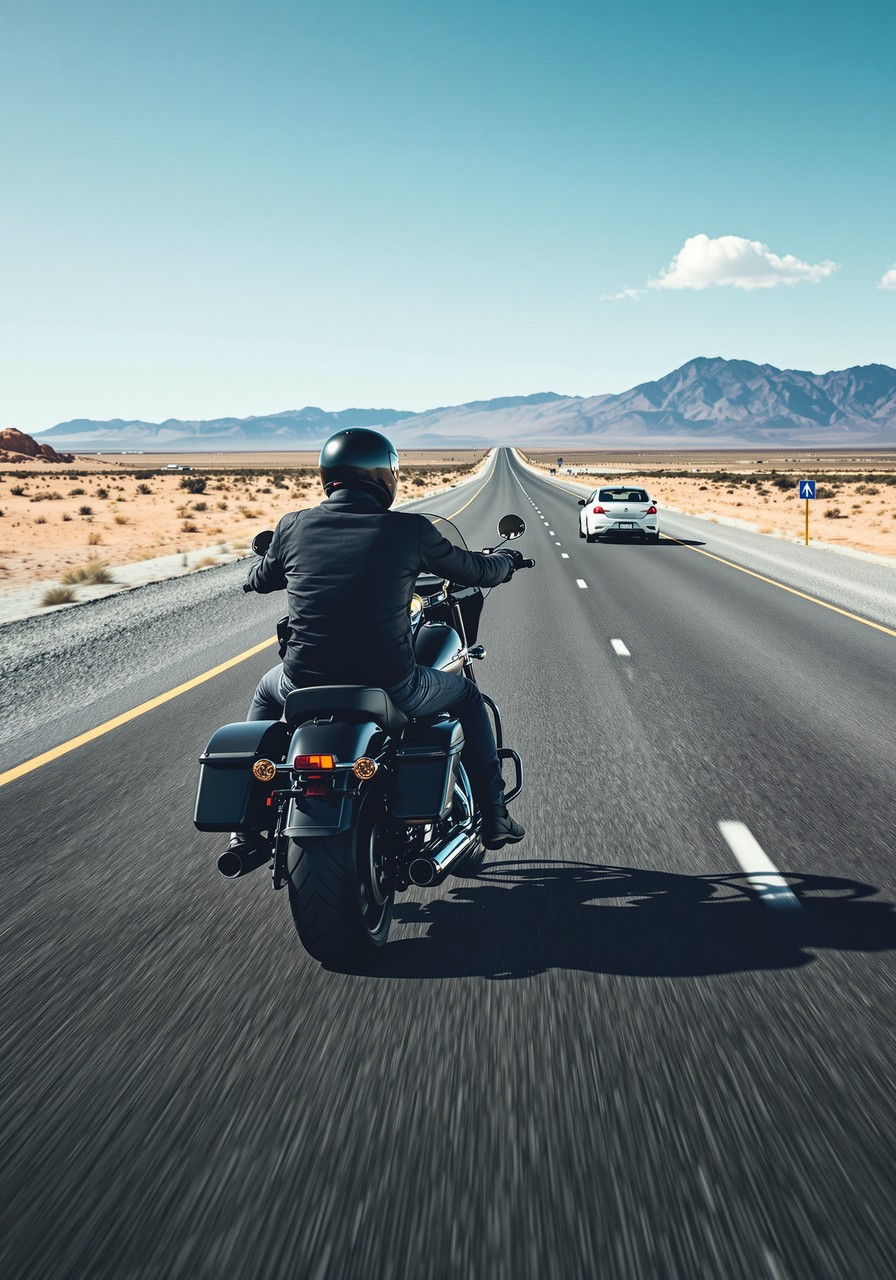
Nevada runs a universal helmet law: every rider and every passenger wears a DOT helmet, no exceptions. It is the law and it is the difference-maker in a crash. Hurt while gearing up right? Call Eric Blank Injury Attorneys at (702) 819-0865. #RideNationNV #MotorcycleSafety #ATGATT
Engagement
Favorite question of the week: what is the one road every Southern Nevada rider has to ride at least once? #RideNationNV #NevadaRiders #DesertRiding
Giveaway & Countdown
Free to enter, always. Talk to us about a motorcycle crash and you are in the running for $20K. (702) 819-0865. #RideNationNV #MotorcycleGiveaway #NevadaRiders
Local NV & Rides
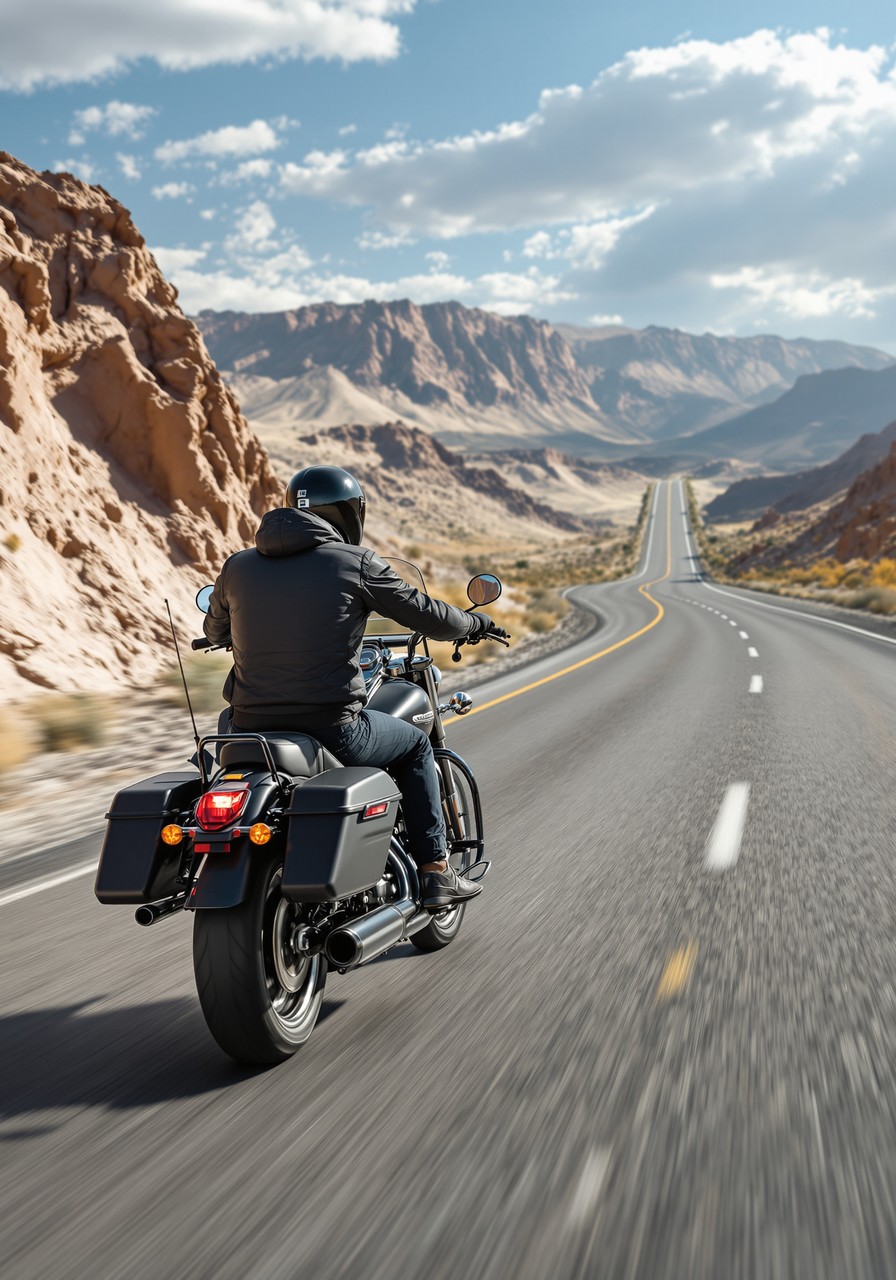
SR-160 to Pahrump over Mountain Springs is a climb worth taking. Watch for crosswinds cresting the summit and cooler temps up top. #RideNationNV #NevadaRiders #MotorcycleRoads
Gear & New Iron
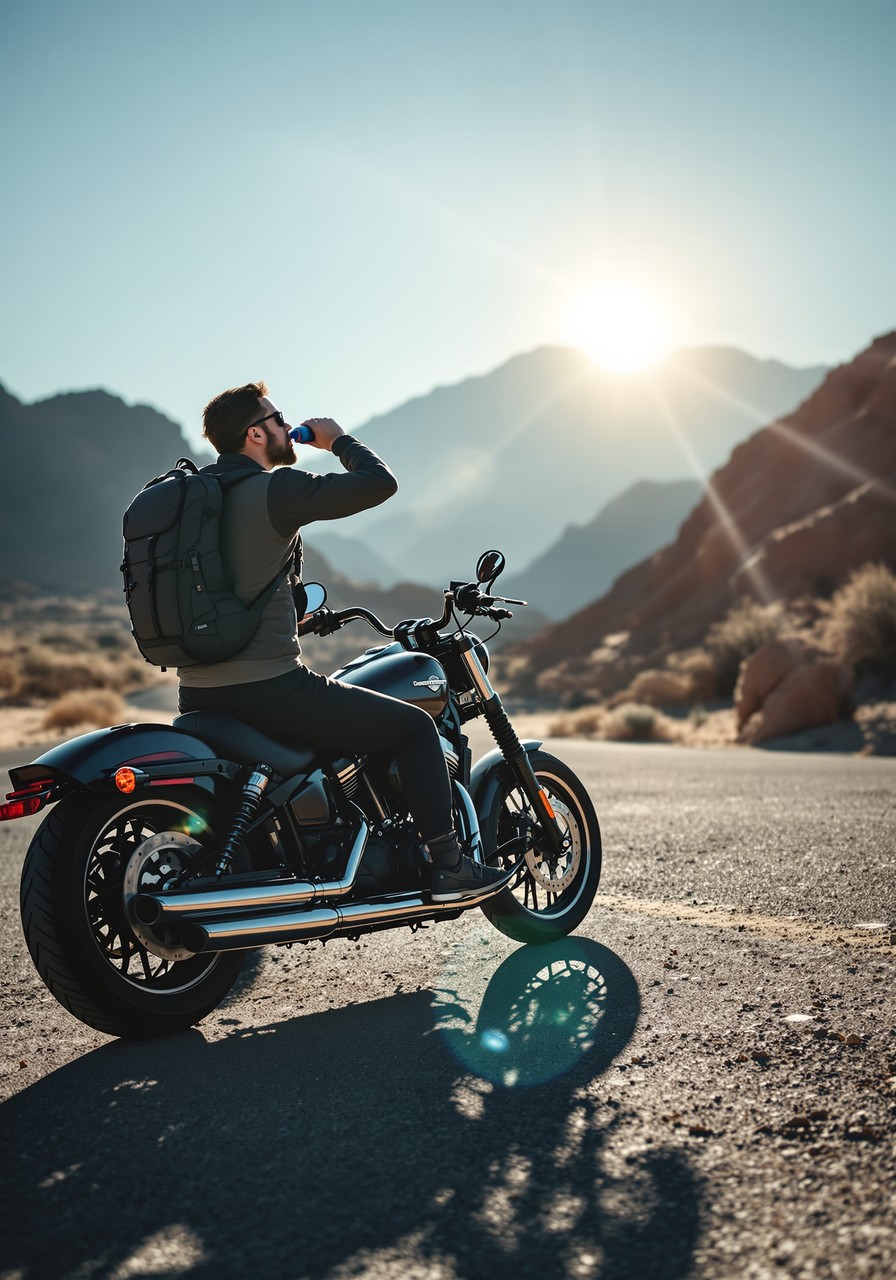
Look for CE-rated armor, not just padding. Shoulders, elbows, back, and hips should have real impact protection you can feel when you press it. #RideNationNV #GearUp #RiderTips
Safety & NV Law
Nevada's minimum liability is just 25/50/20, and plenty of drivers carry exactly that or less. One serious injury blows past those limits fast, which is why your UM/UIM matters. Questions on coverage after a crash? Call Eric Blank Injury Attorneys at (702) 819-0865. #RideNationNV #NevadaRiders #KnowYourRights
Engagement
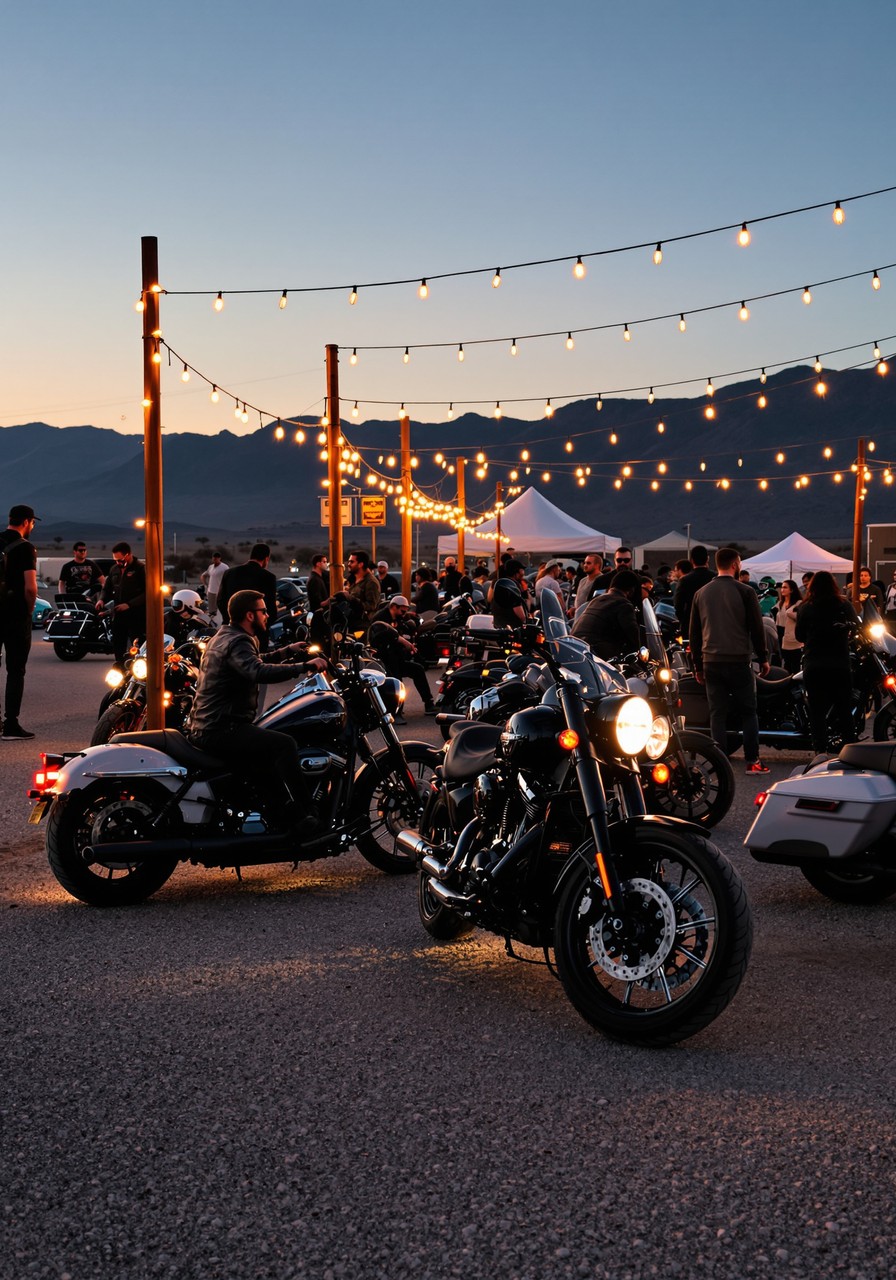
This or that for a cool January morning: heated grips or just throw on one more layer. #RideNationNV #VegasRiders #TwoWheels
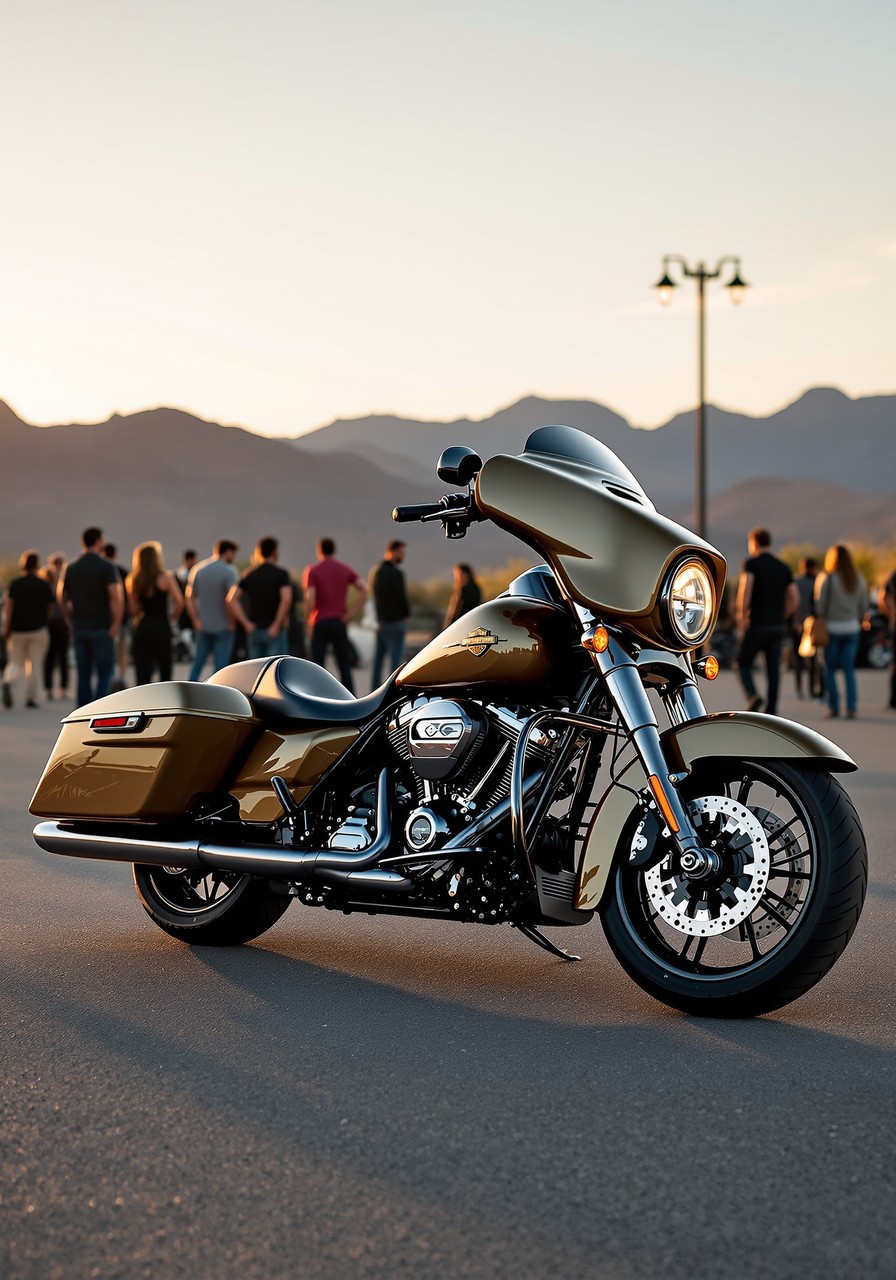
Giveaway & Countdown
The clock is ticking on the BikersWin giveaway. Lock in your free entry with a quick call to (702) 819-0865. #RideNationNV #20kGiveaway #VegasRiders
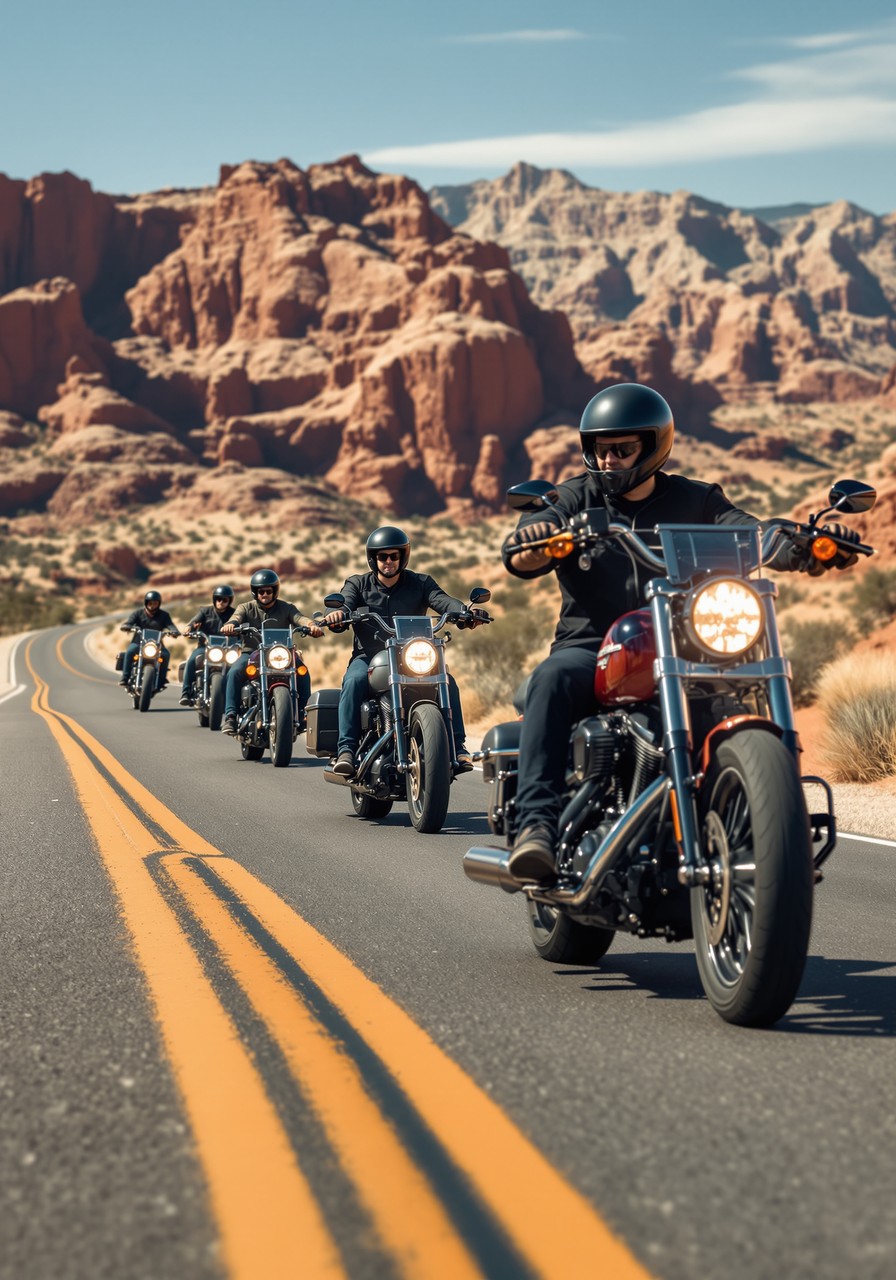
Local NV & Rides
Kyle Canyon on SR-157 is a favorite escape from valley heat, but in winter the shaded switchbacks hold black ice long after the sun is up. Slow down. #RideNationNV #MountCharleston
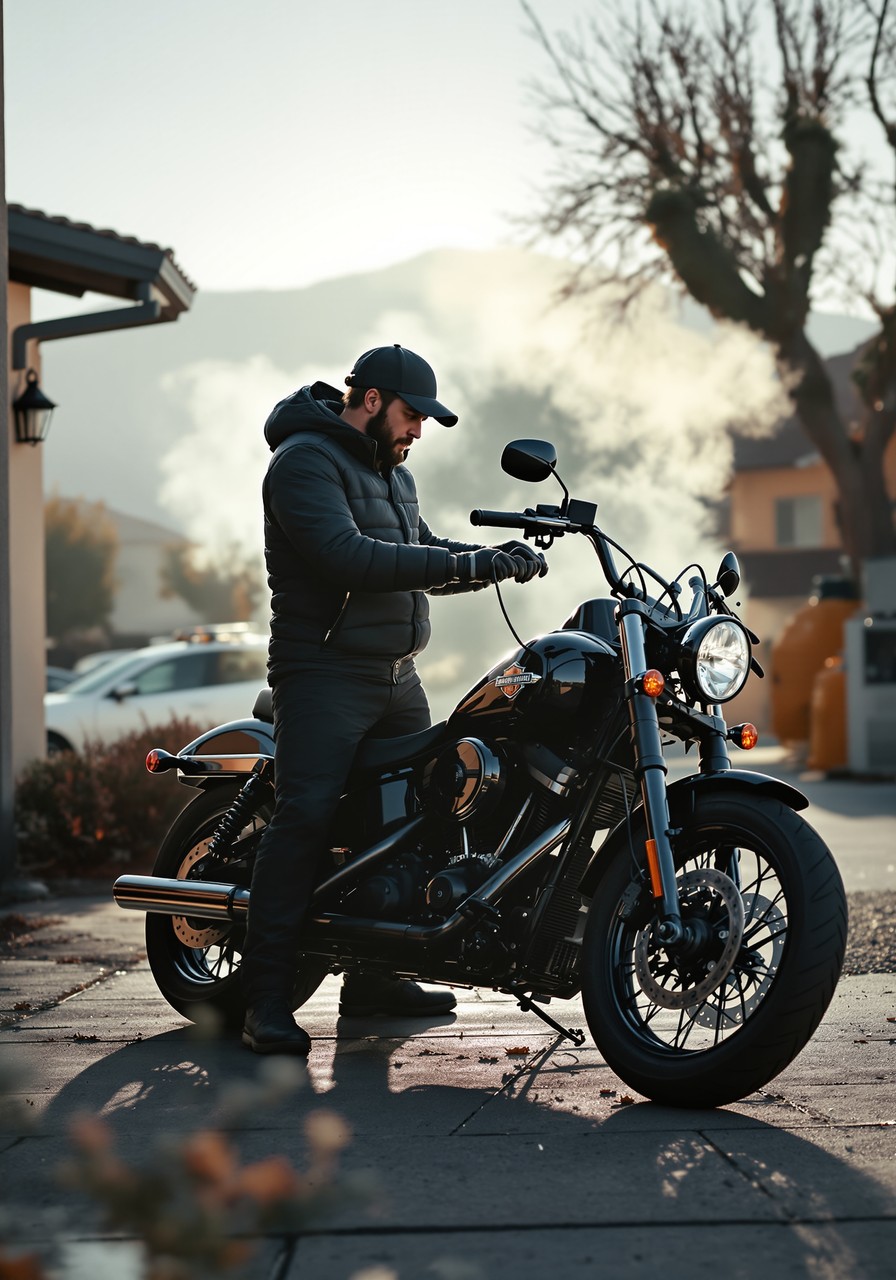
Gear & New Iron
A back protector is the piece most riders skip and regret. Add a CE-rated insert to your jacket before your next long run. #RideNationNV #ATGATT #GearUp
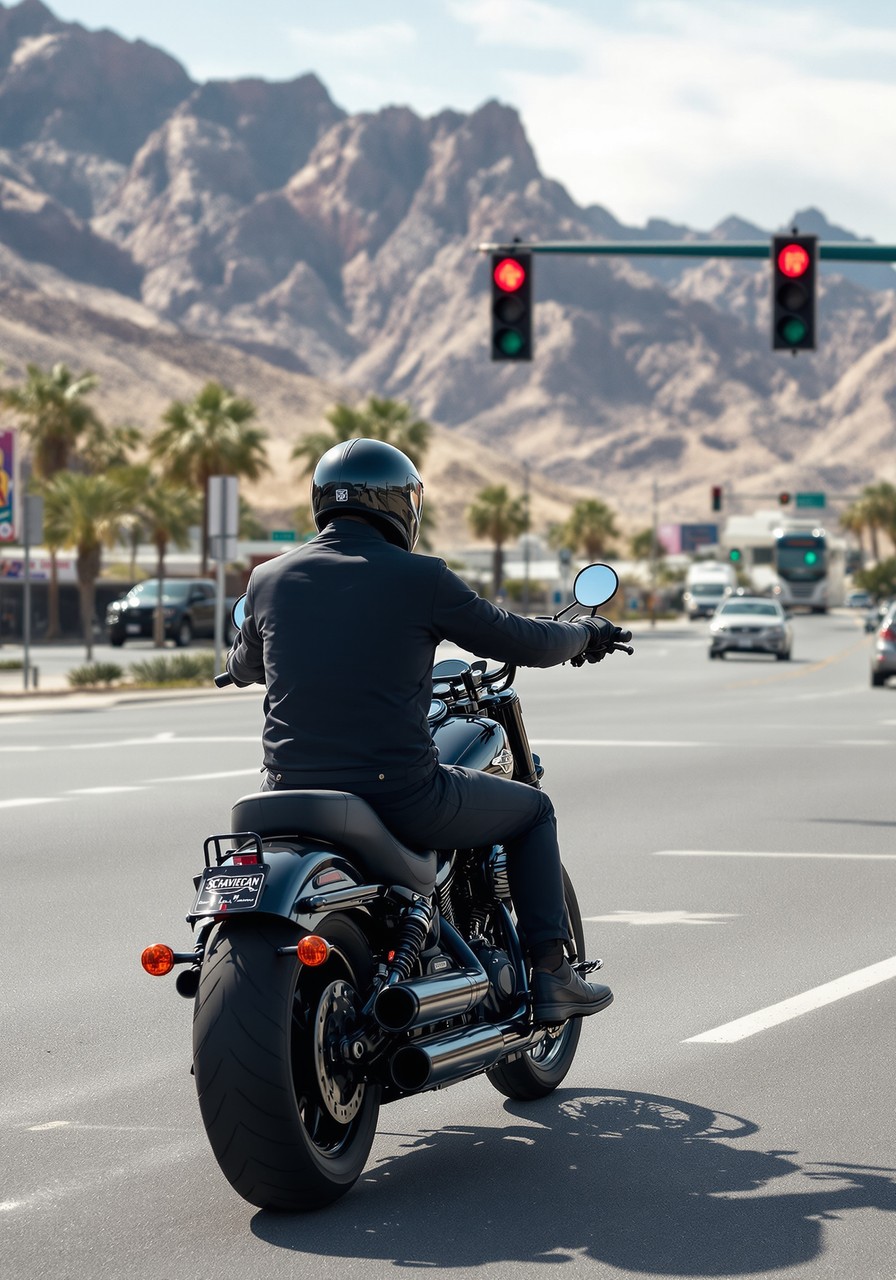
Safety & NV Law
Left-turning tourists on the Strip are the number one threat to Vegas riders, and most swear they never saw you. Cover your brakes and ride like you are invisible. If one turns into you, call Eric Blank Injury Attorneys at (702) 819-0865. #RideNationNV #MotorcycleSafety #VegasRiders
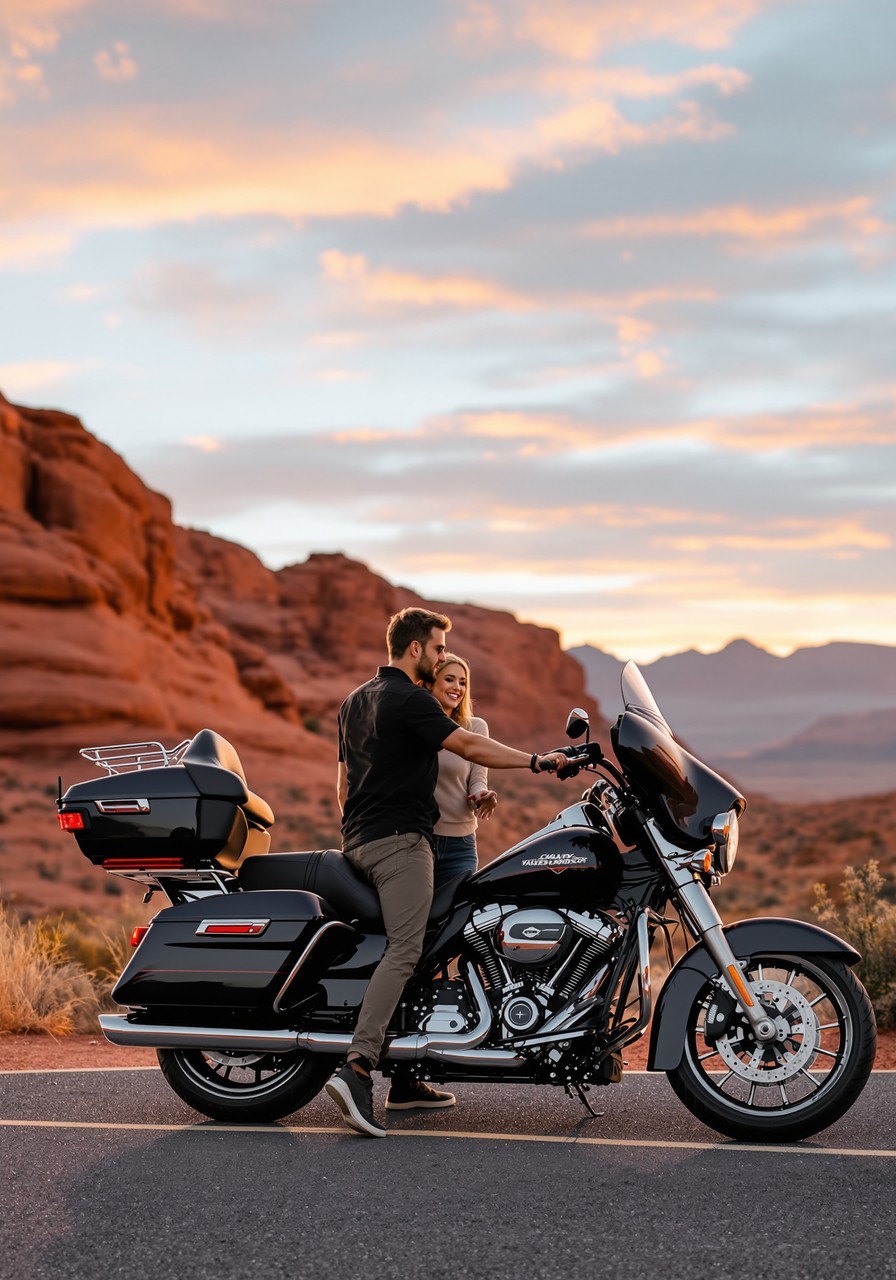
Engagement
Real talk: what got you into two wheels in the first place? Tell us the story. #RideNationNV #NevadaRiders #RideOrDie
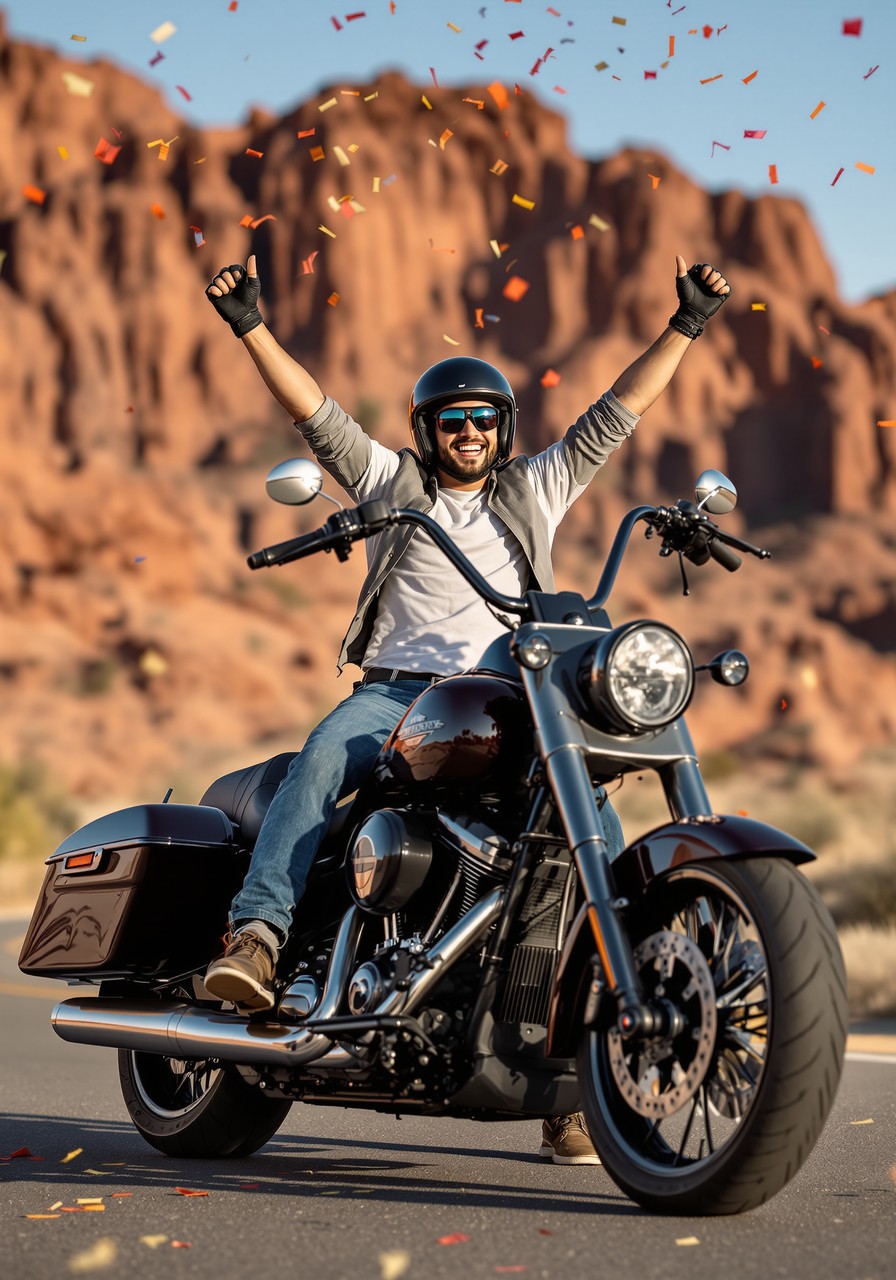
Giveaway & Countdown
Been in a wreck this year? A free review with Eric Blank Injury Attorneys puts you in for $20,000. Call (702) 819-0865 today. #RideNationNV #BikersWin #DesertRiding
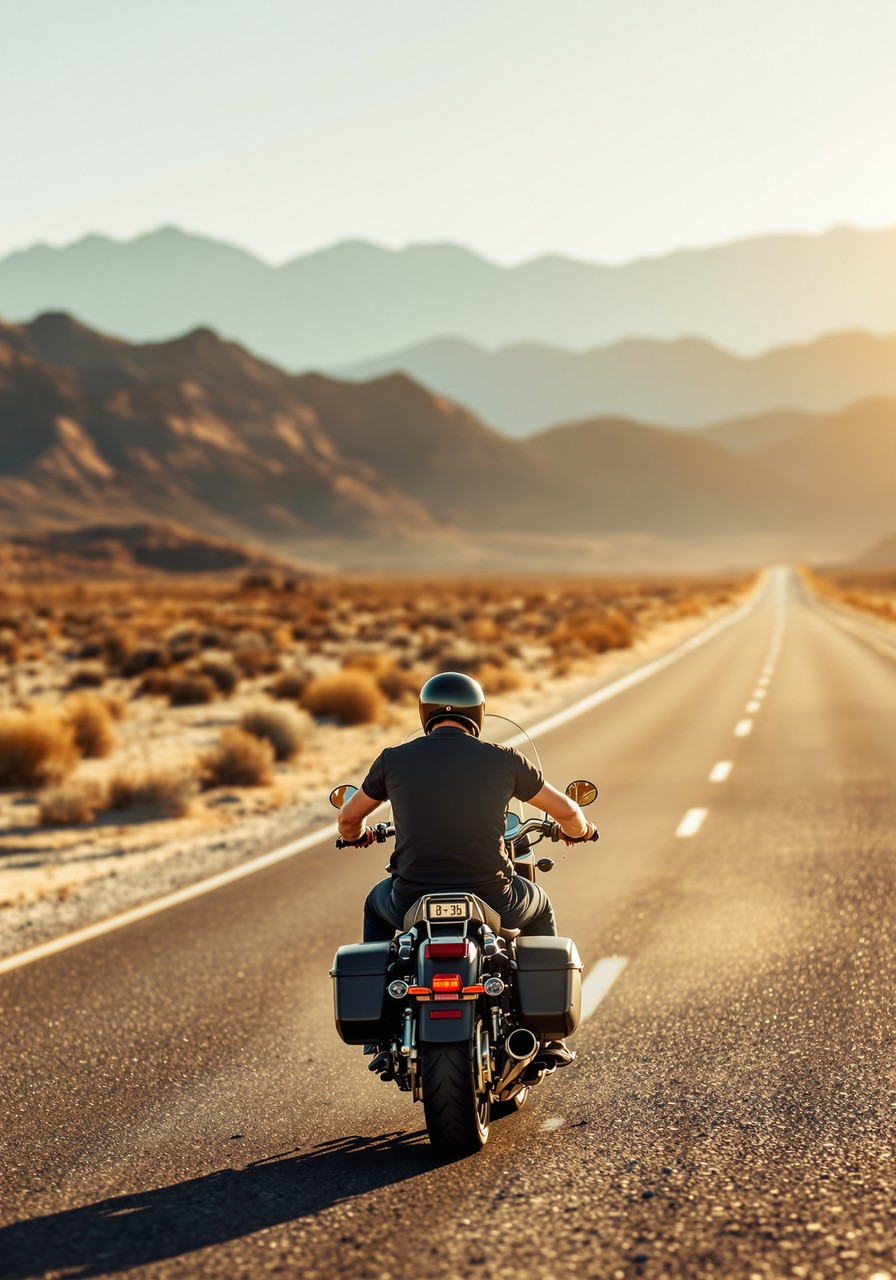
Local NV & Rides
Lee Canyon on SR-156 gets real snow. If you are chasing the twisties up there this time of year, check the road report first. #RideNationNV #MountCharleston #NevadaRiders
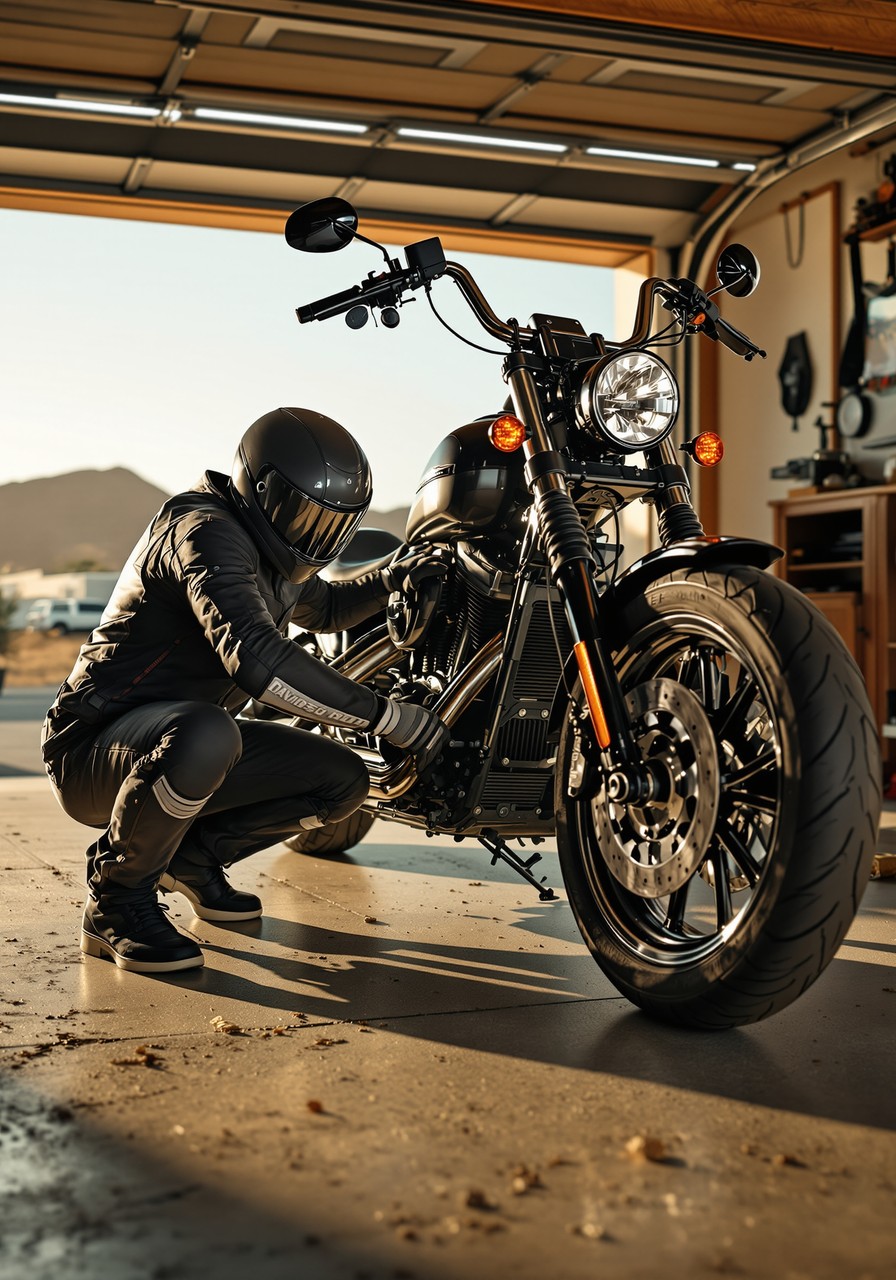
Gear & New Iron
Hydration pack on, and drink before you feel thirsty. In this heat you are already behind by the time your mouth is dry. #RideNationNV #DesertRiding #RiderTips
Safety & NV Law
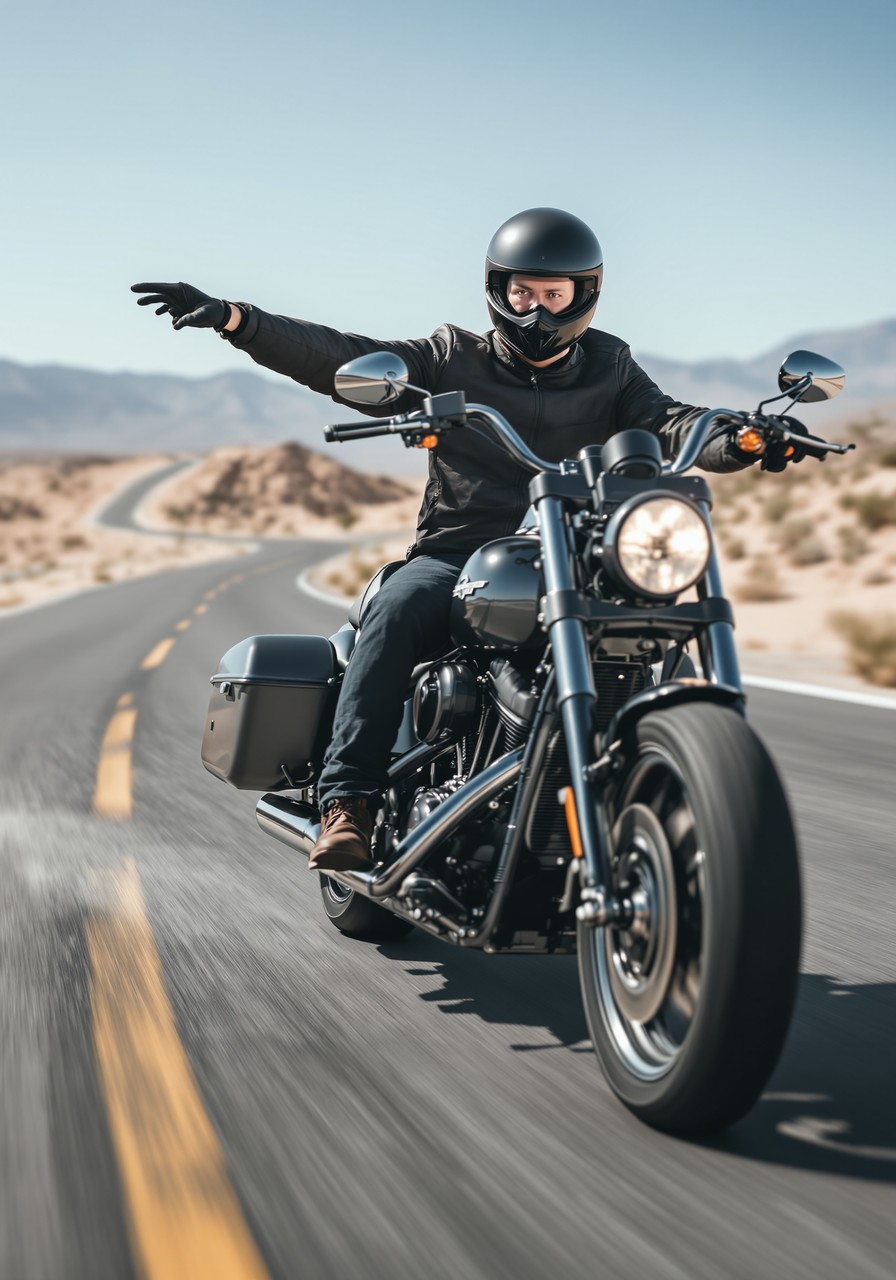
I never saw the motorcycle is the most common line at a crash scene, and it is not a defense. It is an admission the driver was not looking. If you heard it after your wreck, call Eric Blank Injury Attorneys at (702) 819-0865. #RideNationNV #RiderRights #NevadaRiders
Engagement
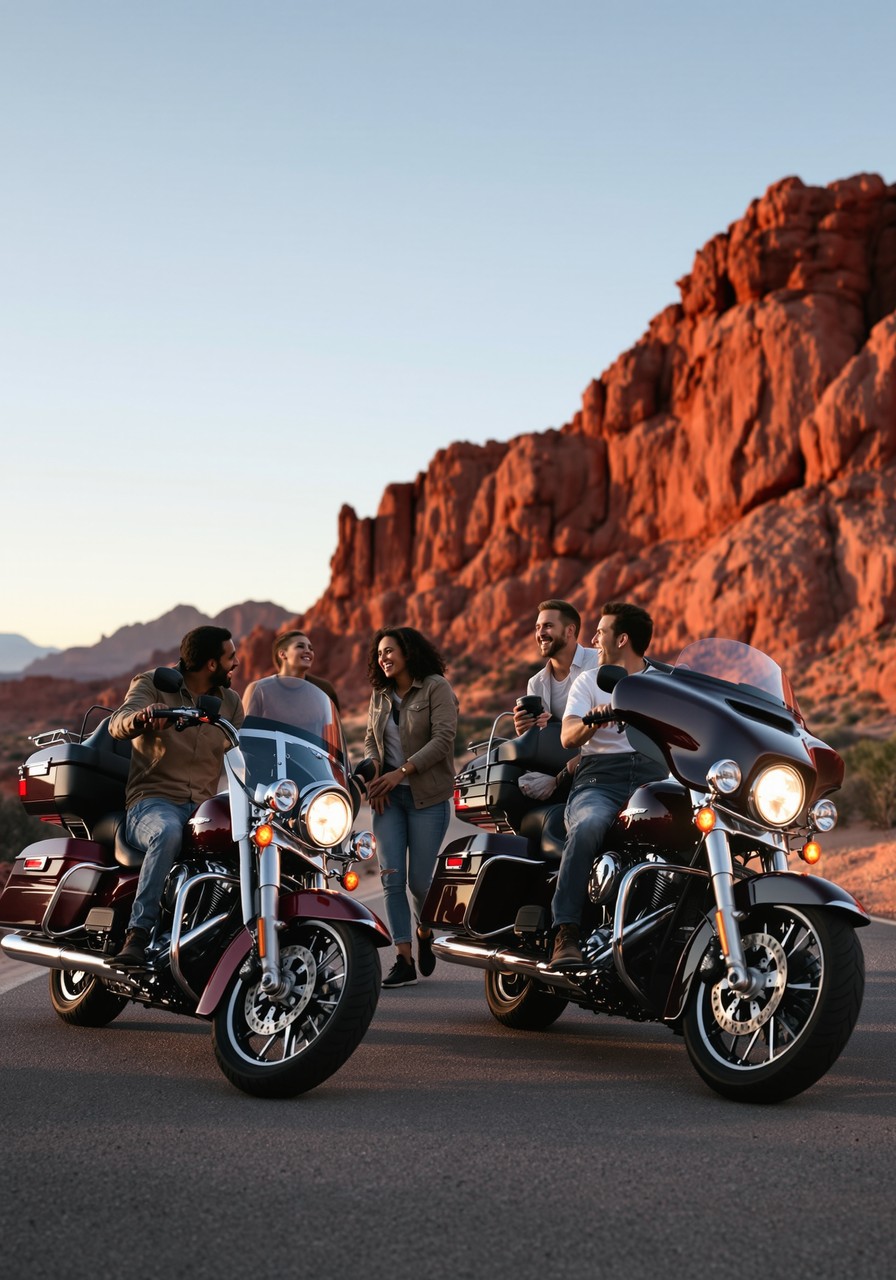
Tag the rider who is always down for a last-minute run, even when it is 50 degrees out. #RideNationNV #VegasRiders #DesertRiding
Giveaway & Countdown
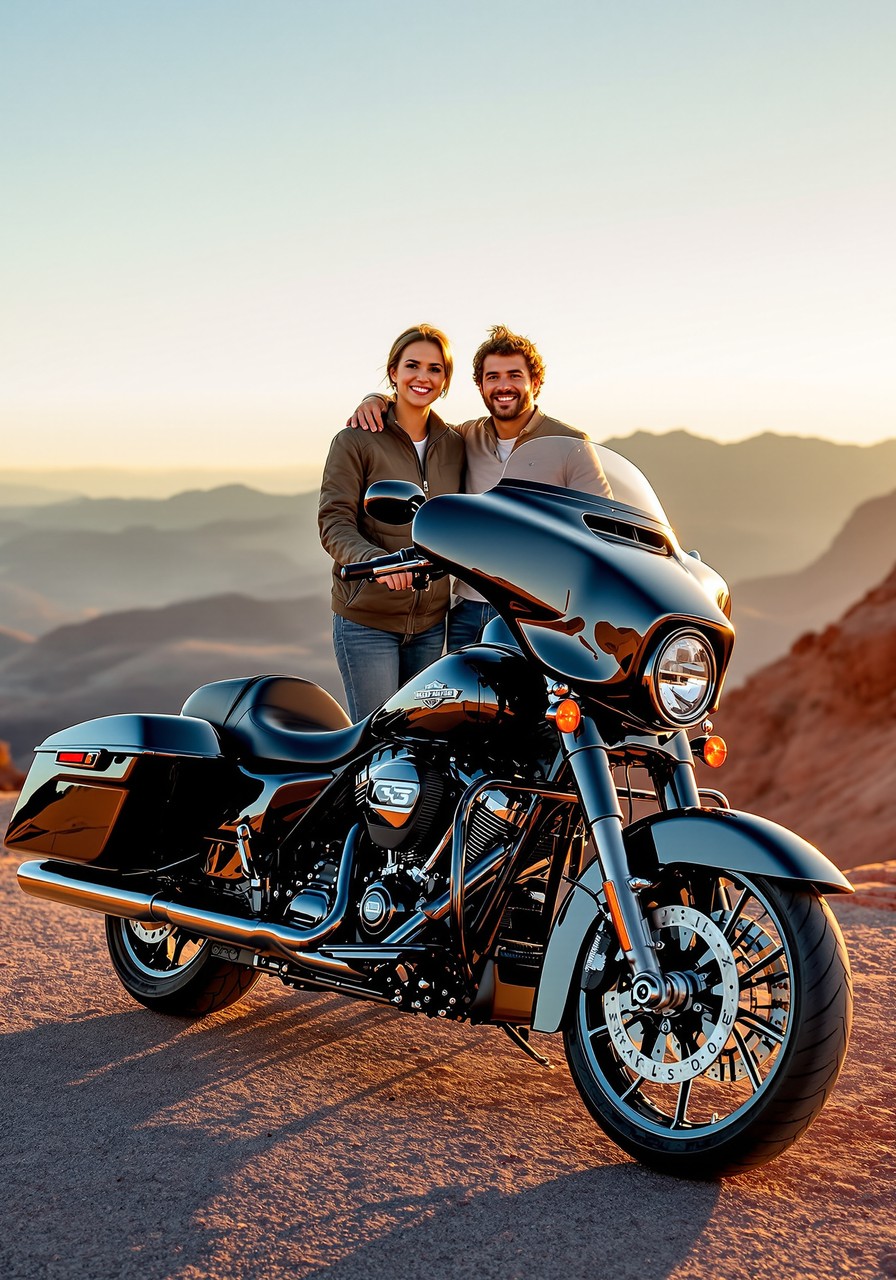
Entering is easier than you think, Vegas. One call to (702) 819-0865 and a chat about your crash does it. #RideNationNV #MotorcycleGiveaway #VegasRiders
Local NV & Rides
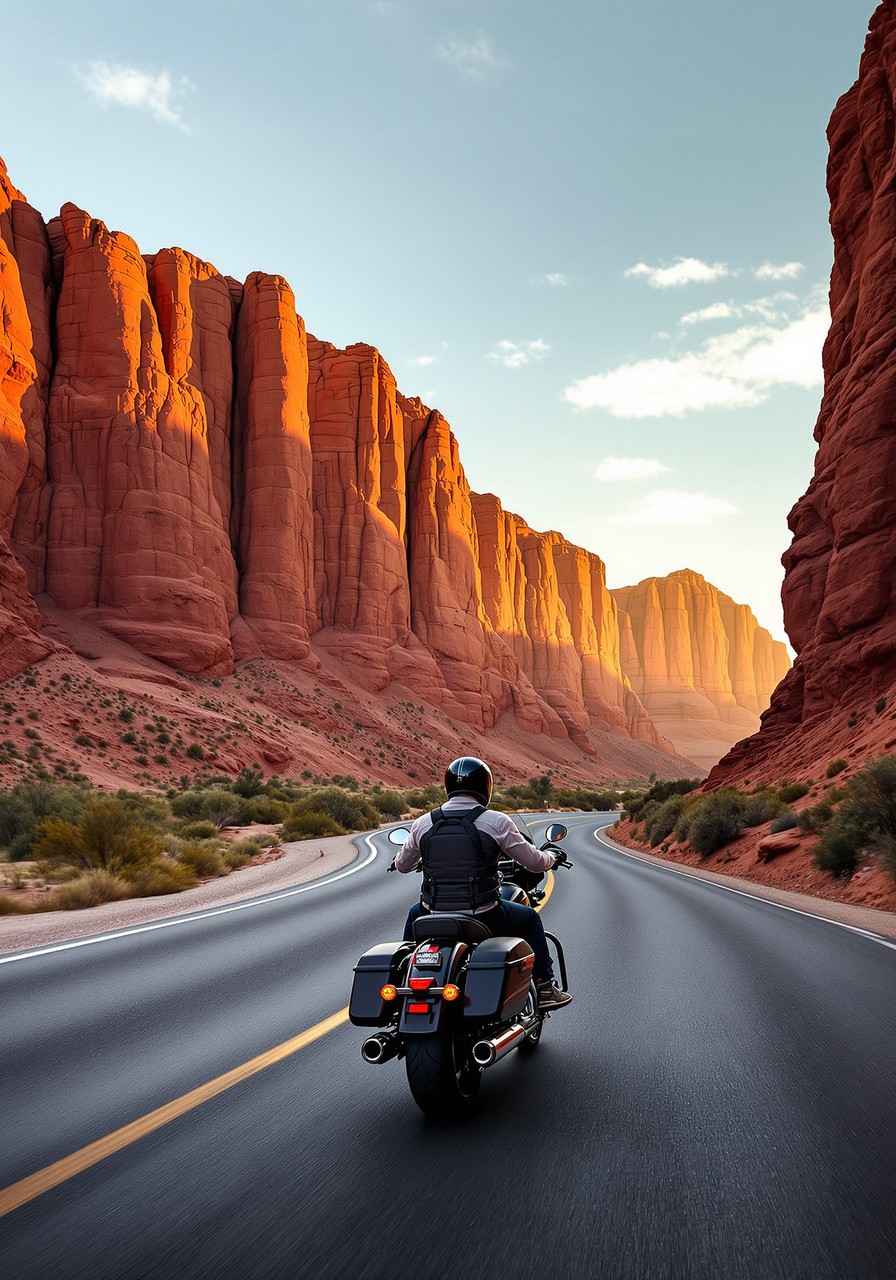
Hoover Dam makes a solid short run when you want something easy and iconic. Go early, the lot and the crowds fill fast. #RideNationNV #NevadaRiders #MotorcycleRoads
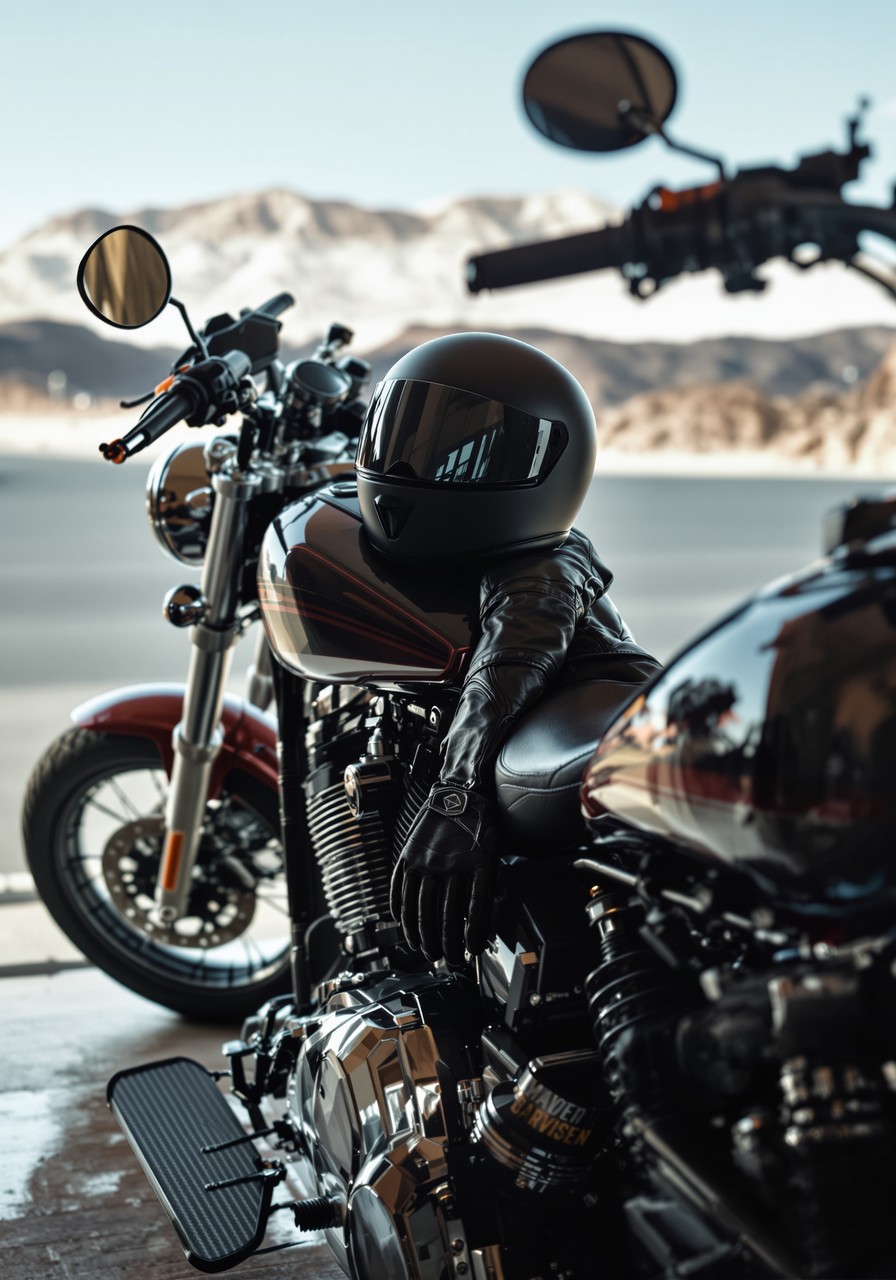
Gear & New Iron
Two liters of water for a short desert loop is a starting point, not overkill. Dehydration wrecks your focus and your reaction time. #RideNationNV #DesertRiding #GearUp
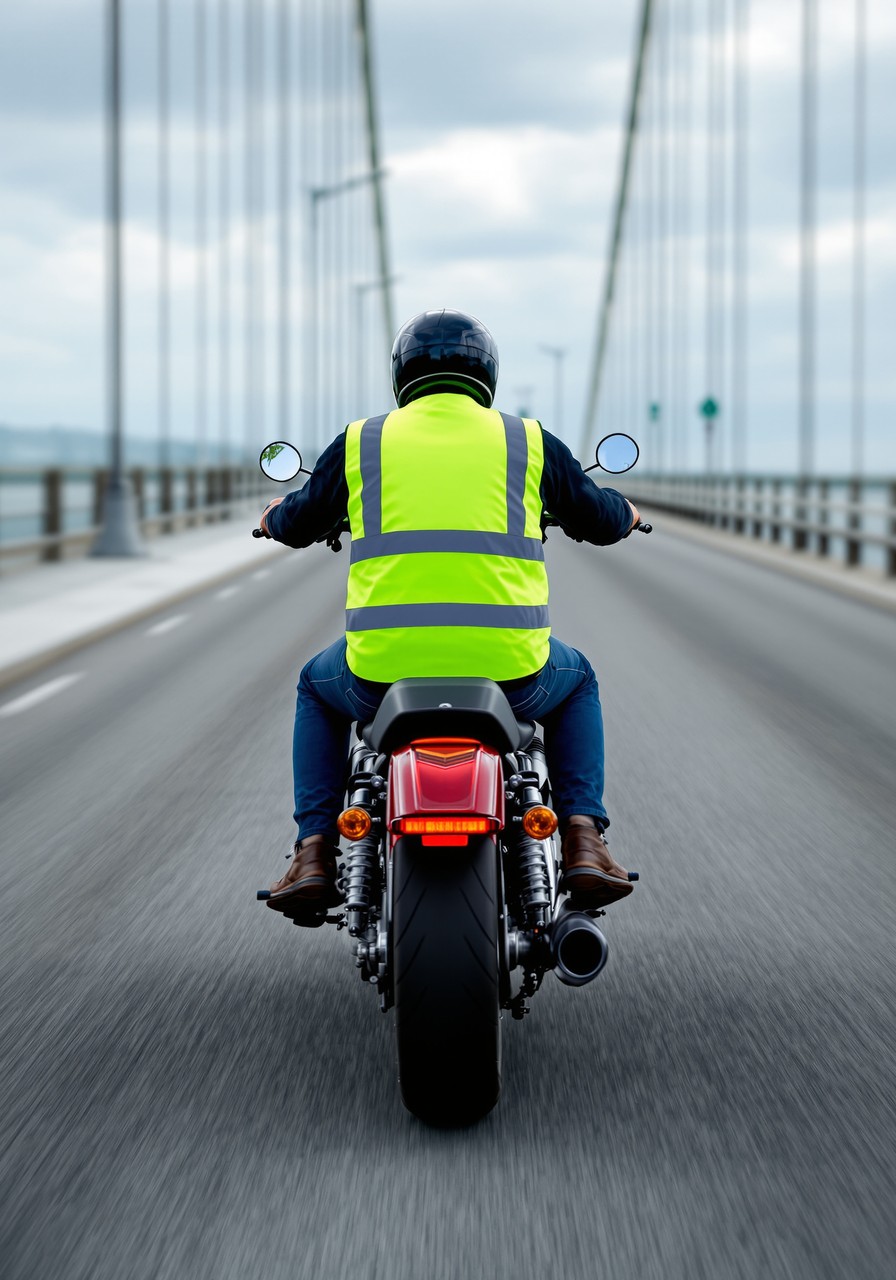
Safety & NV Law
Because Nevada has no PIP, your own medical bills do not just get paid automatically after a crash. Health insurance, MedPay, and the at-fault driver all come into play, and the order matters. Sort it out with Eric Blank Injury Attorneys at (702) 819-0865. #RideNationNV #KnowYourRights #NevadaRiders
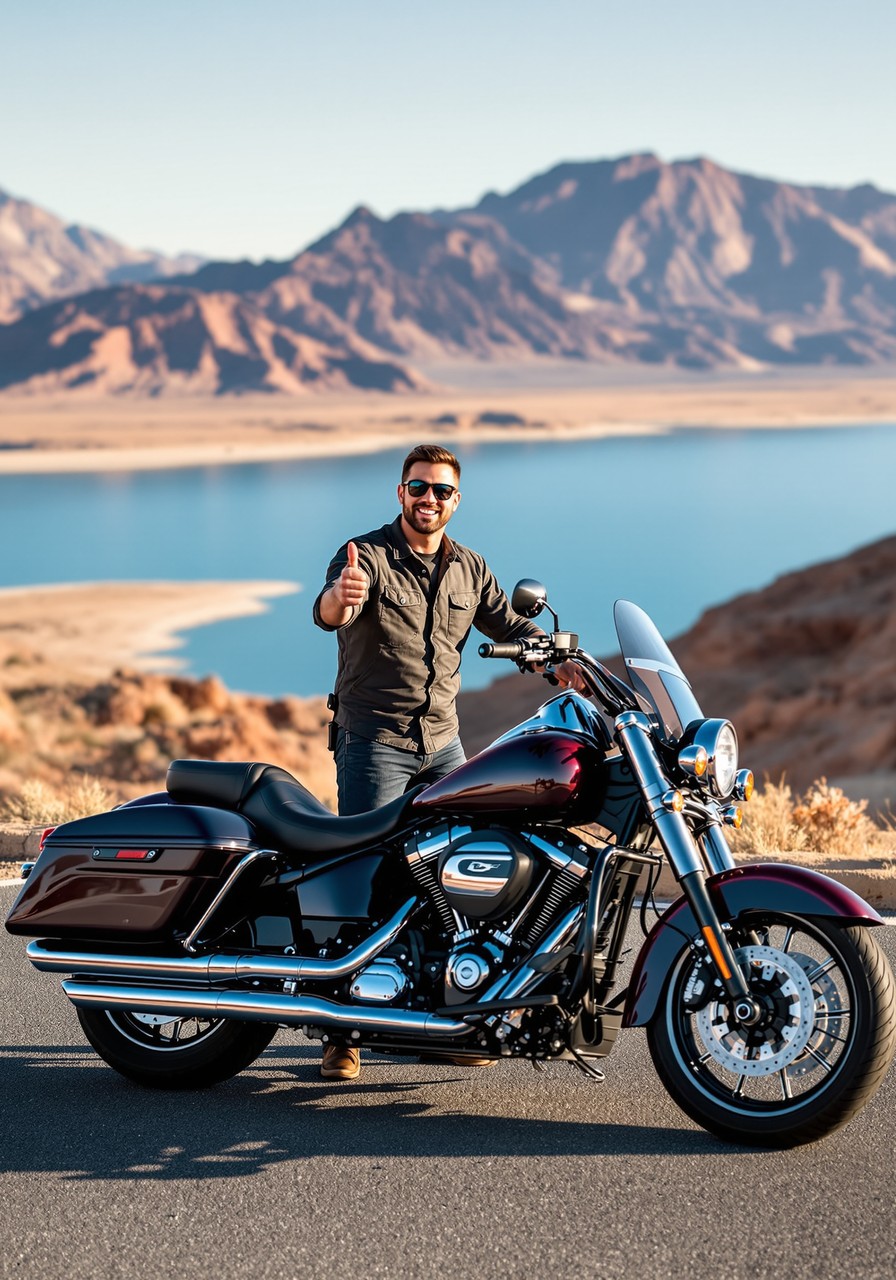
Engagement
Caption this: that first glimpse of snow up on Mount Charleston from the valley floor. #RideNationNV #MountCharleston #NevadaRiders
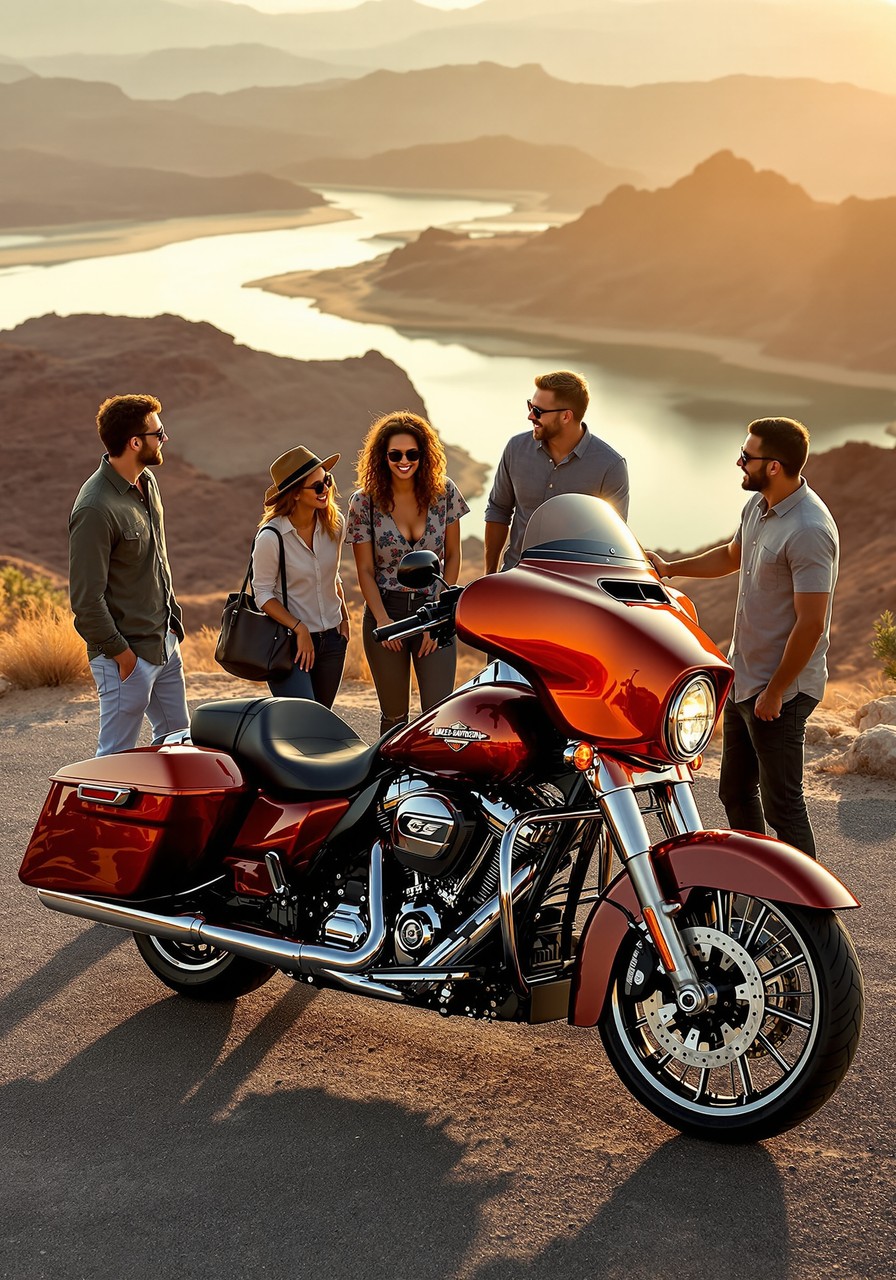
Giveaway & Countdown
Twenty thousand dollars. Zero entry fee. Just talk to us about your claim. Eric Blank Injury Attorneys, (702) 819-0865. #RideNationNV #20kGiveaway #NevadaRiders
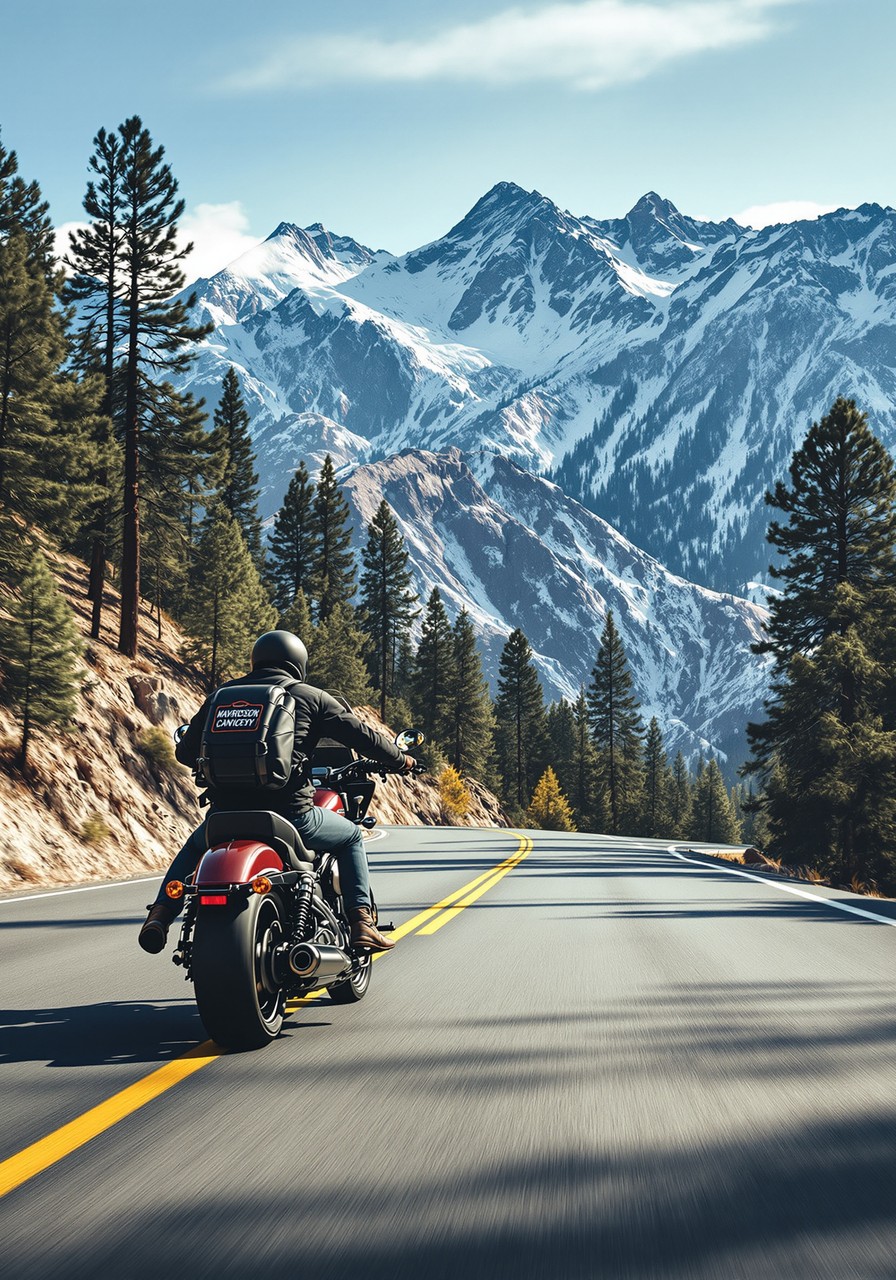
Local NV & Rides
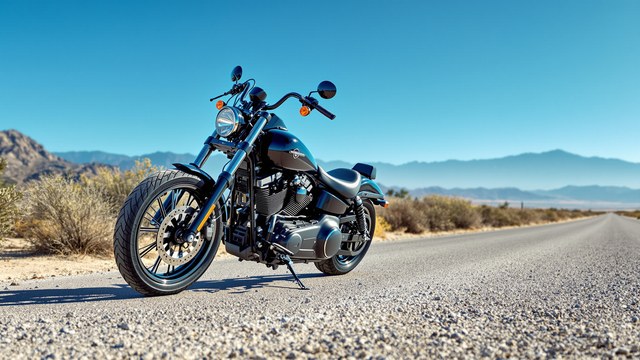
US-95 heading out of town gets gusty in the open desert. Loosen your grip, weight your pegs, and let the bike move under you in the crosswind. #RideNationNV #DesertRiding #NevadaRiders
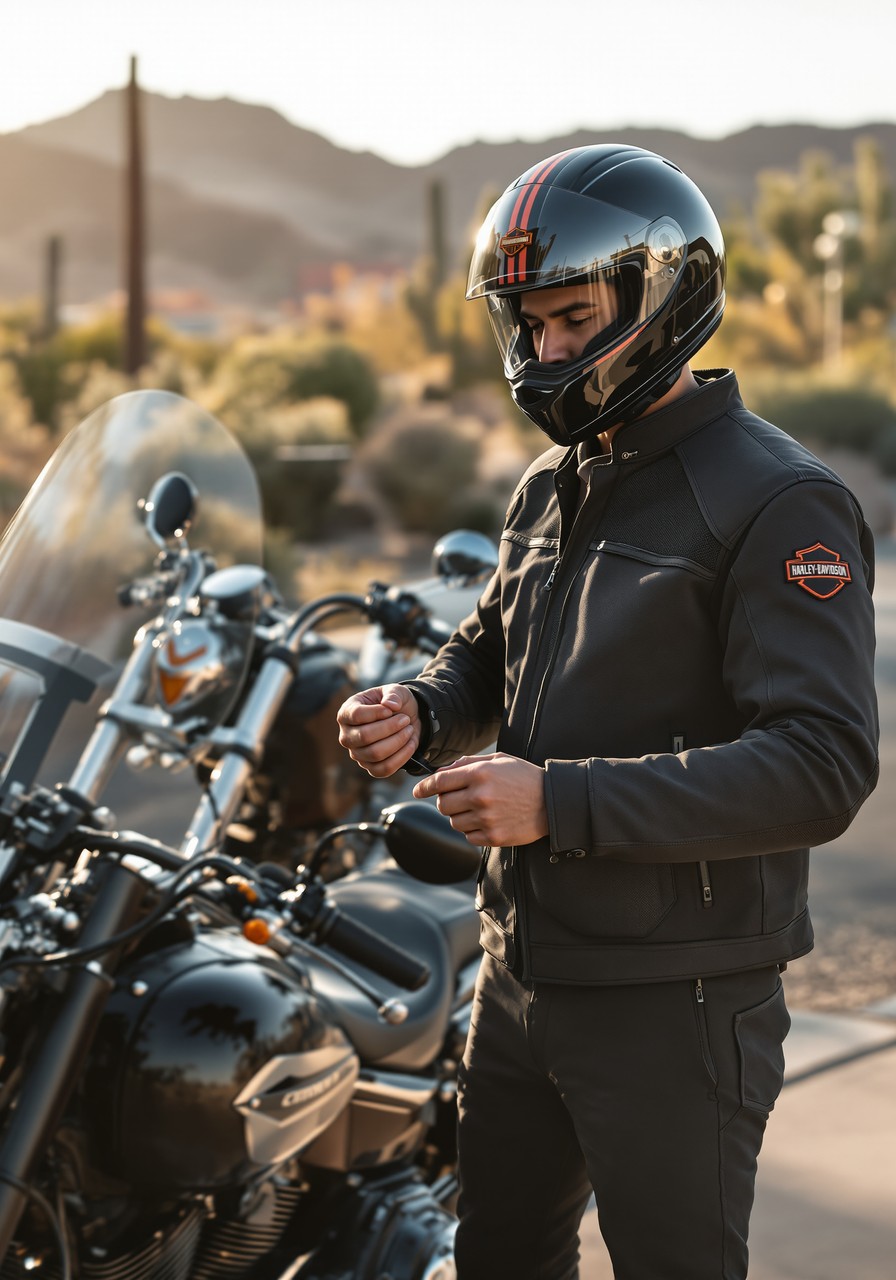
Gear & New Iron
Desert glare is no joke on the 95. Run a tinted or photochromic visor so you are not squinting into the sun at 70. #RideNationNV #GearUp #DesertRiding
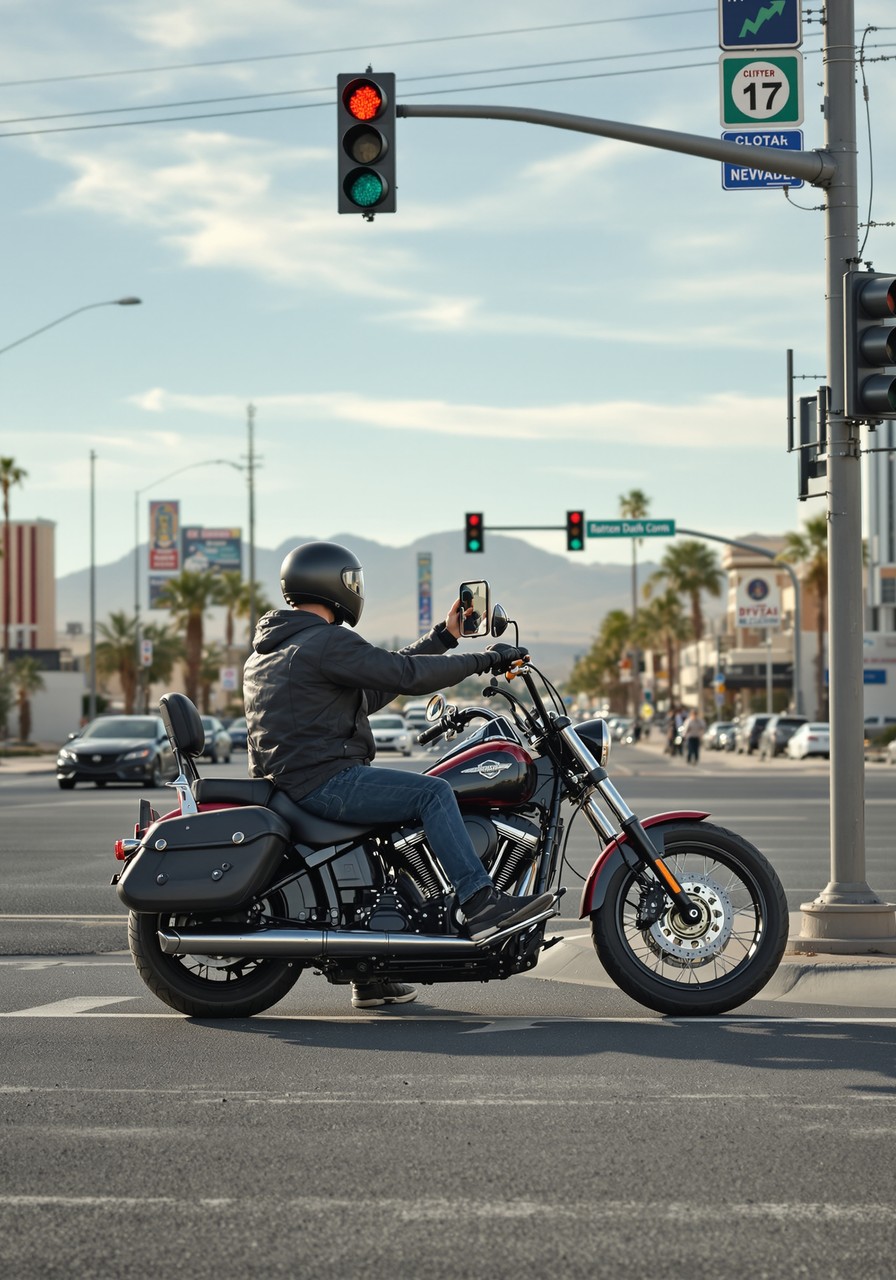
Safety & NV Law
Cameras win motorcycle cases. Your helmet cam, a nearby business, a doorbell, or a dash cam can settle the he-said fight in seconds. Grab the footage before it loops over, then call Eric Blank Injury Attorneys at (702) 819-0865. #RideNationNV #MotorcycleSafety #RiderRights
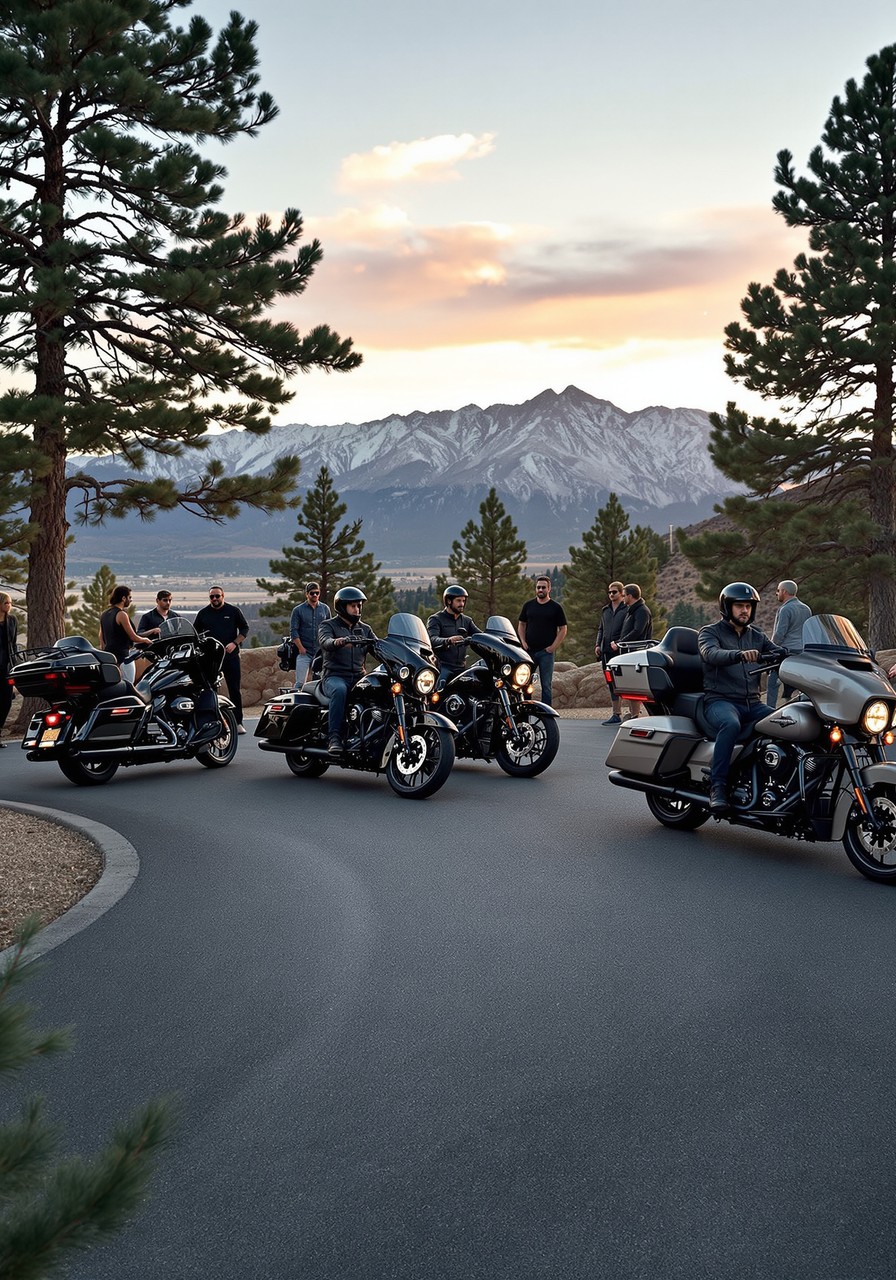
Engagement
Poll: which are you? Early morning coffee ride or a slow sunset cruise. #RideNationNV #VegasRiders #TwoWheels
Giveaway & Countdown
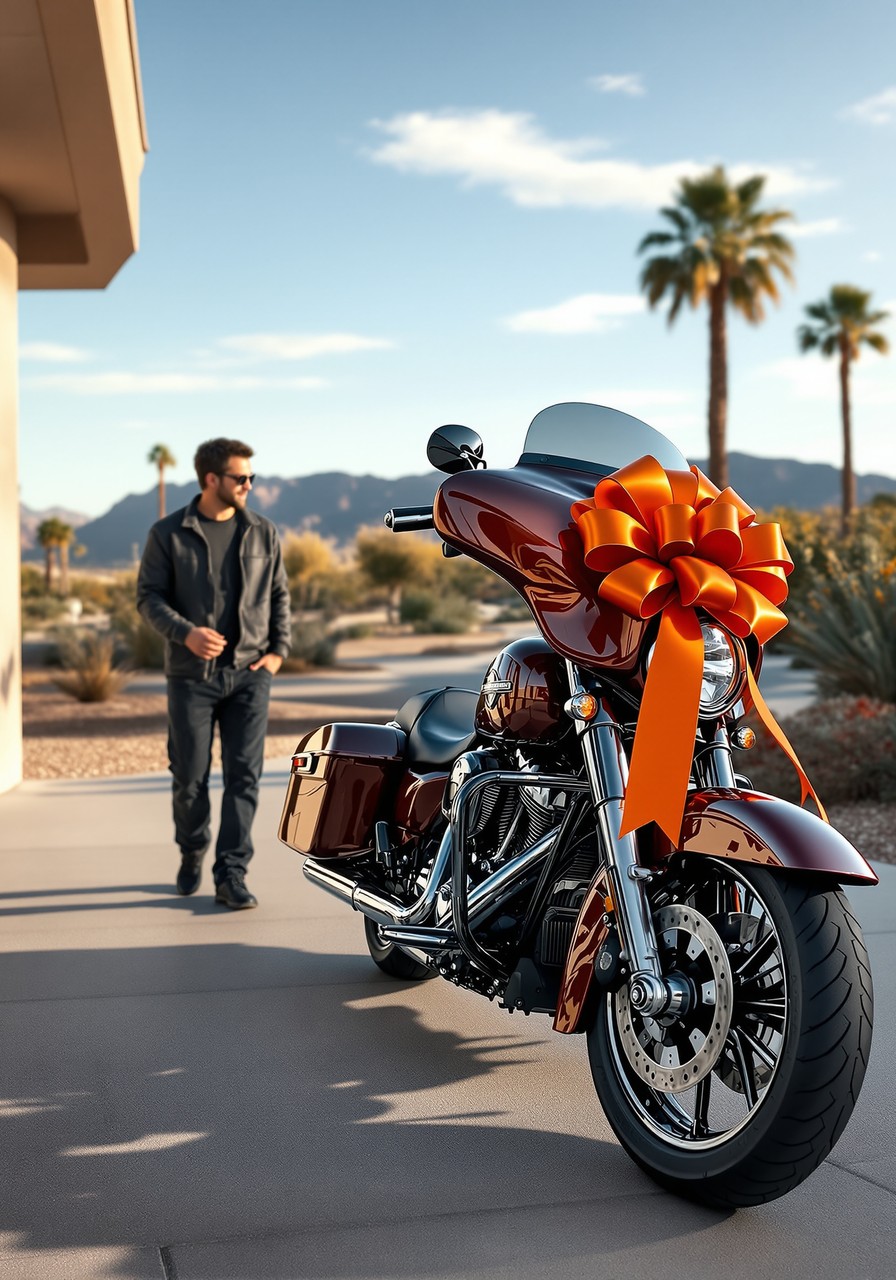
Not sure if your crash qualifies you? Find out free. Call (702) 819-0865 and we will explain the BikersWin entry. #RideNationNV #BikersWin #VegasRiders
Local NV & Rides
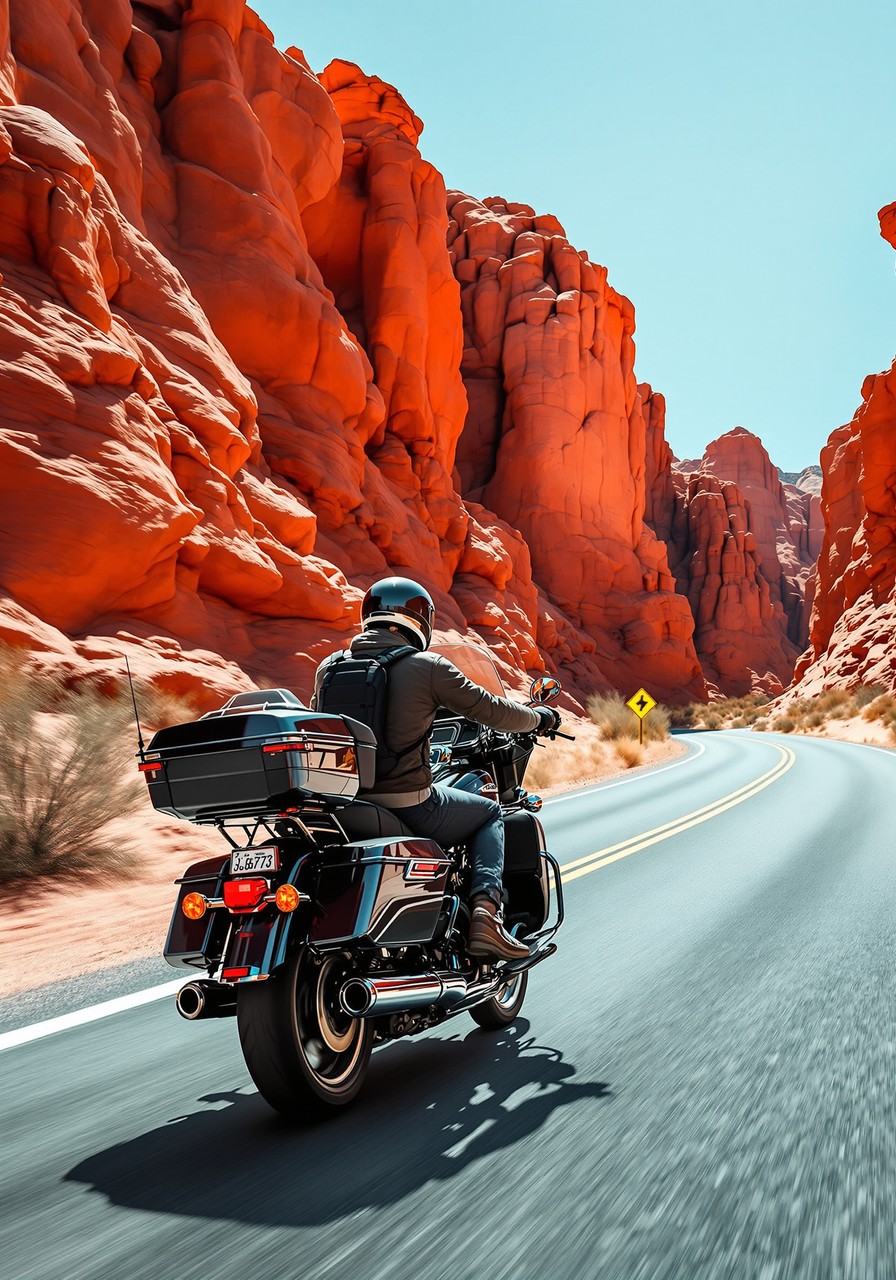
I-15 crosswinds will shove you a lane over if you are not ready. Keep your speed sensible and your eyes on the dust kicking up ahead. #RideNationNV #DesertRiding #VegasRiders
Gear & New Iron
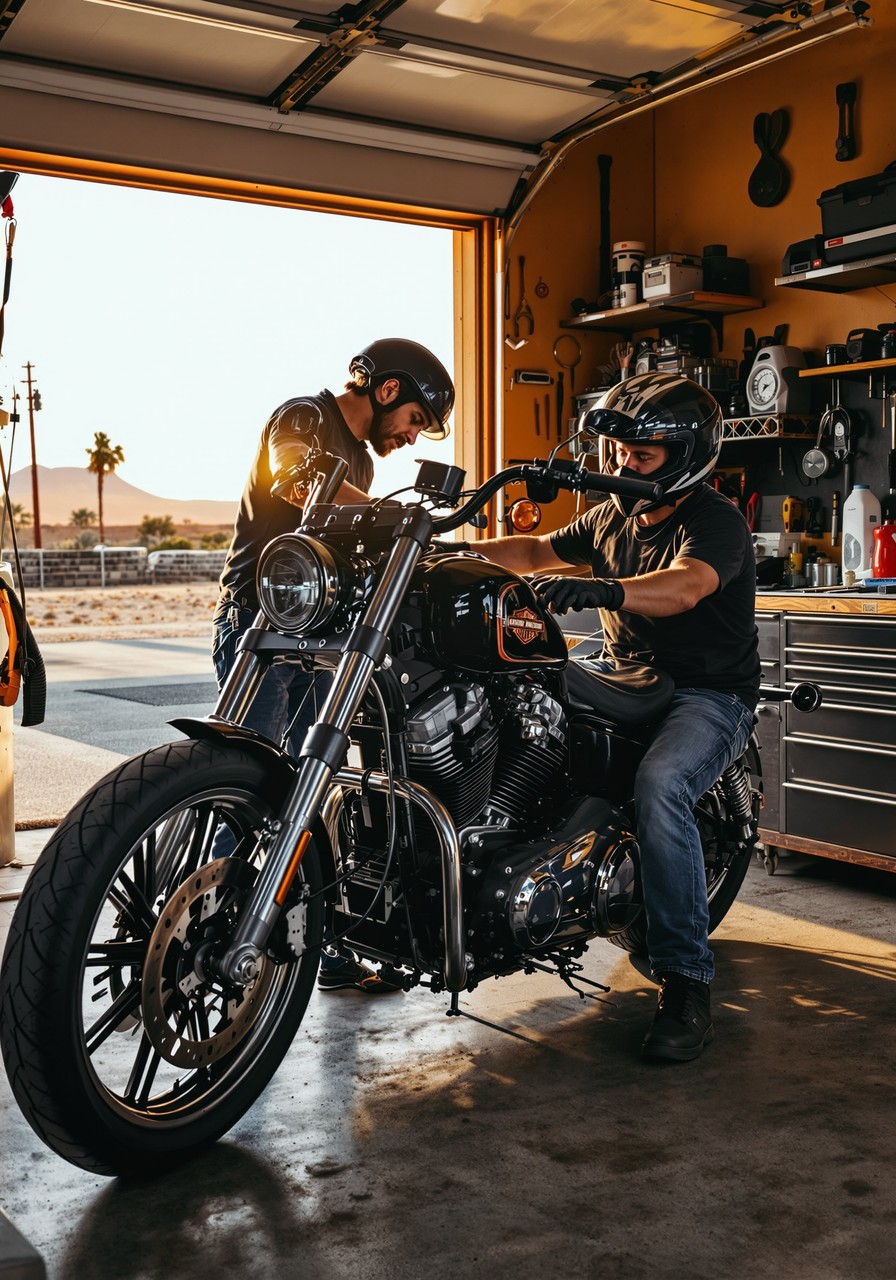
Sunscreen on your neck and the back of your hands, every ride. The desert sun cooks the spots your gear leaves open. #RideNationNV #RiderTips #DesertRiding
Safety & NV Law
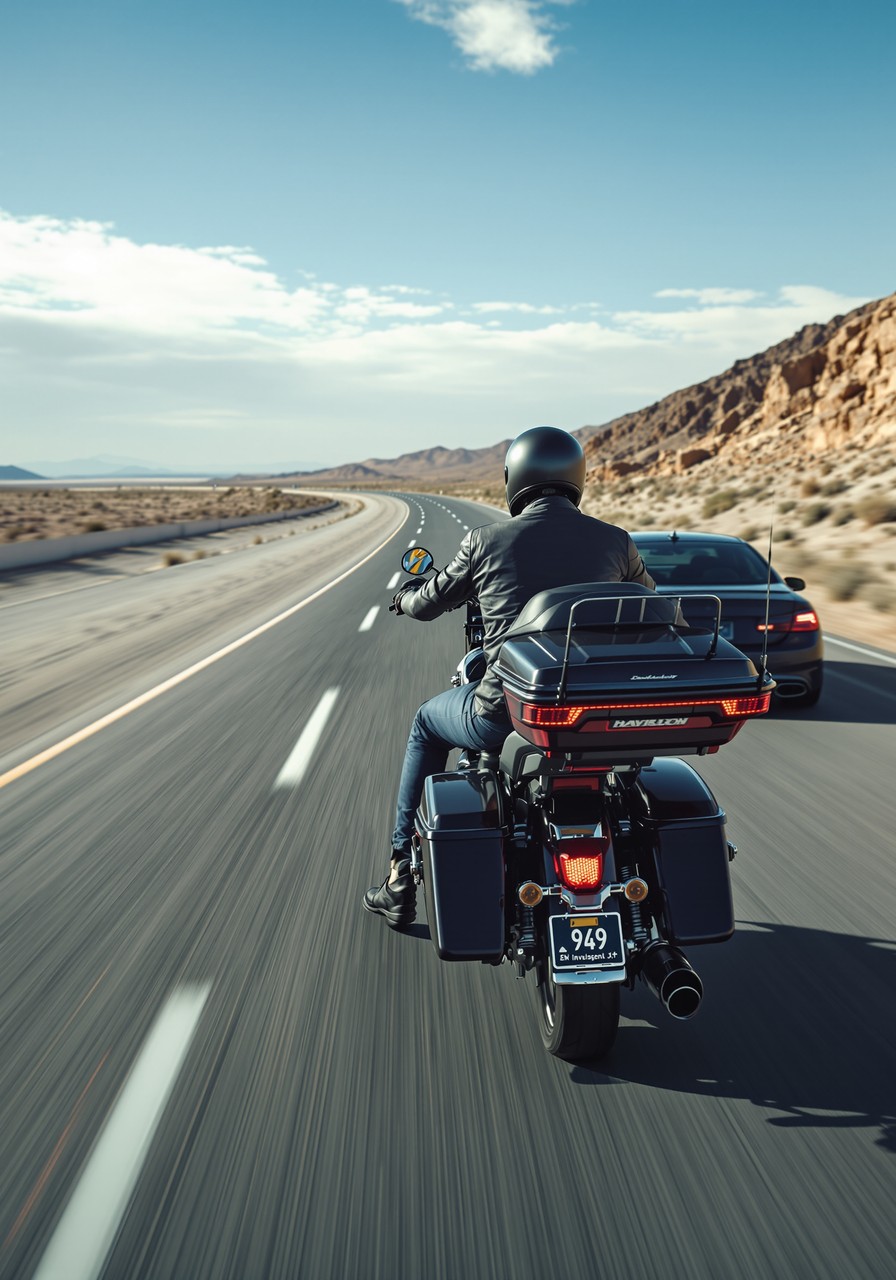
Heading up to Mount Charleston when the valley bakes? Shaded curves hold black ice long after the sun is out, and it will drop a bike before you feel it. Ride it hurt and need answers? Call Eric Blank Injury Attorneys at (702) 819-0865. #RideNationNV #DesertRiding #MotorcycleSafety
Engagement
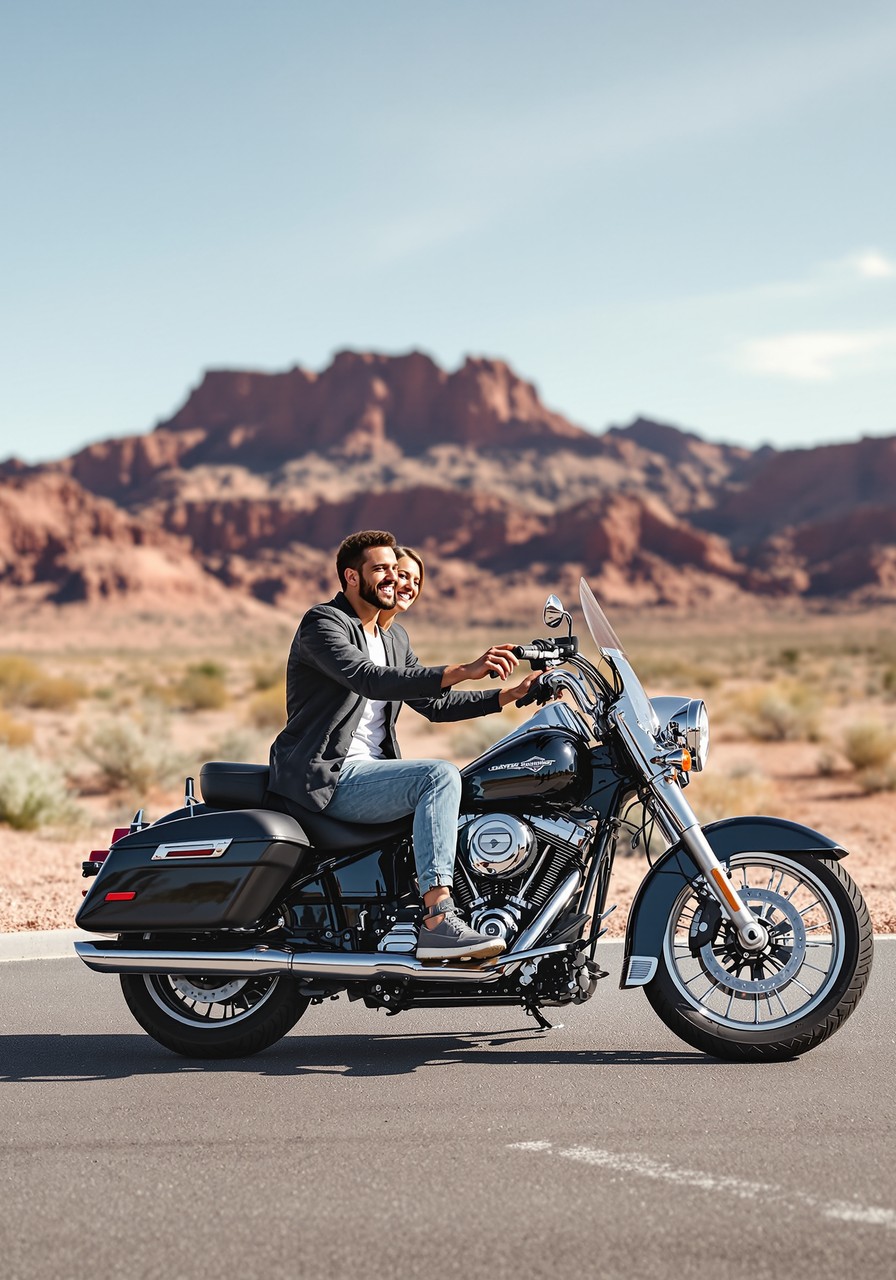
Fill in the blank: My cold-weather riding essential I will not leave home without is ______. #RideNationNV #DesertRiding #NevadaRiders
Giveaway & Countdown
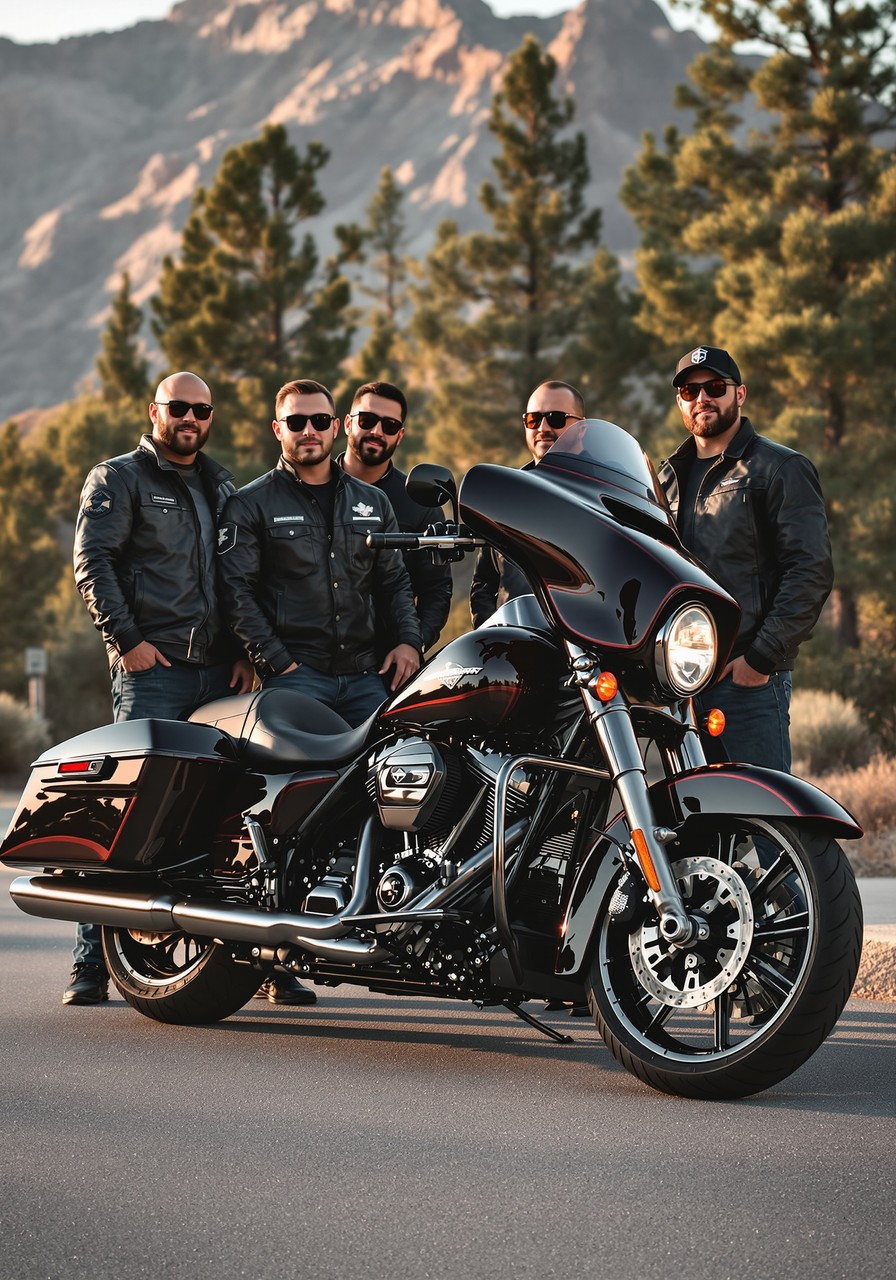
Reminder, riders: your free case review is your ticket into the $20K giveaway. Grab it at (702) 819-0865. #RideNationNV #MotorcycleGiveaway #DesertRiding
Local NV & Rides
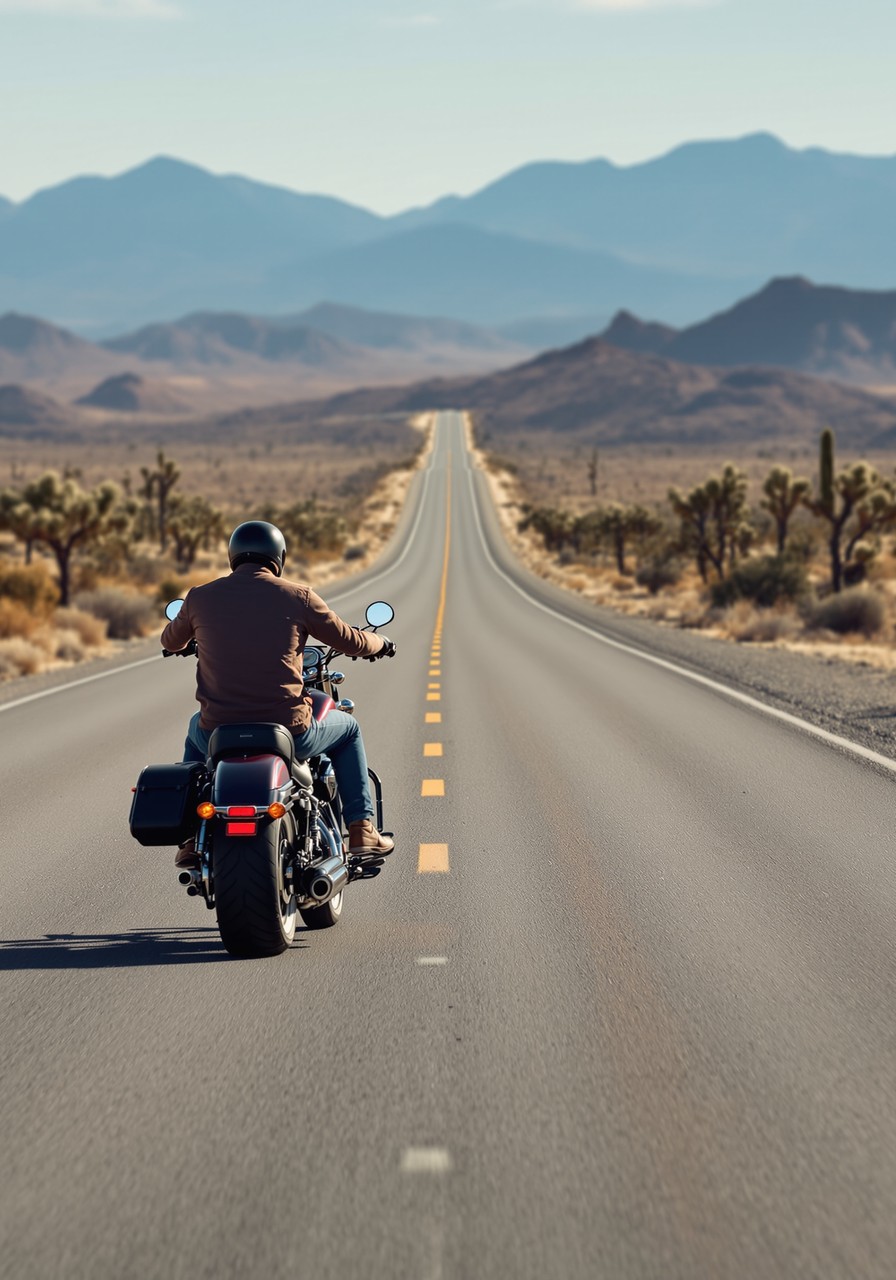
Boulder Highway is your easy warmup route when the weather turns cool and you just want seat time before the weekend runs. #RideNationNV #VegasRiders
Gear & New Iron
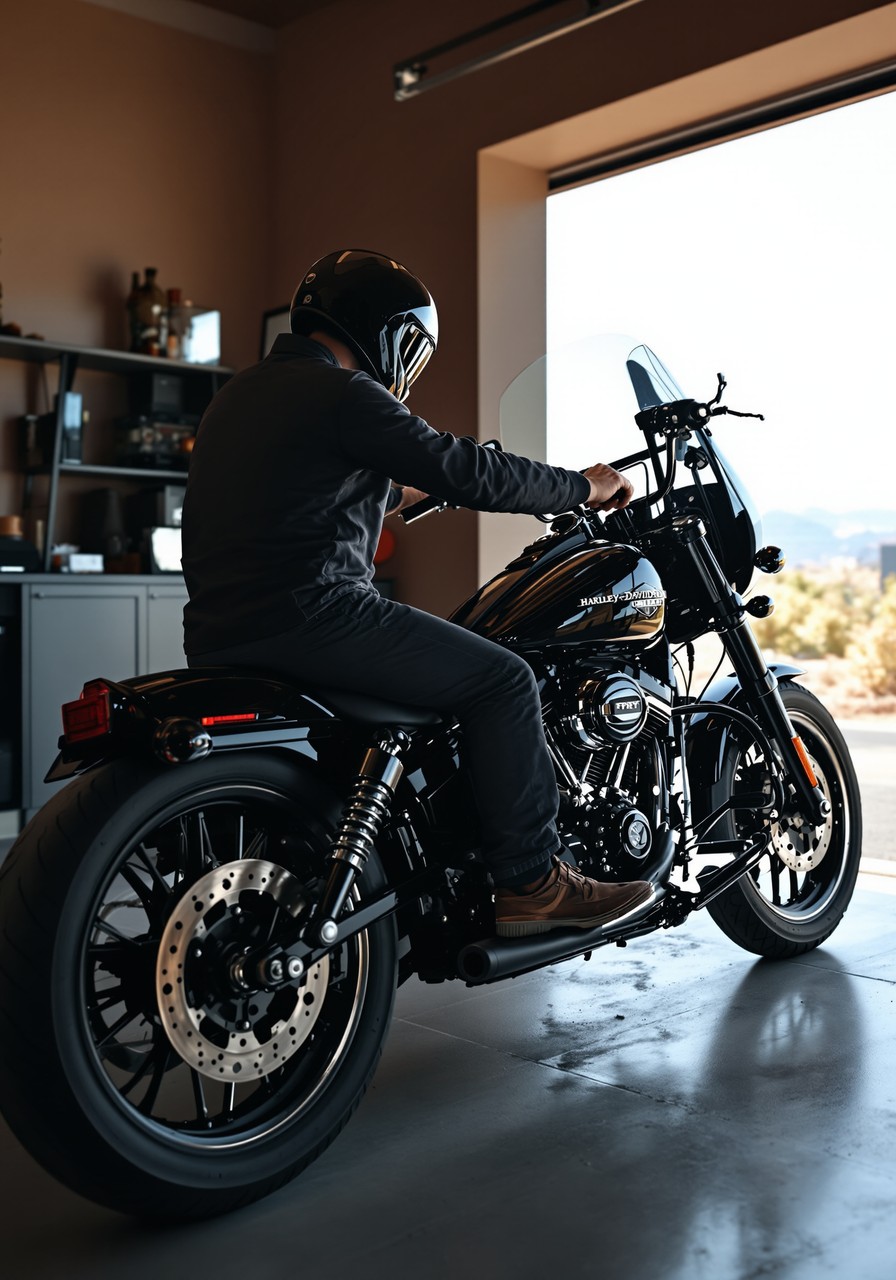
Heading up Mount Charleston? It can be 30 degrees cooler at the top. Pack a layer so the cold does not turn your hands stiff on the levers. #RideNationNV #GearUp #RiderTips
Safety & NV Law
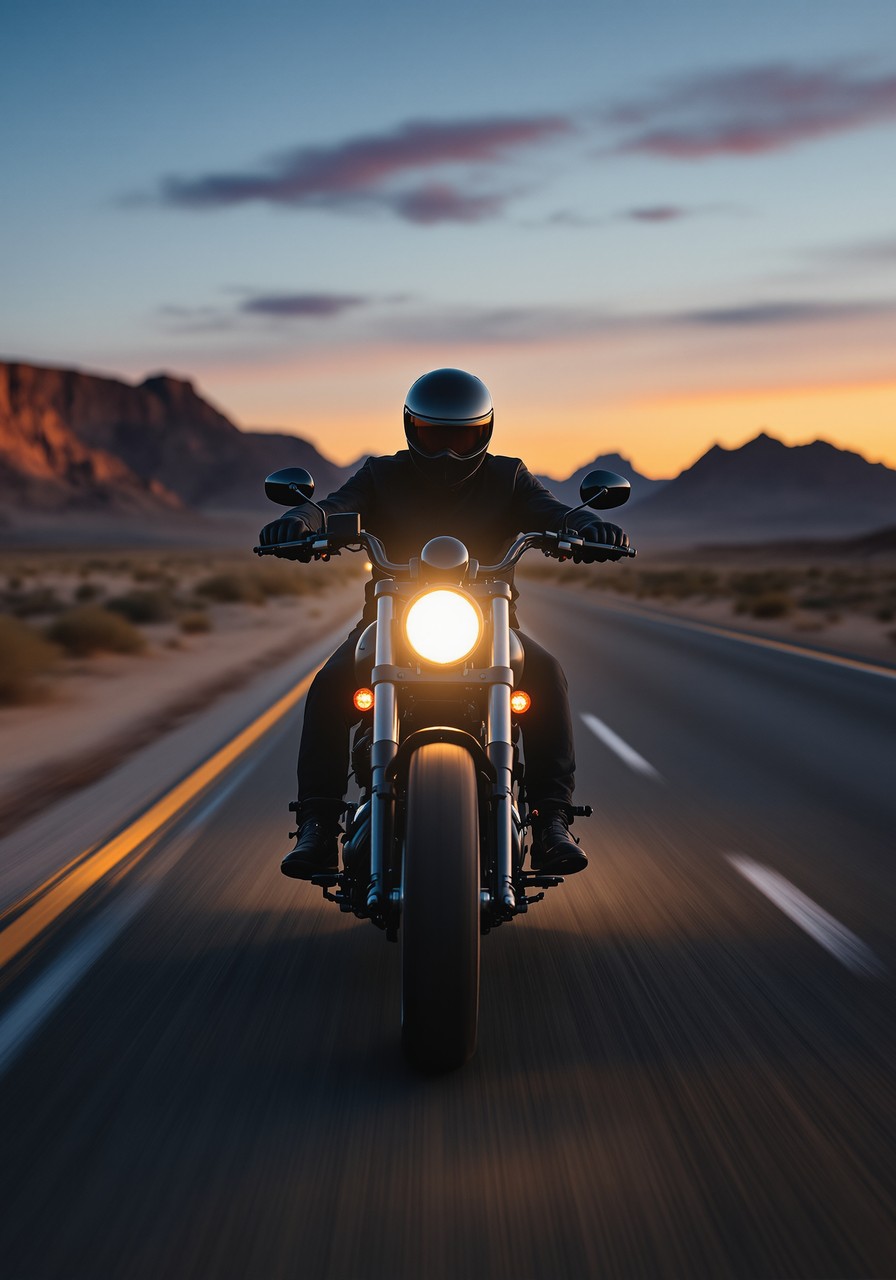
Desert crosswinds and blowing sand out past the valley can shove you across a lane and cut your traction to nothing. Loosen your grip, look through the gust, and give trucks room. Down after a wind or road-condition wreck? Call Eric Blank Injury Attorneys at (702) 819-0865. #RideNationNV #DesertRiding #MotorcycleSafety
Engagement
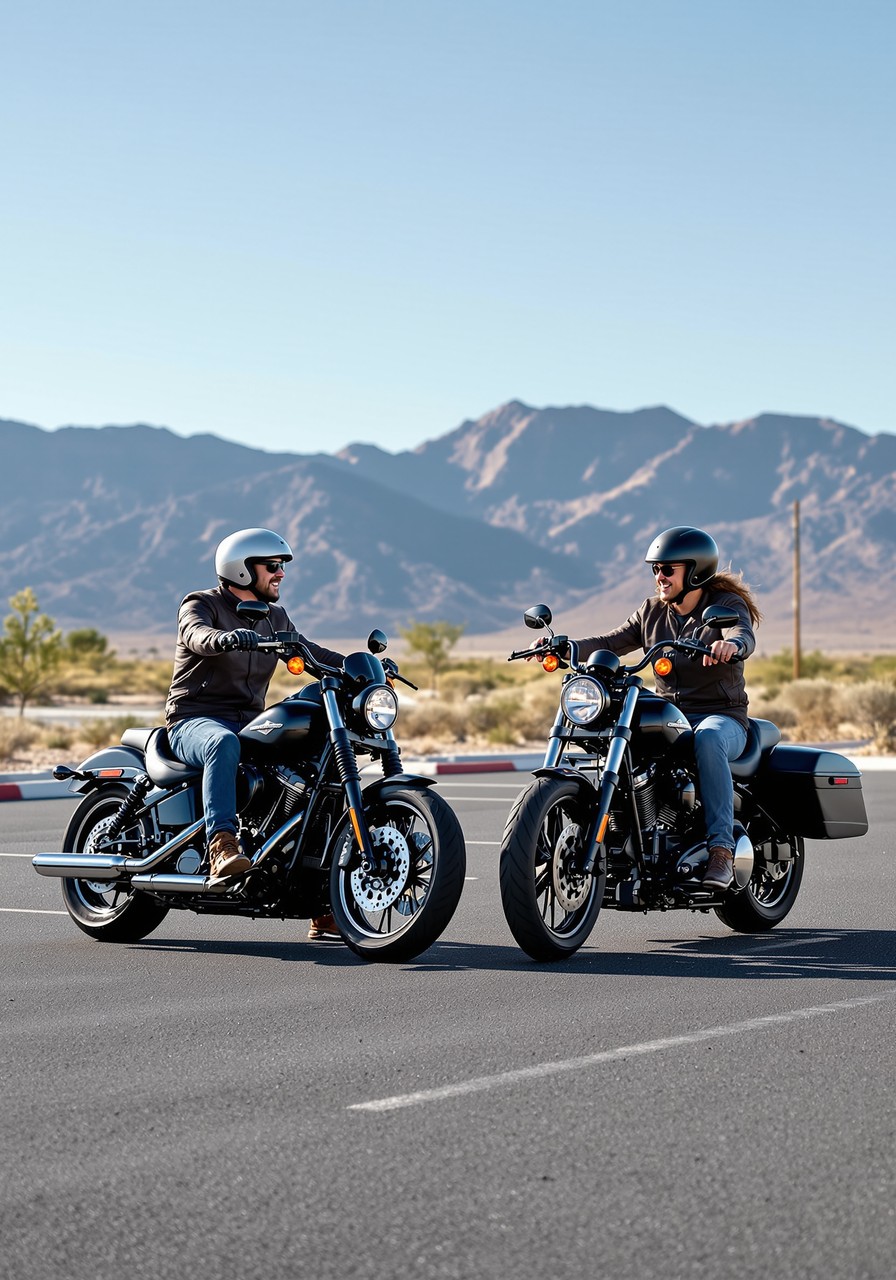
Name your favorite Nevada overlook to park at and just take it all in. We are building a list. #RideNationNV #RedRockCanyon #VegasRiders
Giveaway & Countdown
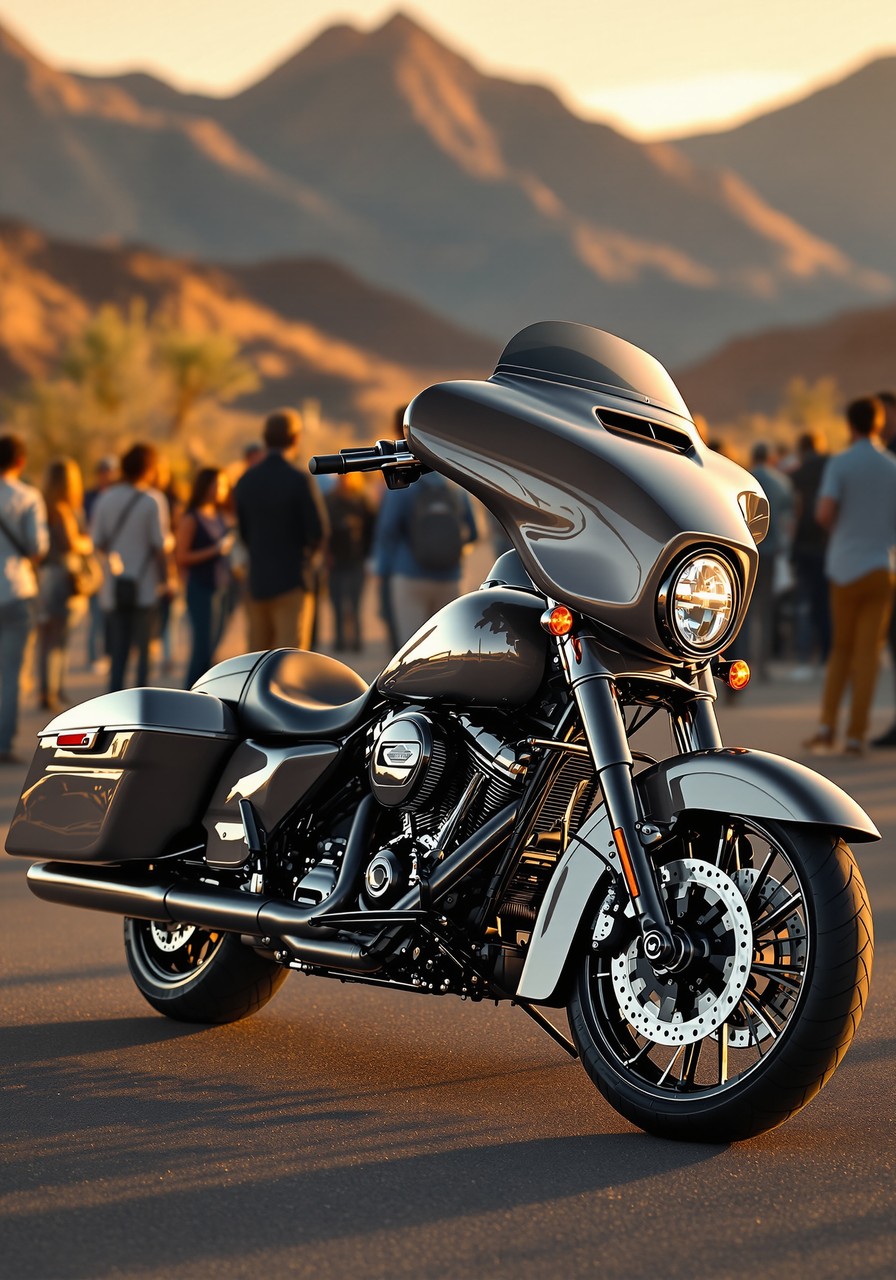
Do not leave $20,000 on the table. A no-cost talk with Eric Blank Injury Attorneys enters you. (702) 819-0865. #RideNationNV #20kGiveaway #NevadaRiders
Local NV & Rides
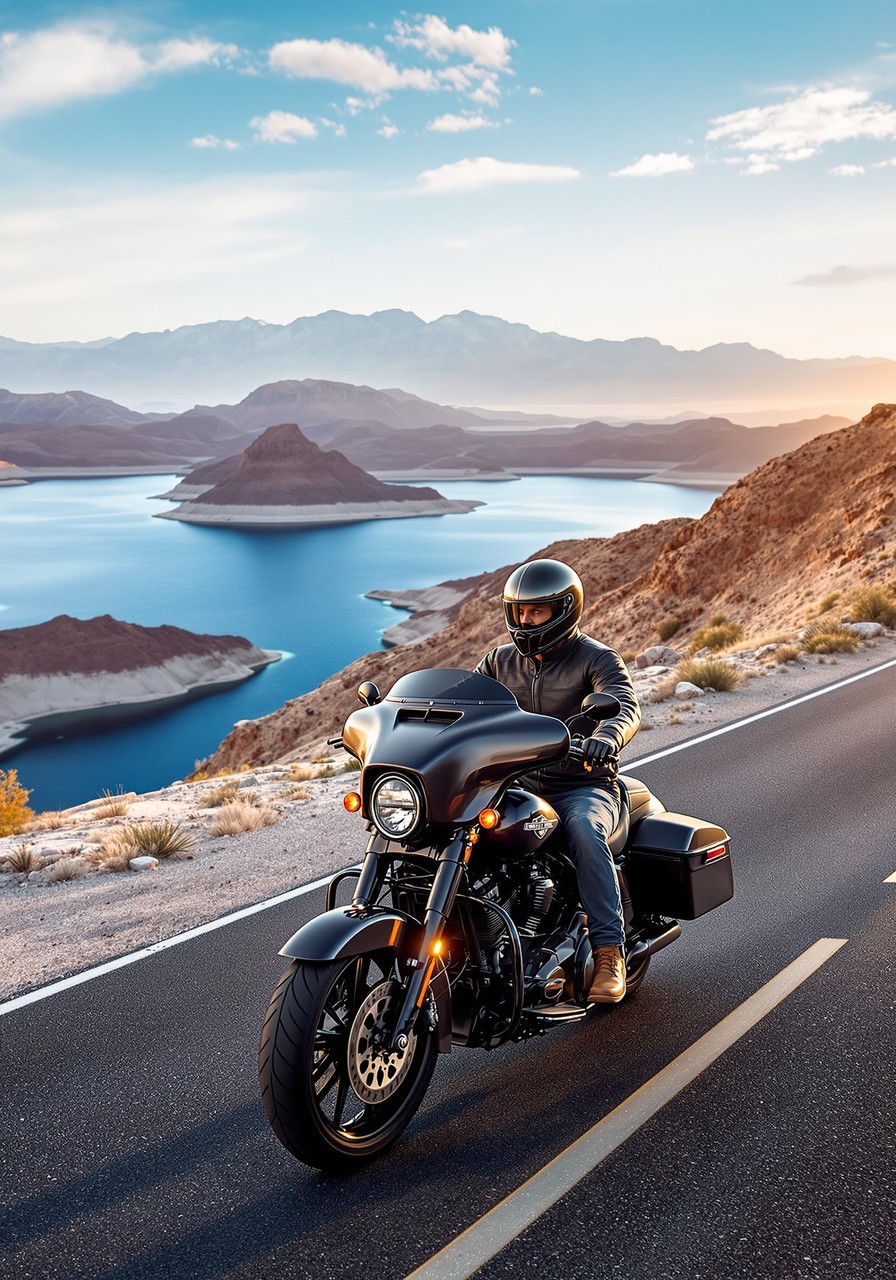
Mount Potosi Road is a quiet gem off SR-160. Loose gravel gathers on the outside of the corners, so read the surface before you lean. #RideNationNV #NevadaRiders #MotorcycleRoads
Gear & New Iron
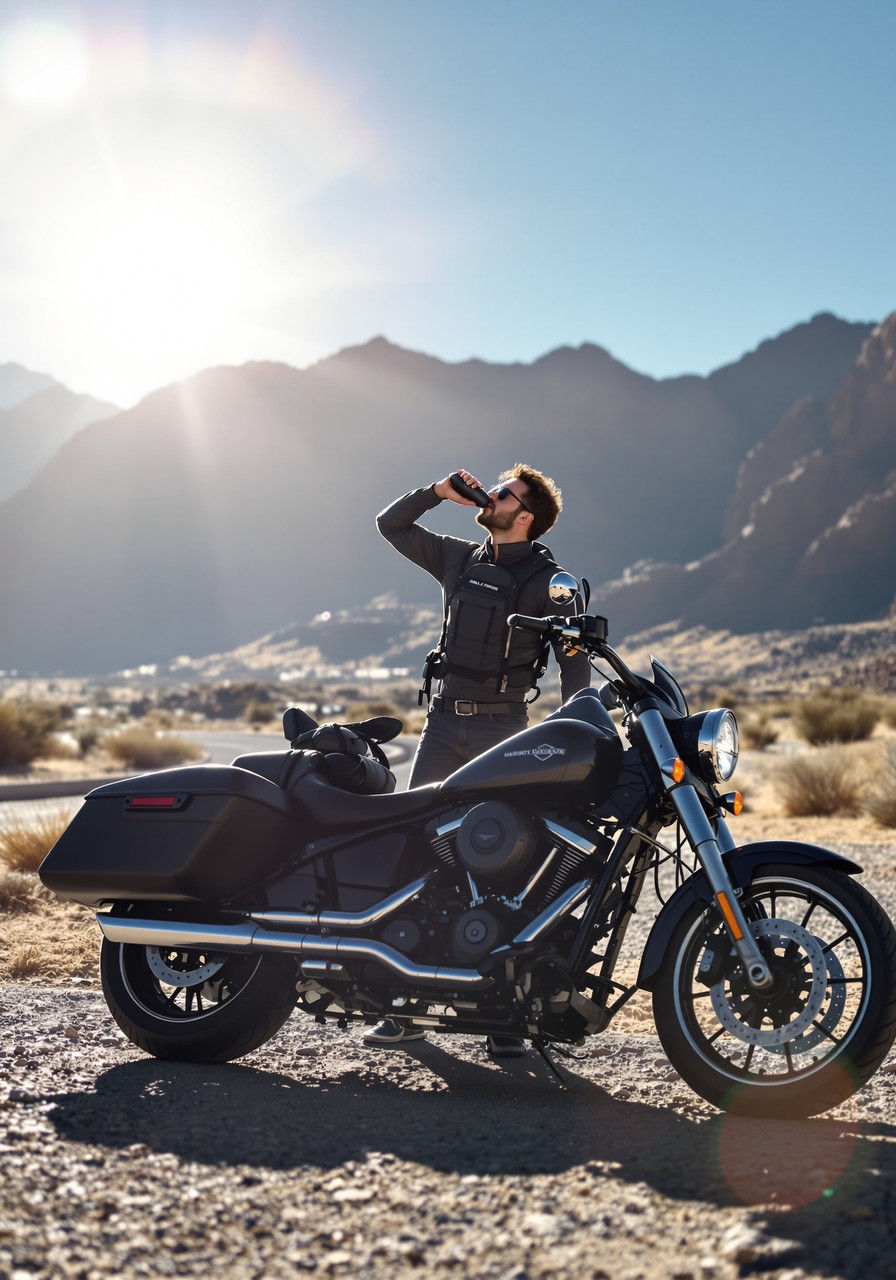
Layering is a desert skill. Valley heat and mountain chill in one ride means base layers you can add or shed at a pull-off. #RideNationNV #GearUp #DesertRiding
Safety & NV Law
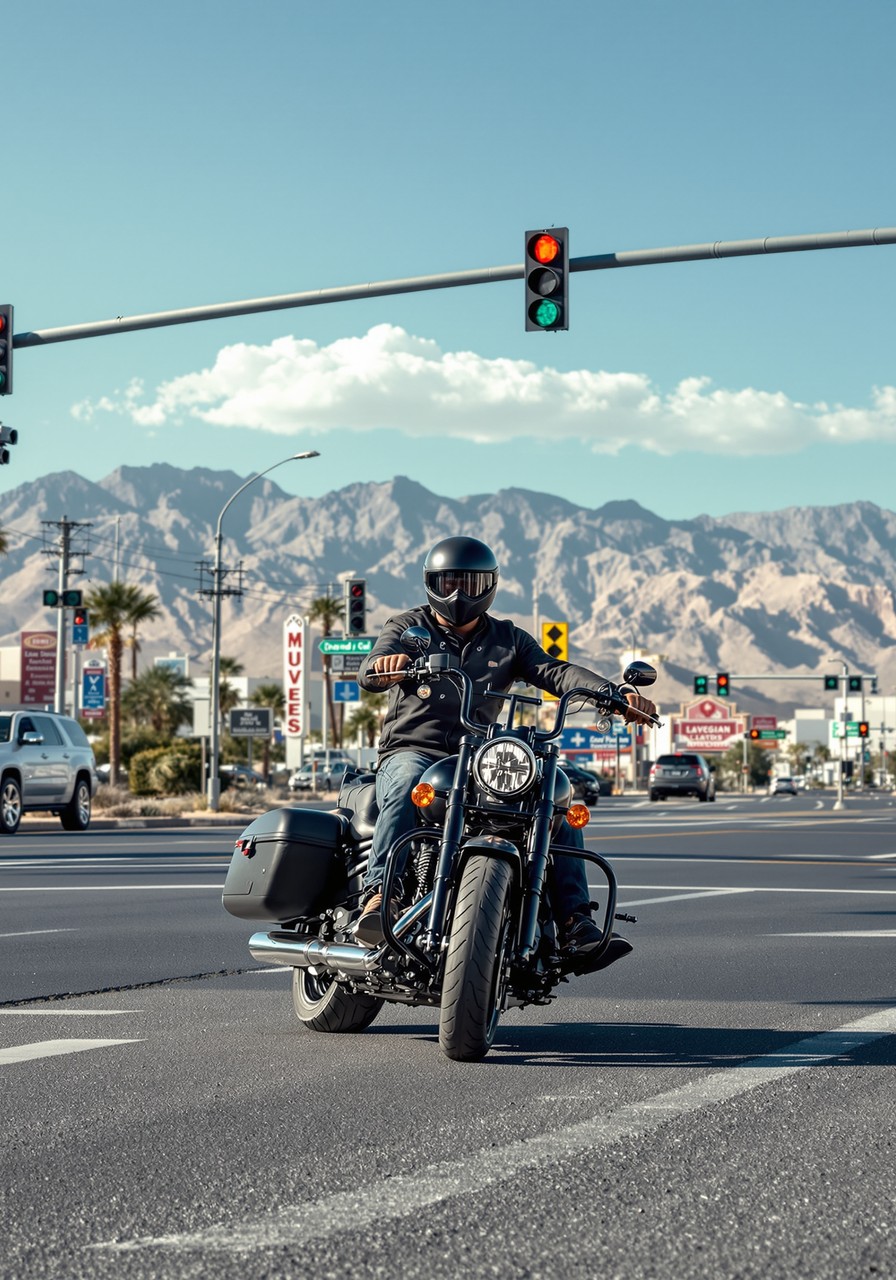
Low desert sun turns an eastbound morning or westbound evening into a wall of glare, and that is exactly when a driver misses you. Shield, position, and assume they are blind. Hit by a driver who says the sun was in their eyes? Call Eric Blank Injury Attorneys at (702) 819-0865. #RideNationNV #VegasRiders #MotorcycleSafety
Engagement
This or that: the Lake Mead loop or the climb up Mount Charleston. Which wins today? #RideNationNV #MountCharleston #NevadaRiders
Giveaway & Countdown
Every rider deserves a shot at the BikersWin ride. Yours starts with a call to (702) 819-0865. #RideNationNV #BikersWin #VegasRiders
Local NV & Rides
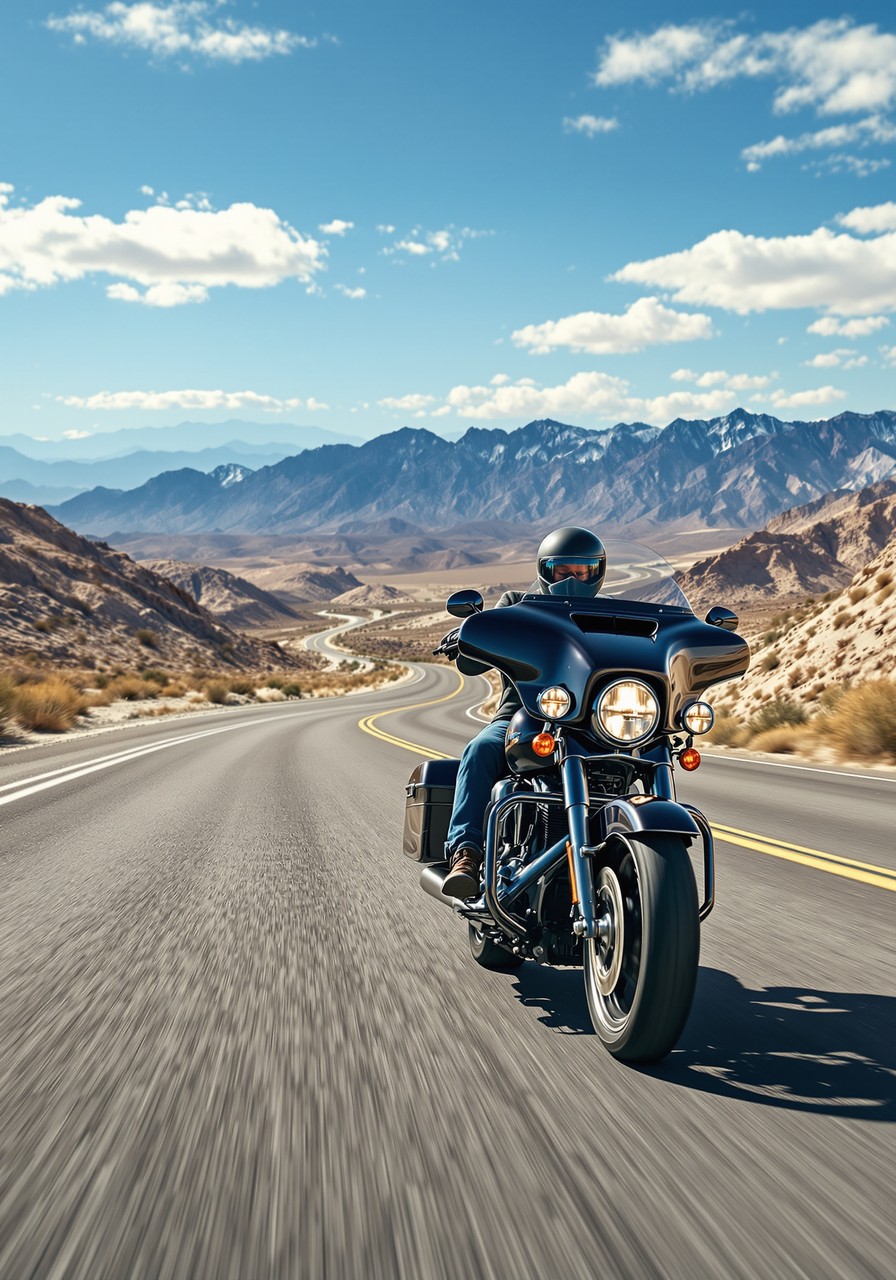
Burros hang out right along the Red Rock Scenic Loop. They step into the road without warning, so keep your pace easy and your eyes far ahead. #RideNationNV #RedRockCanyon #DesertRiding
Gear & New Iron
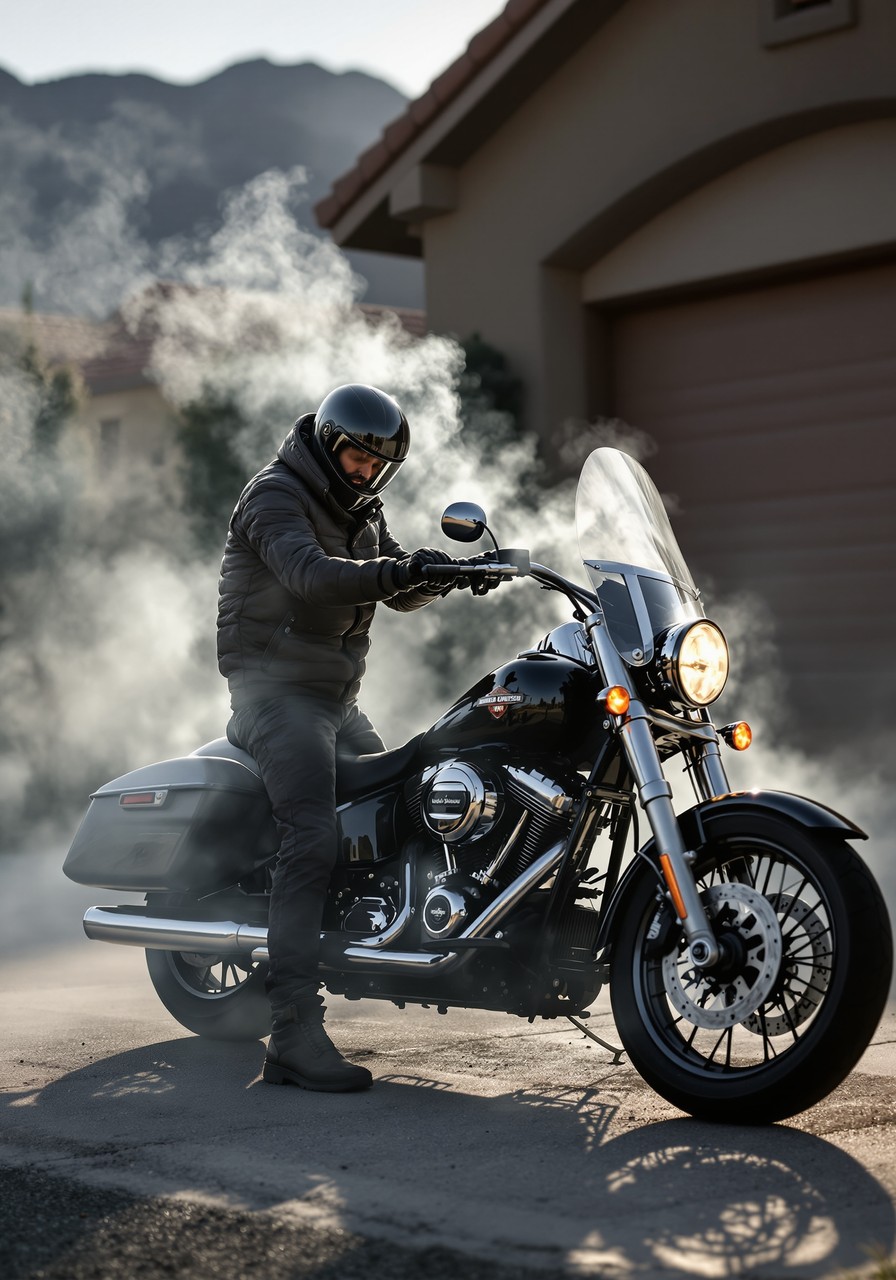
Tourist traffic on the Strip does not see you. Hi-viz on your torso and helmet buys you the extra half second that matters. #RideNationNV #GearUp #VegasRiders
Safety & NV Law
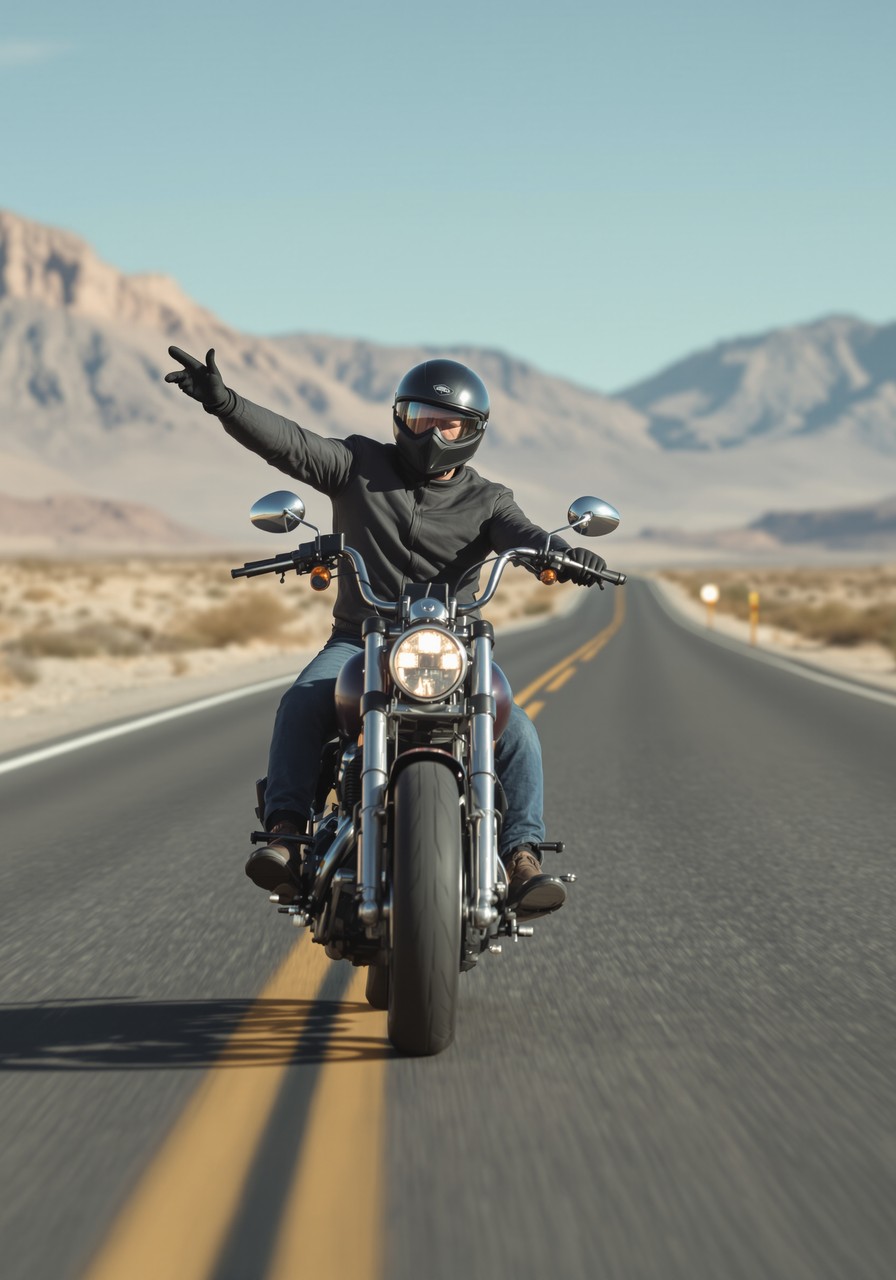
MedPay is cheap add-on coverage that pays your crash medical bills no matter who caused it, and most Nevada riders skip it. In a no-PIP state that is a gap worth closing. Questions on how it stacks with your claim? Call Eric Blank Injury Attorneys at (702) 819-0865. #RideNationNV #NevadaRiders #KnowYourRights
Engagement
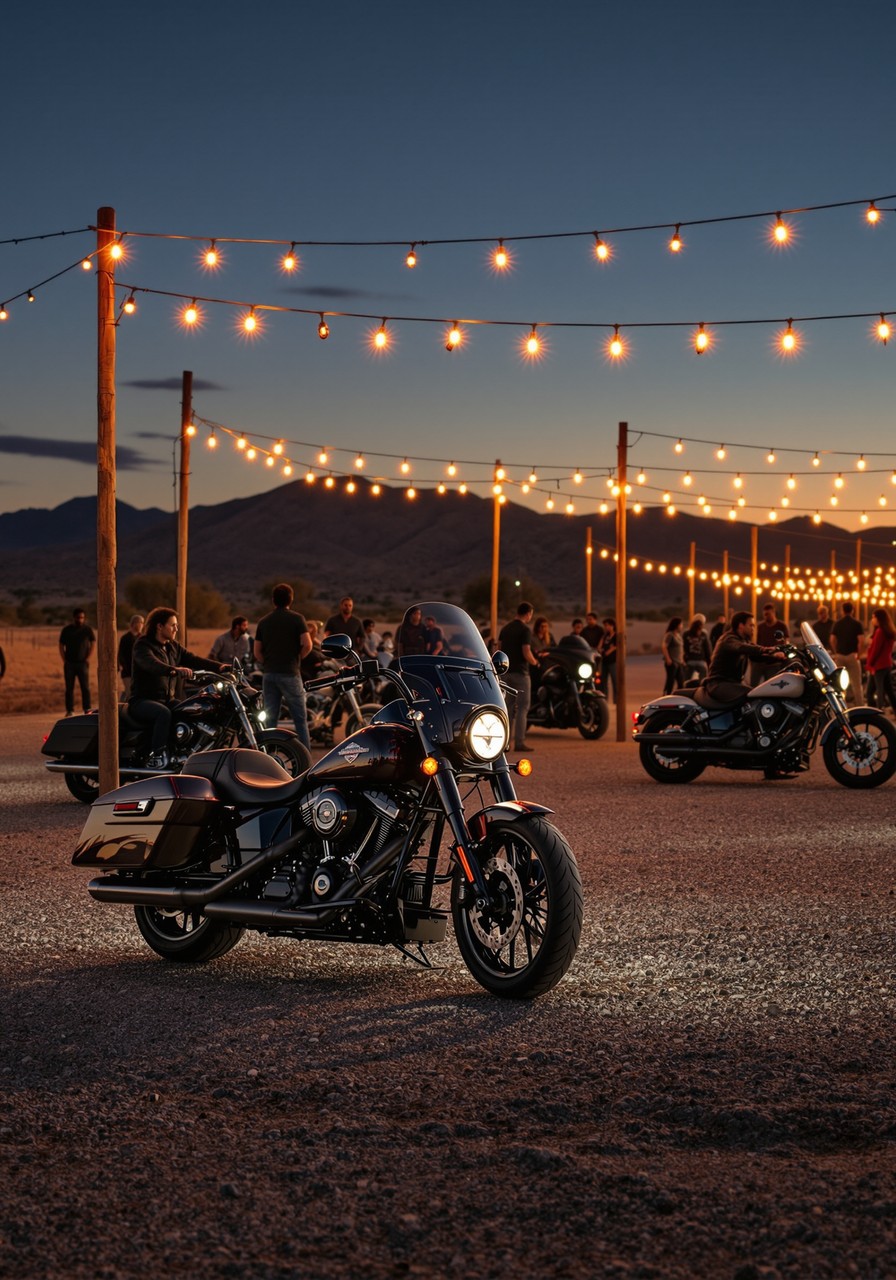
Question for the group: what is the best kept riding secret in Southern Nevada? Spill it. #RideNationNV #DesertRiding #VegasRiders
Giveaway & Countdown
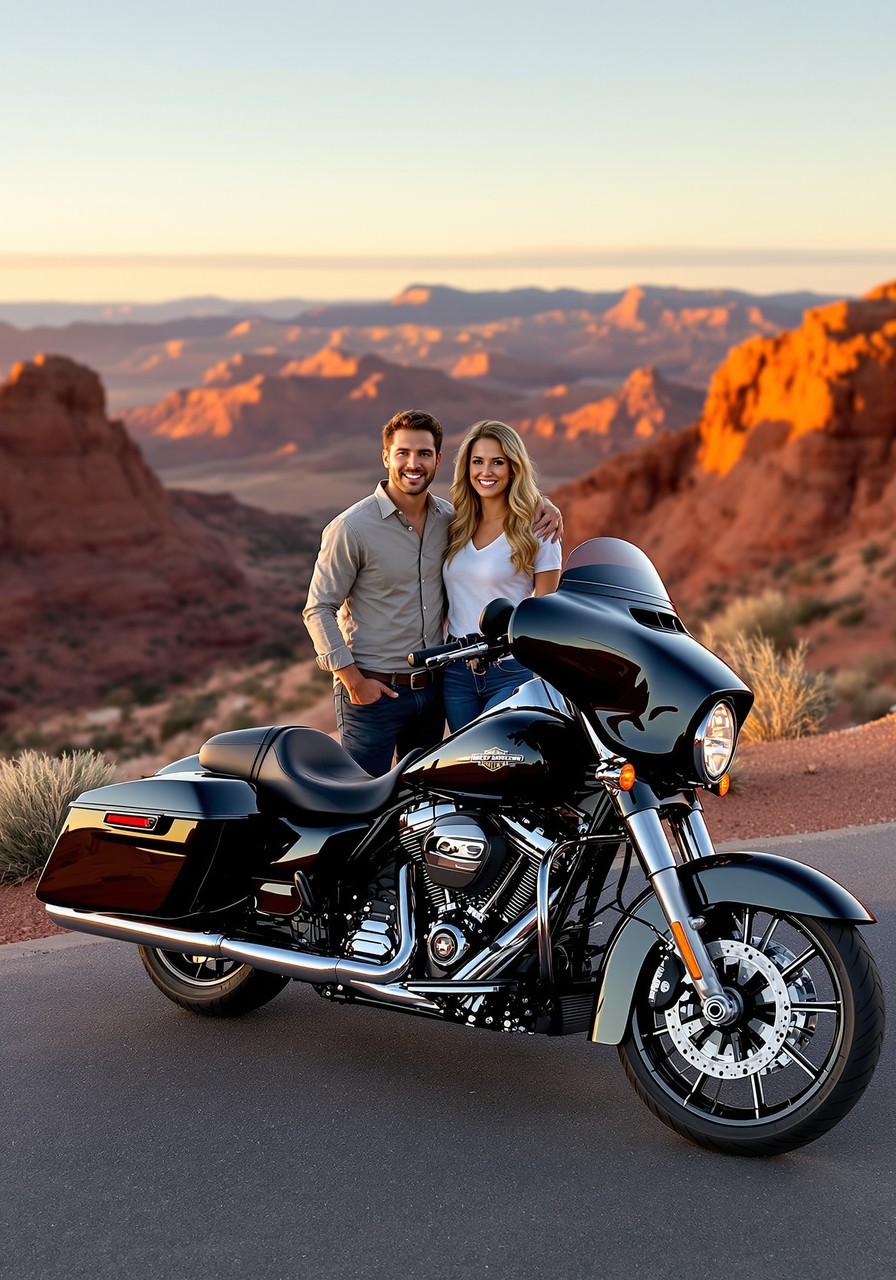
Hurt on two wheels in Nevada? Talk to us free, get entered for $20K. Eric Blank Injury Attorneys, (702) 819-0865. #RideNationNV #MotorcycleGiveaway #DesertRiding
Local NV & Rides
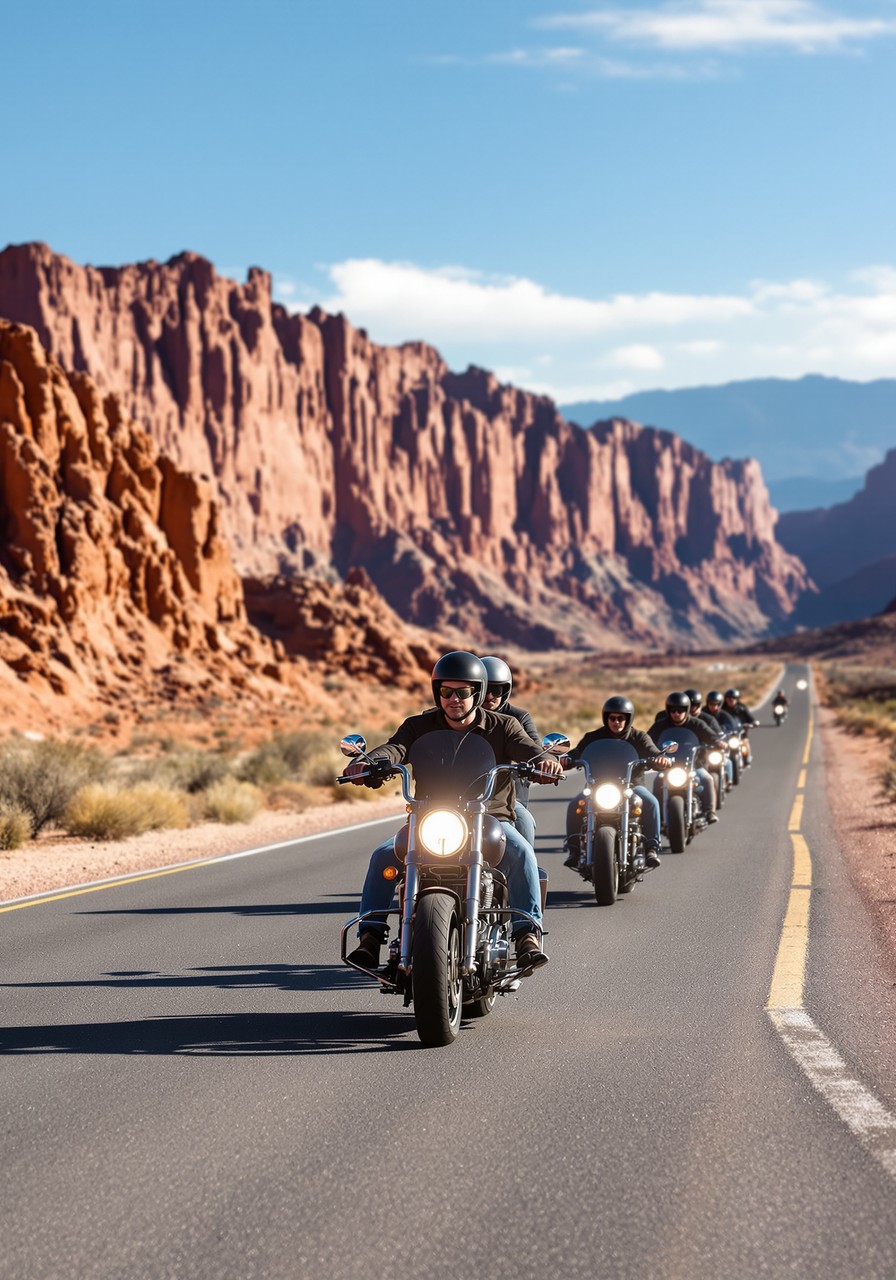
Dust storms roll across the valley fast this time of year. If the visibility drops, get off the road and wait it out. No ride is worth it. #RideNationNV #DesertRiding #VegasRiders
Gear & New Iron
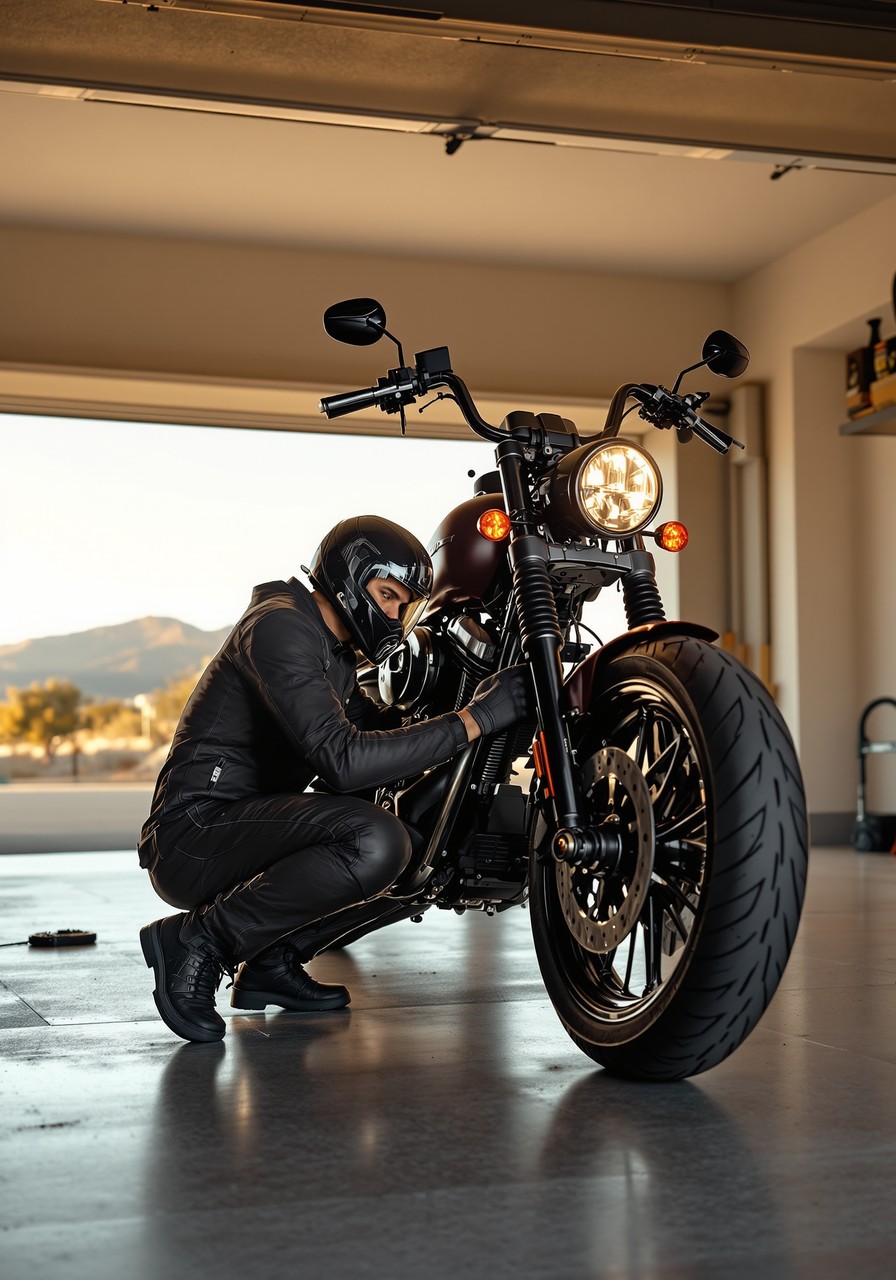
Bright gear beats black leather for being noticed by a distracted rental car. Save the all-black look for the photos. #RideNationNV #RiderTips #VegasRiders
Safety & NV Law
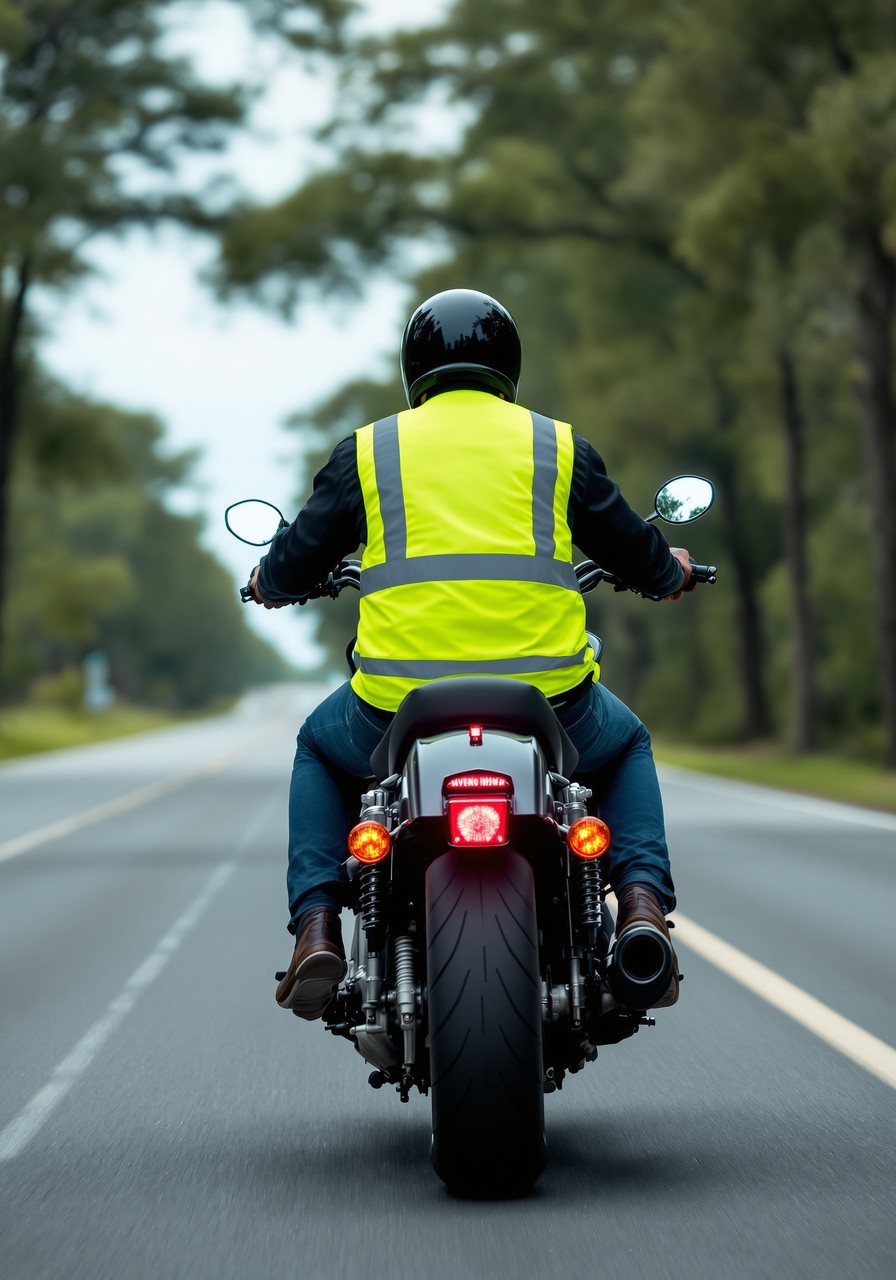
The valley is packed with tourists in rentals and uninsured drivers who vanish after a crash. UM/UIM coverage is what pays when the other guy cannot, so check that it is on your policy. Hit by an uninsured driver? Call Eric Blank Injury Attorneys at (702) 819-0865. #RideNationNV #VegasRiders #RiderRights
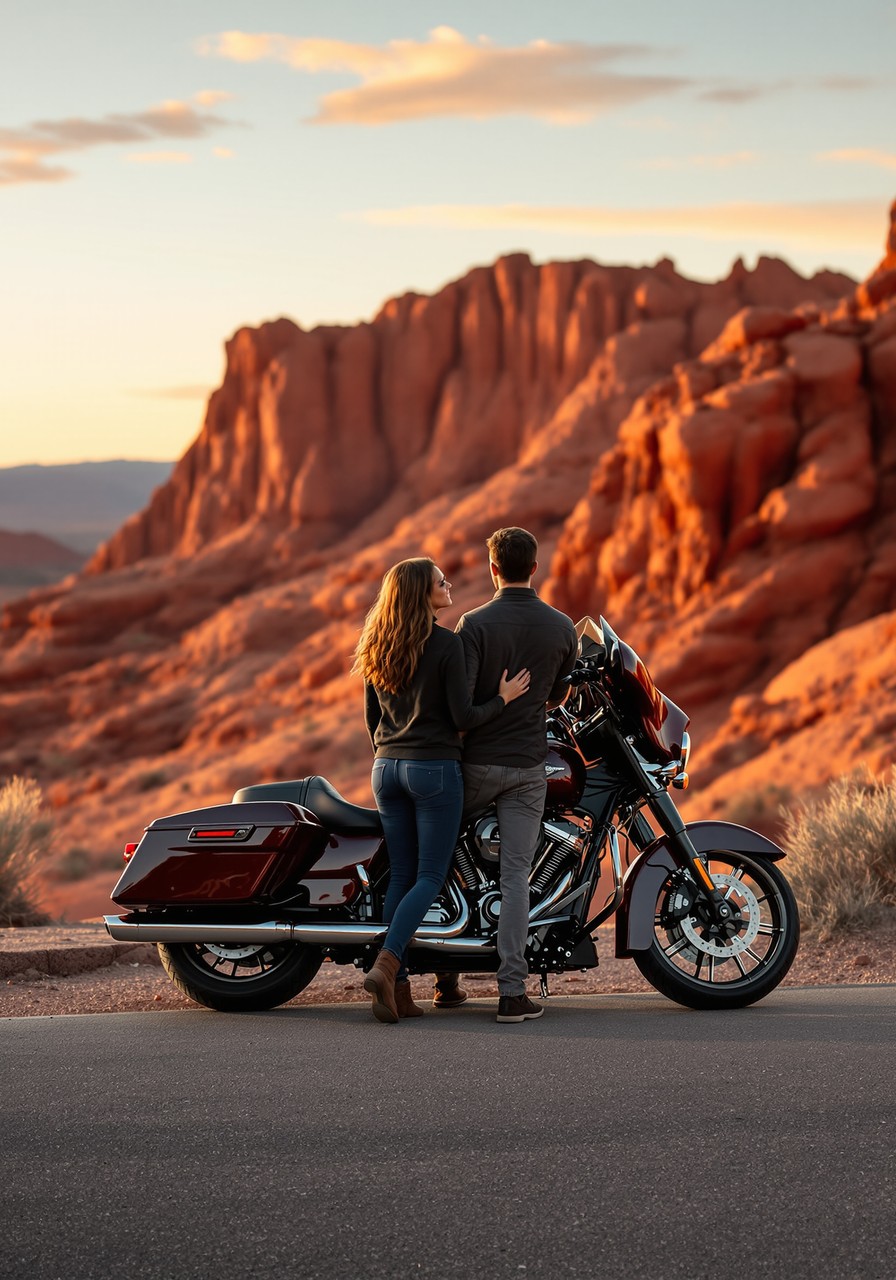
Engagement
Tag someone who has not had their bike out yet this winter. Give them the nudge. #RideNationNV #VegasRiders #TwoWheels
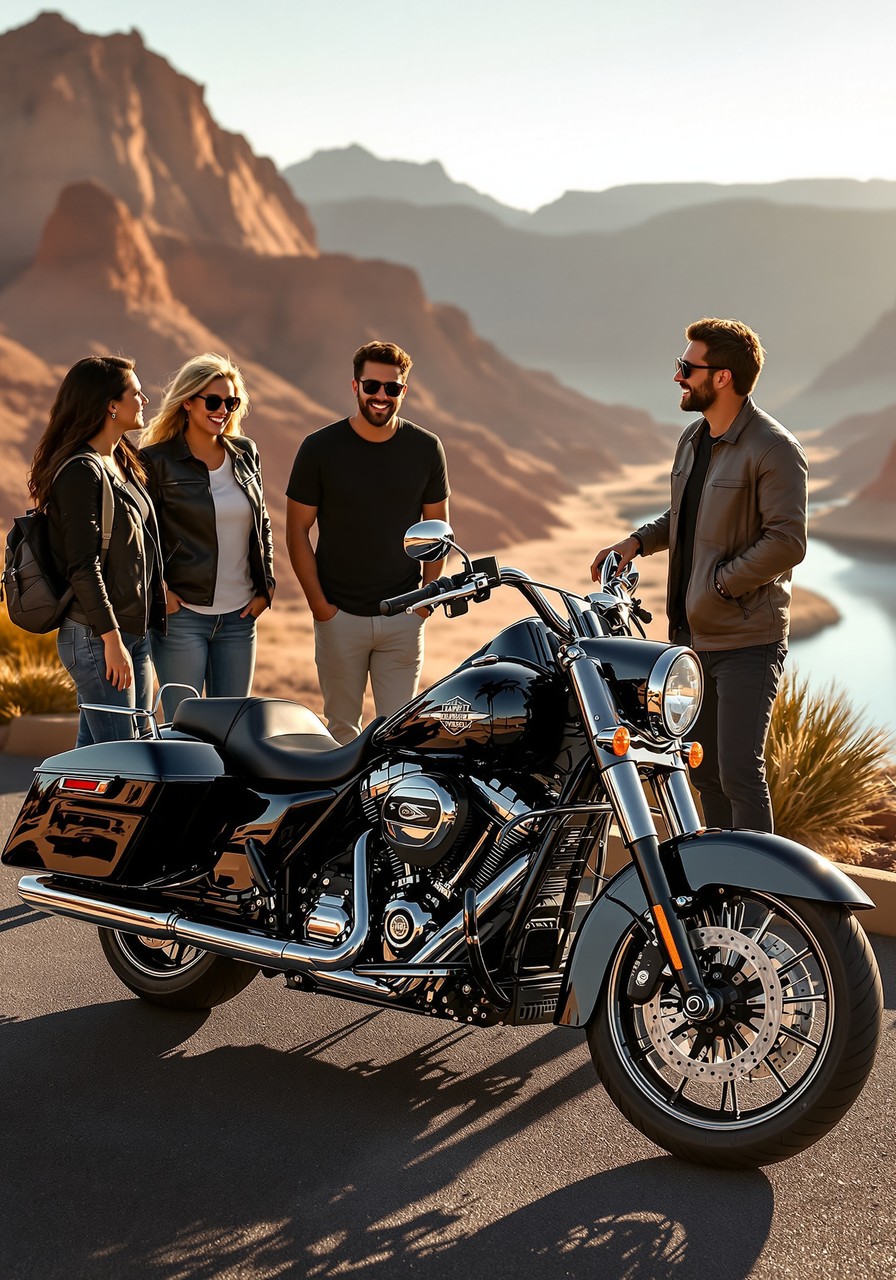
Giveaway & Countdown
Still on the fence about entering? It costs nothing to ask. Call (702) 819-0865 and we will lay it out. #RideNationNV #BikersWin #VegasRiders
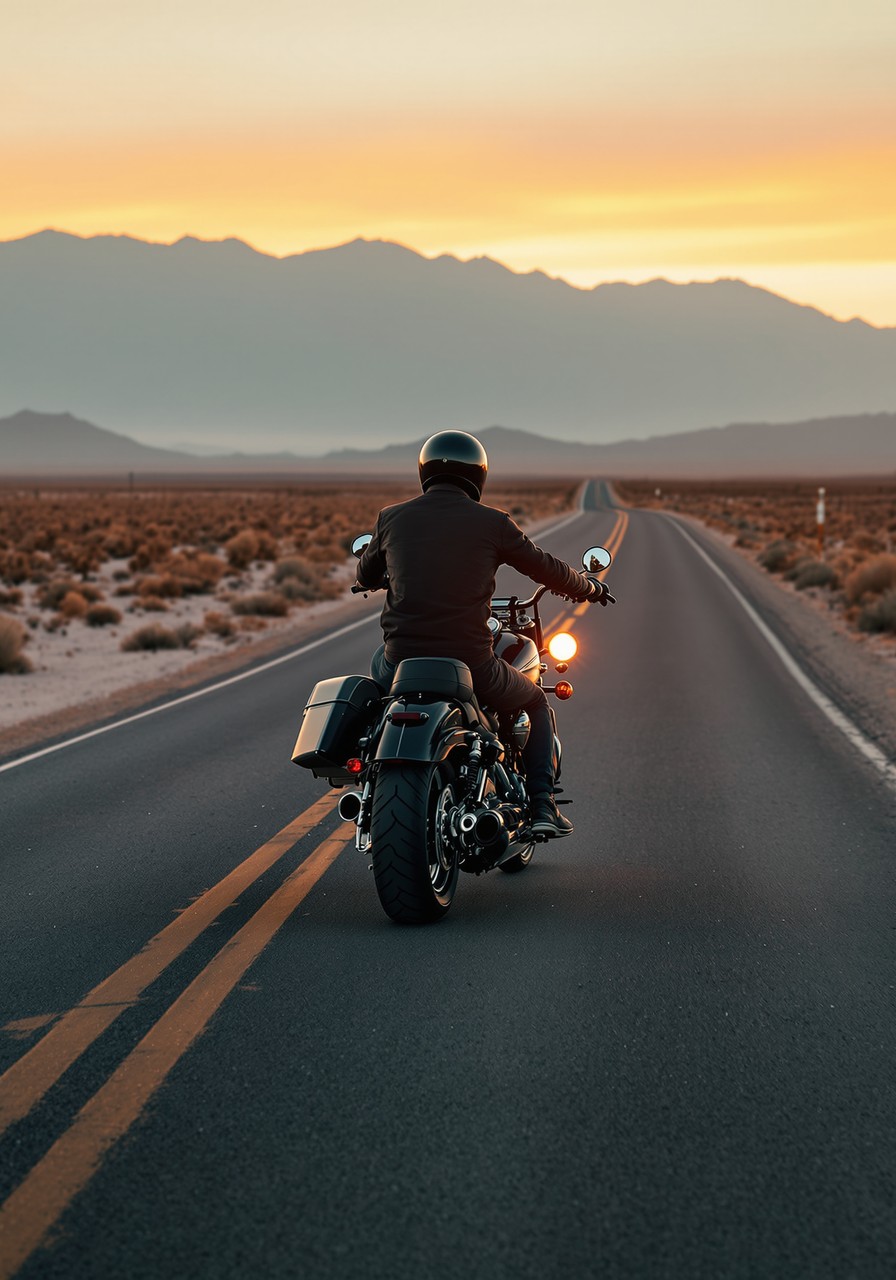
Local NV & Rides
Flash-flood wash and gravel wind up on the canyon roads after any storm. Red Rock and Kyle Canyon collect it in the corners. Scan every apex. #RideNationNV #RedRockCanyon #MotorcycleRoads
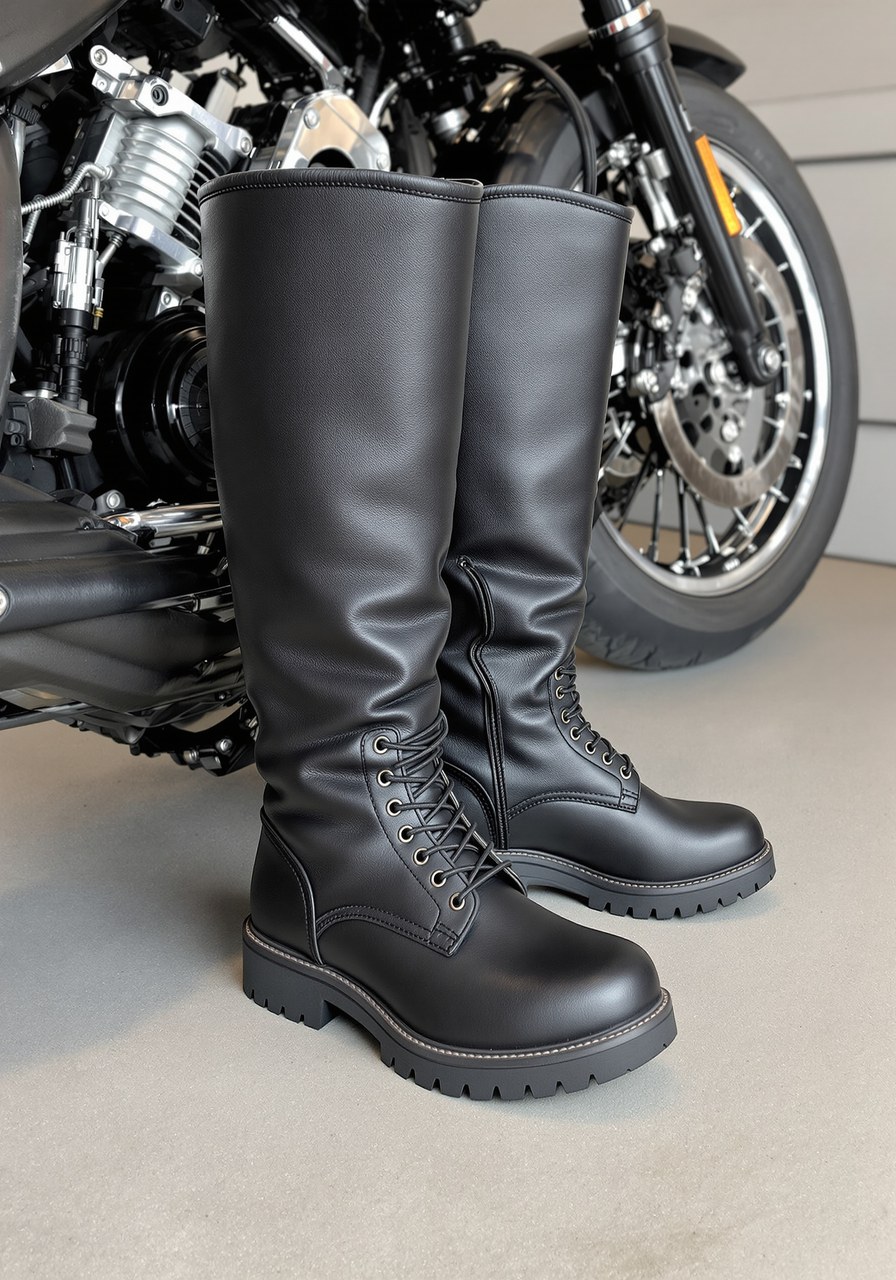
Gear & New Iron
Boots over the ankle, laces tucked, real soles. Sneakers do nothing when a footpeg or the pavement finds your foot. #RideNationNV #ATGATT #GearUp
Safety & NV Law
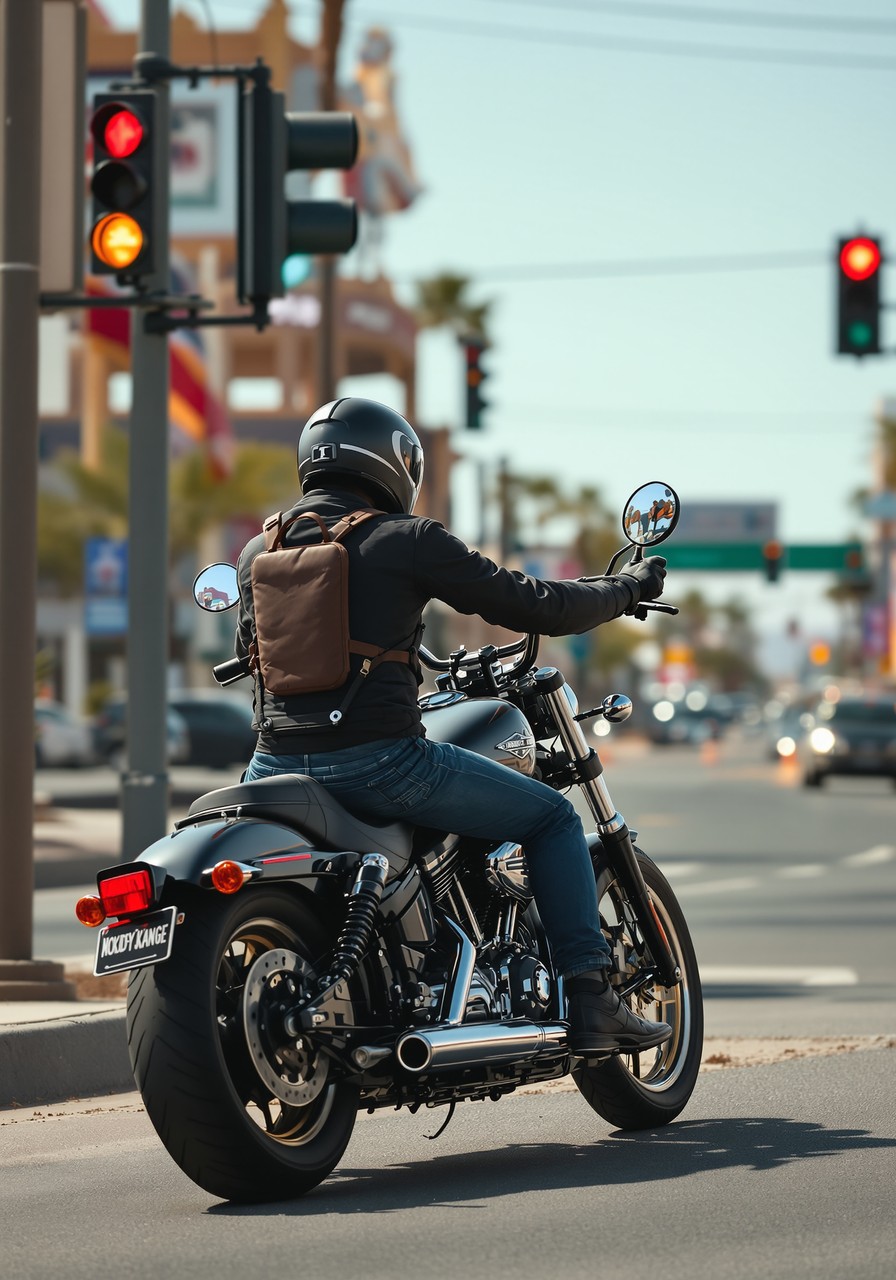
Boulder Highway is a distracted-driver gauntlet: phones, lane changes, and drivers looking everywhere but at bikes. Buffer your space and keep an exit. If one of them hits you, call Eric Blank Injury Attorneys at (702) 819-0865. #RideNationNV #MotorcycleSafety #VegasRiders
Engagement
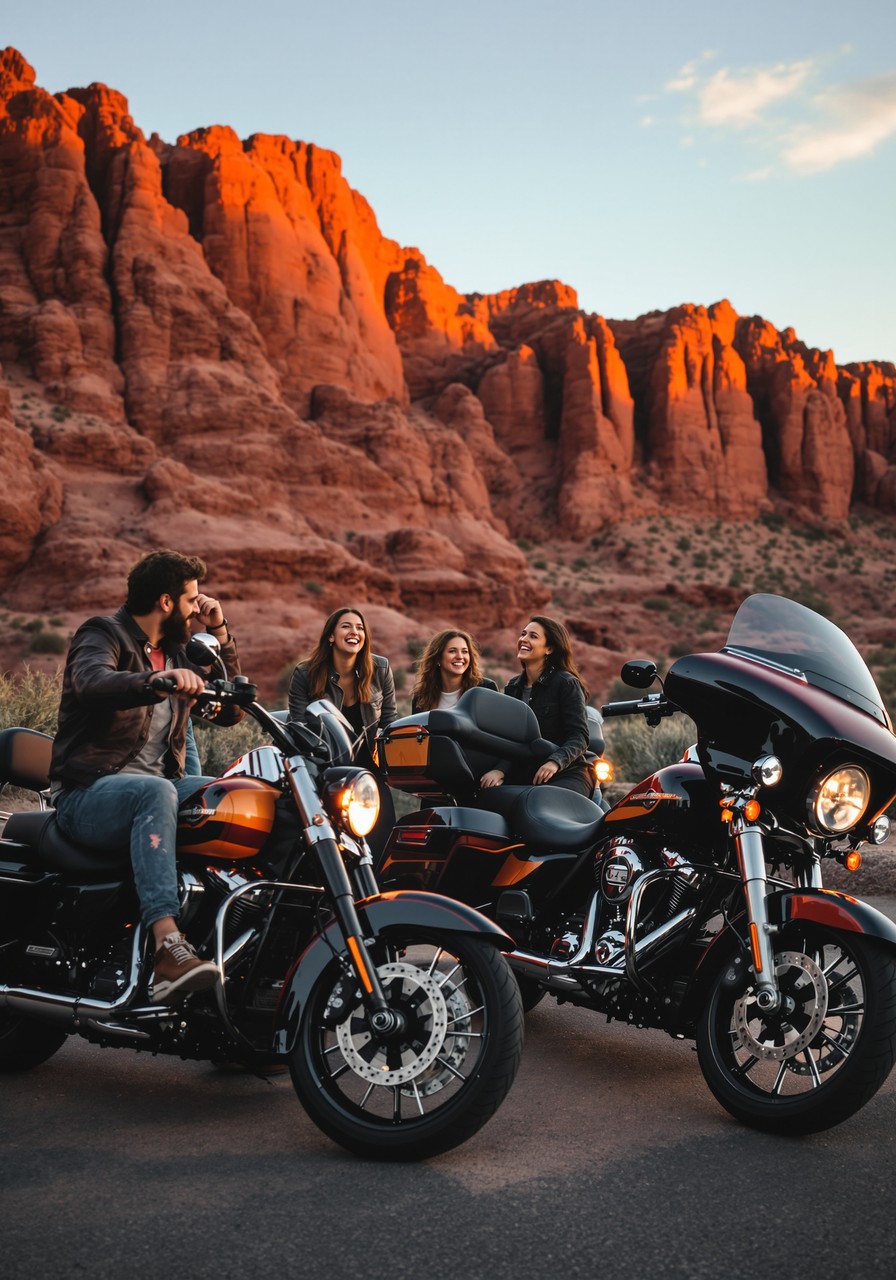
Caption this: dusty boots and a big grin after a long desert ride. #RideNationNV #DesertRiding #NevadaRiders
Giveaway & Countdown
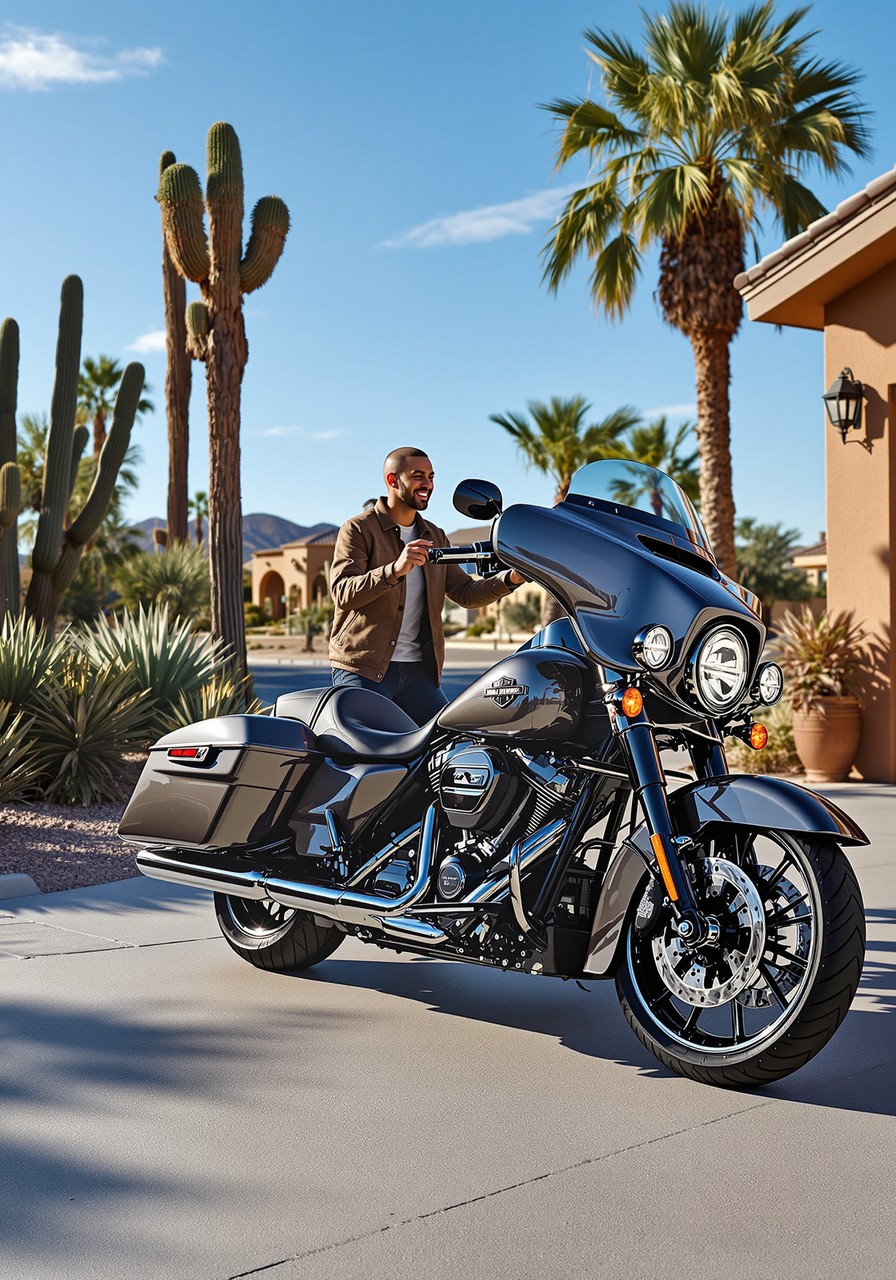
The BikersWin countdown is running and your entry is free. Claim it by calling (702) 819-0865 today. #RideNationNV #20kGiveaway #NevadaRiders
Local NV & Rides
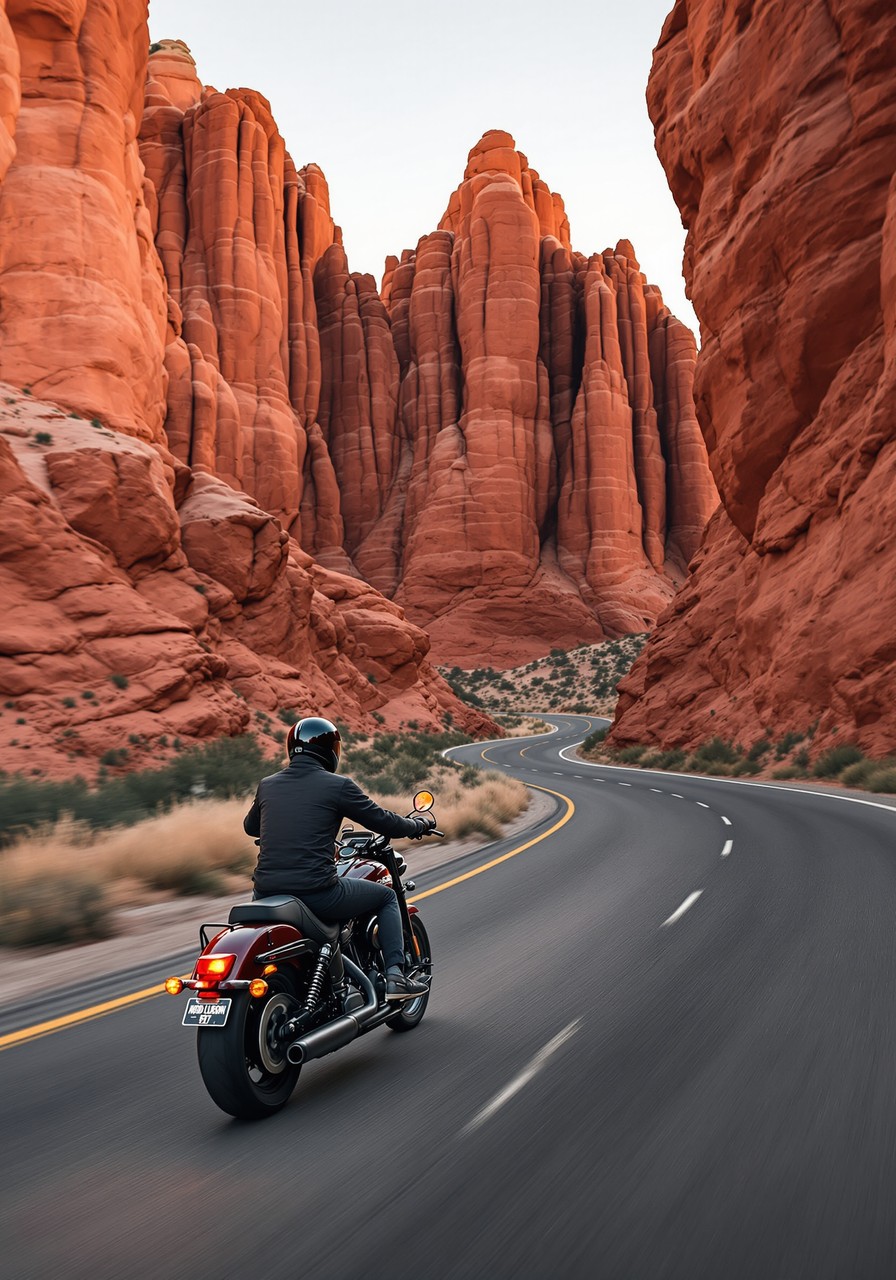
Low winter sun turns eastbound morning and westbound evening rides into a glare wall. Clean your visor and keep a clear lens handy. #RideNationNV #VegasRiders #DesertRiding
Gear & New Iron
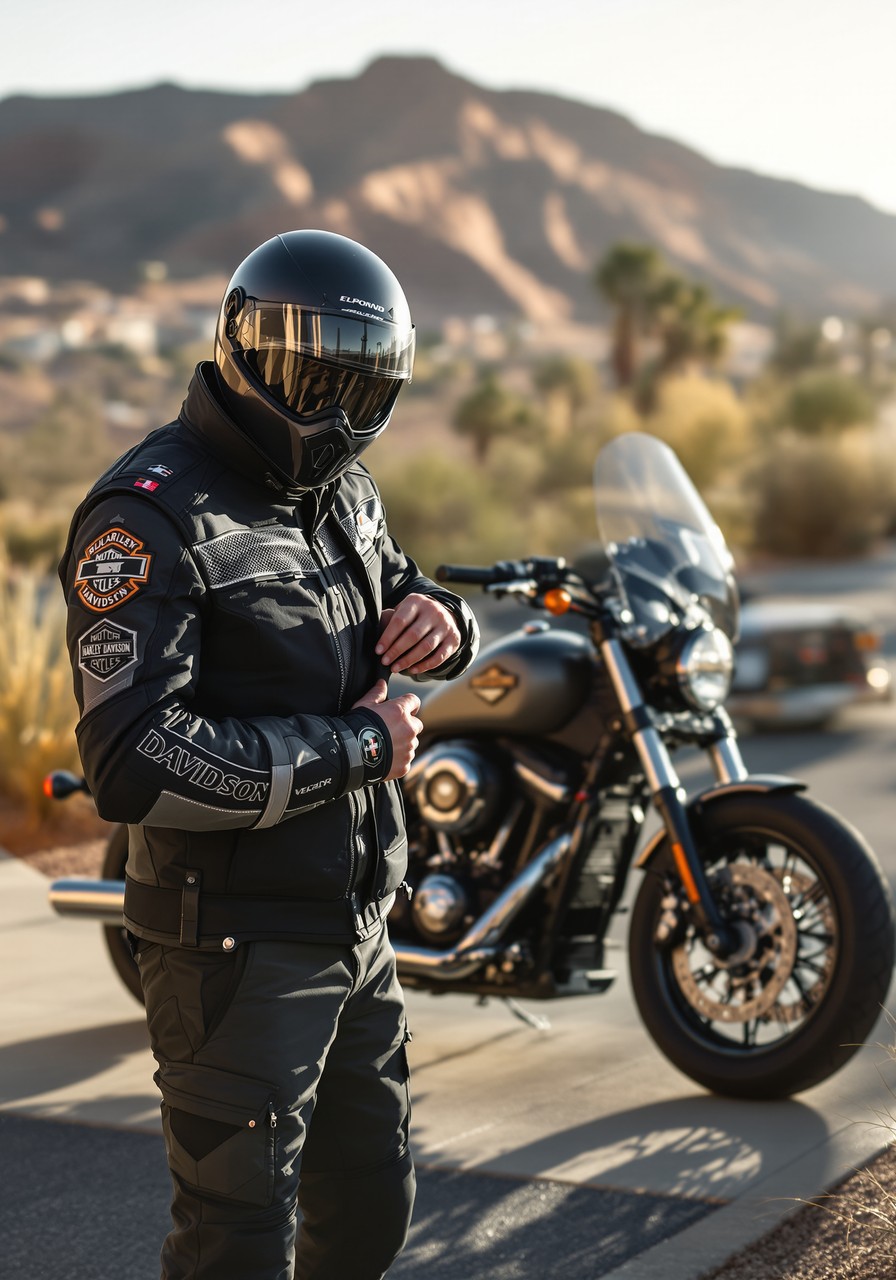
Gloves are not just for comfort. Your hands hit first every time you go down, so ride with armored knuckles and palm sliders. #RideNationNV #ATGATT #GearUp
Safety & NV Law
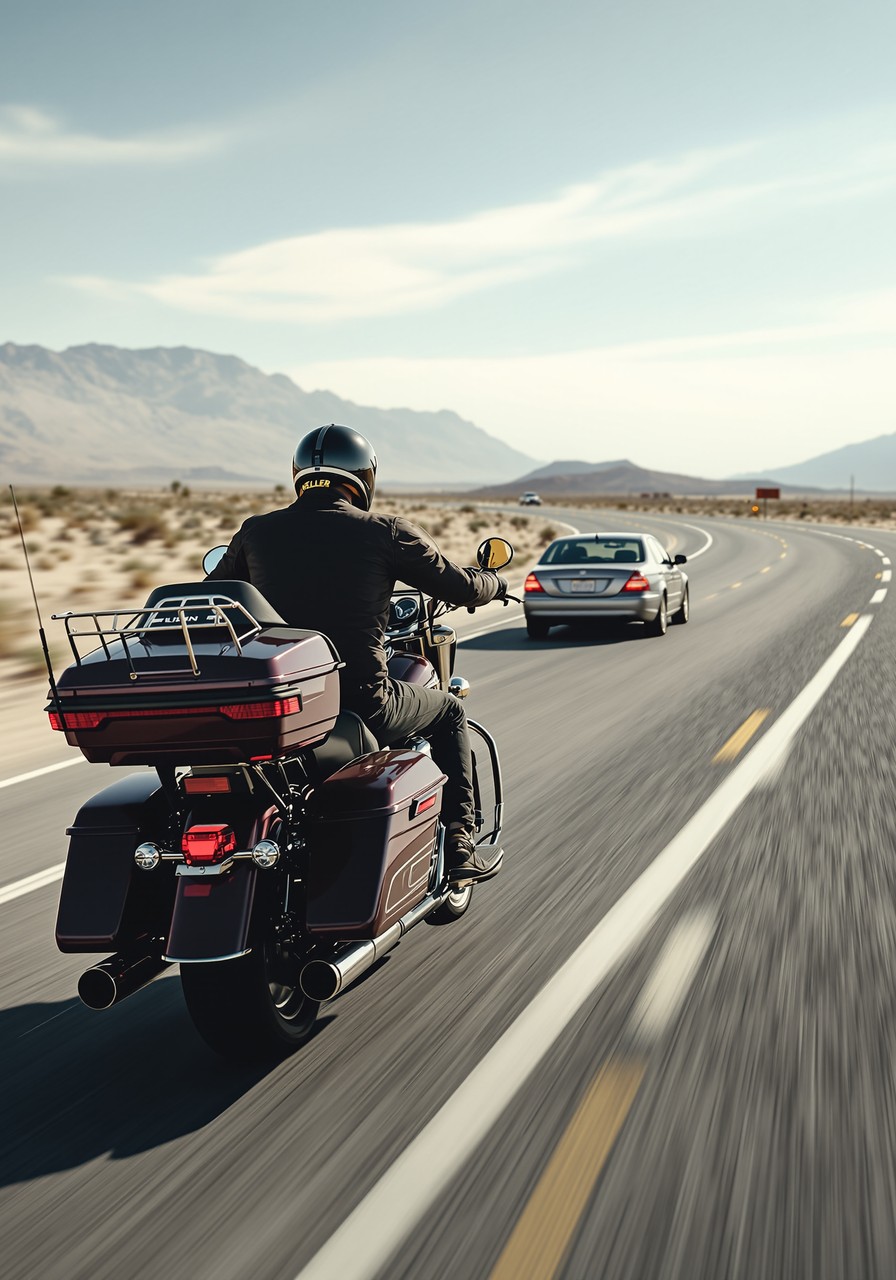
Full gear is not about looking hardcore, it is what stands between your skin and Nevada asphalt at 60. ATGATT, every ride, even the short ones. Went down anyway and need answers? Call Eric Blank Injury Attorneys at (702) 819-0865. #RideNationNV #ATGATT #MotorcycleSafety
Engagement
Poll: when your head needs clearing, is it a solo ride or a group run with the crew? #RideNationNV #RideOrDie #VegasRiders
Giveaway & Countdown
One conversation. One free entry. One shot at $20,000. Call Eric Blank Injury Attorneys at (702) 819-0865. #RideNationNV #BikersWin #DesertRiding
Local NV & Rides
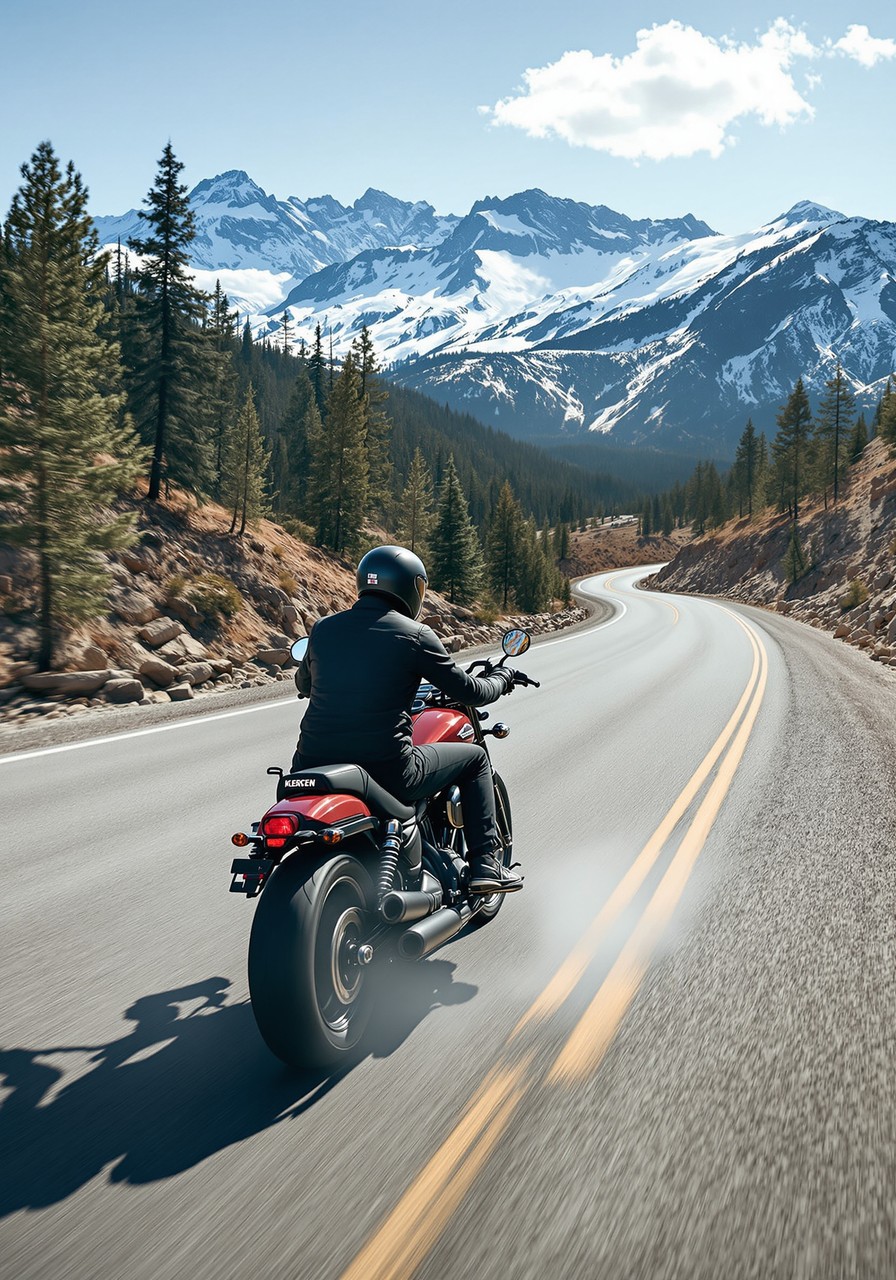
Roll through and say hey at the next Ride Nation Las Vegas bike night. Cool evenings make the winter meetups the best of the year. #RideNationNV #VegasRiders
Gear & New Iron
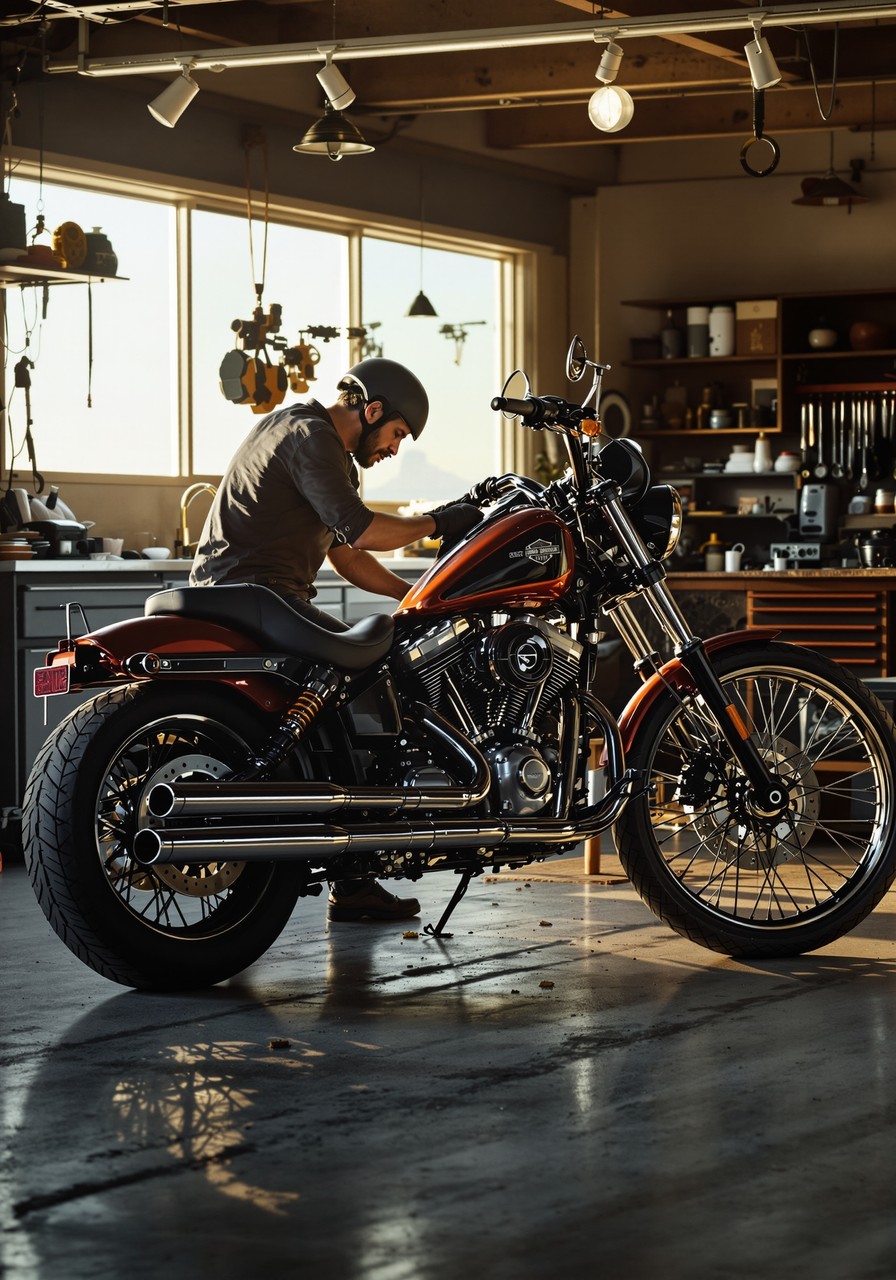
Check the date code on your tires, not just the tread. Rubber older than five or six years goes hard and hollow in this heat no matter how deep the grooves look. #RideNationNV #MotorcycleMaintenance #RiderTips
Safety & NV Law
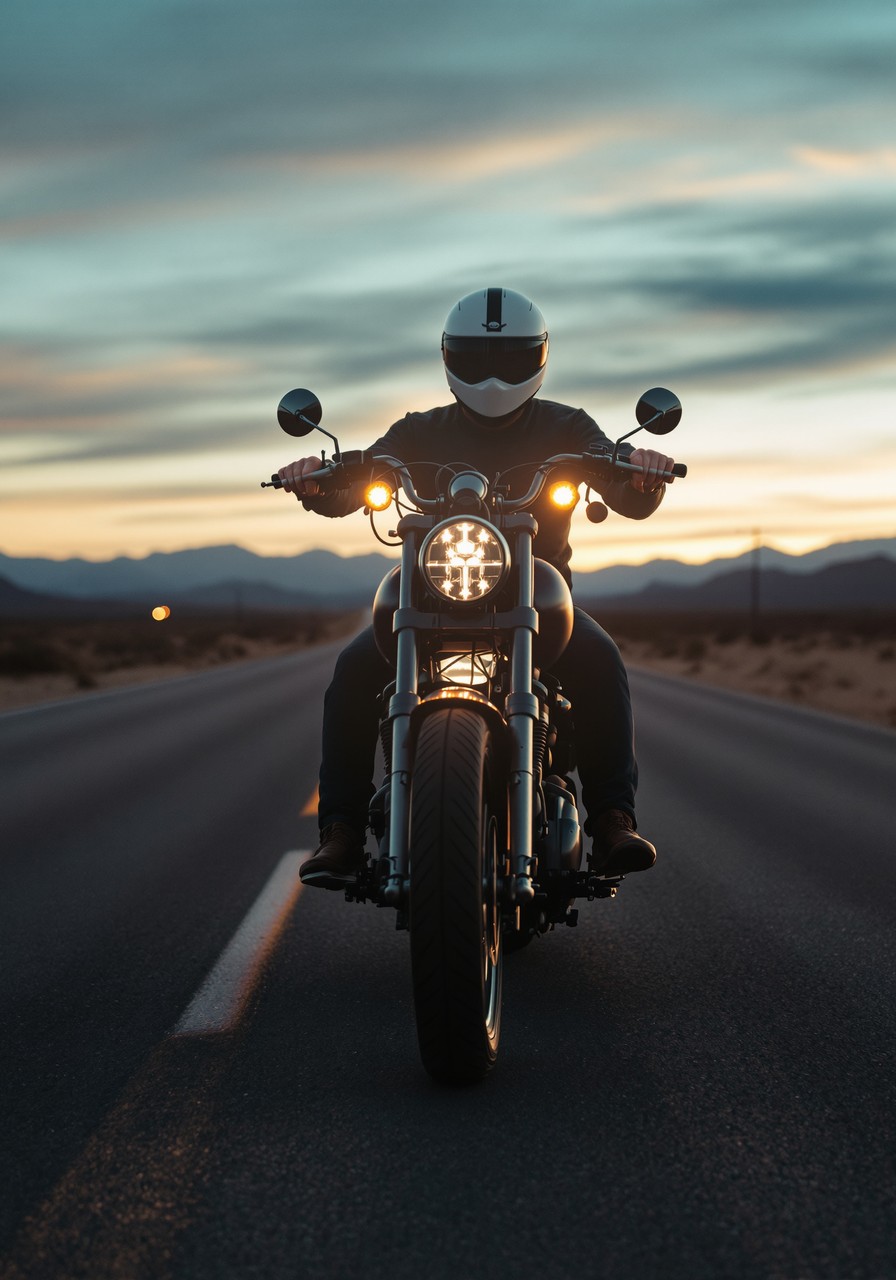
After a crash, say little to the other driver's insurer and write down what you remember while it is fresh: speed, lights, lane, weather, and who said what. Details fade, claims do not wait. Talk it through with Eric Blank Injury Attorneys at (702) 819-0865. #RideNationNV #RiderRights #KnowYourRights
Engagement
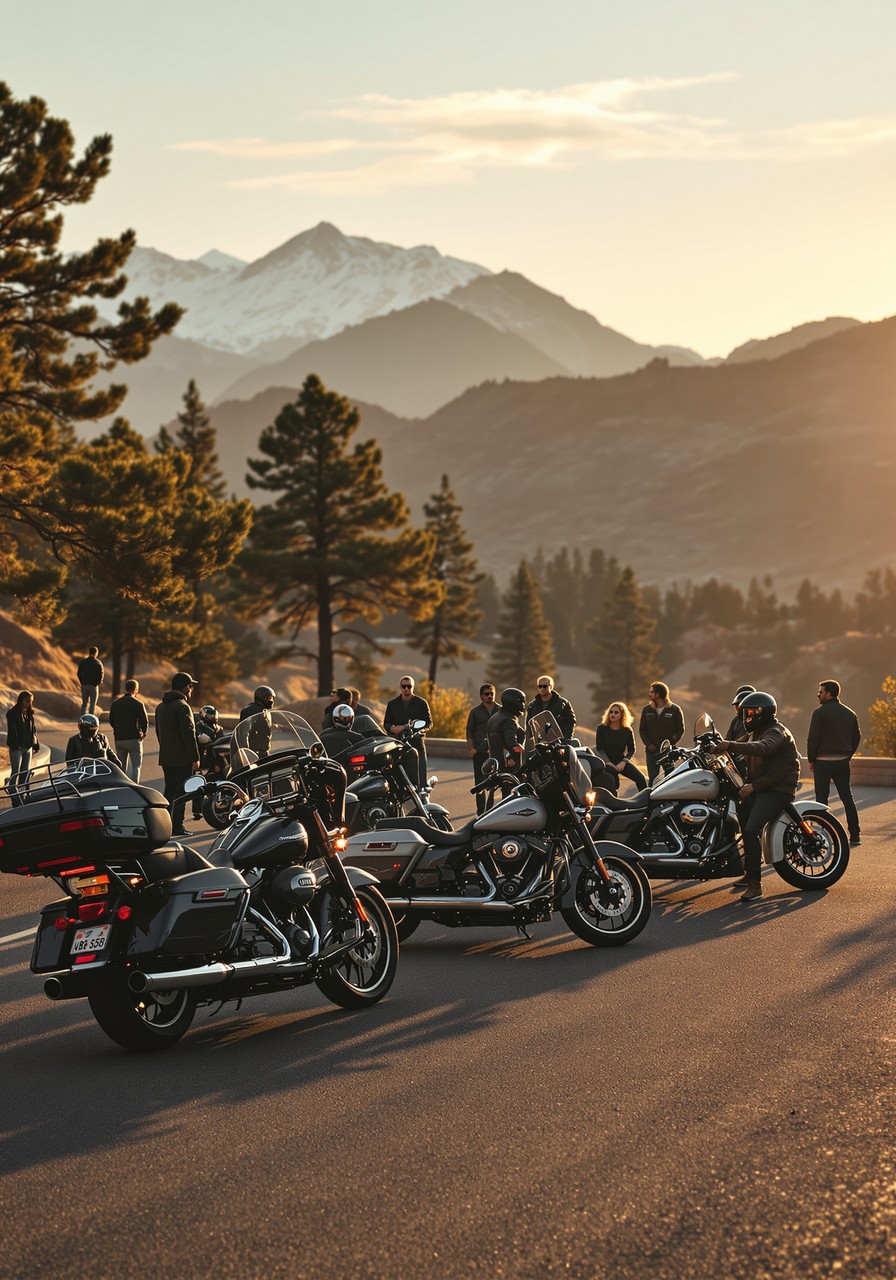
Fill in the blank: You know it is Vegas winter riding season when ______. #RideNationNV #VegasRiders #DesertRiding
Giveaway & Countdown
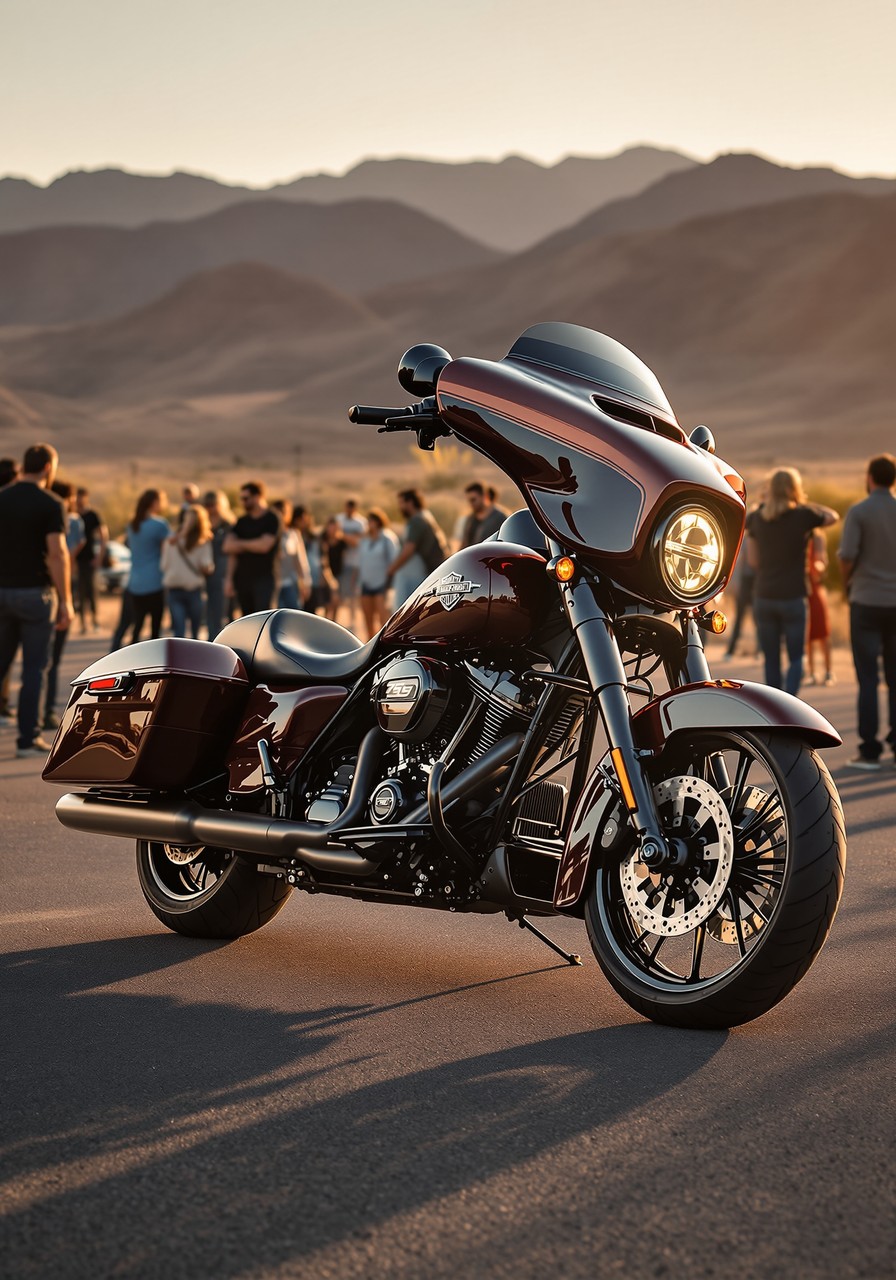
Countdown is on, Vegas. Twenty thousand reasons to tag a riding buddy and get them in on it. #RideNationNV #MotorcycleGiveaway #VegasRiders
Local NV & Rides
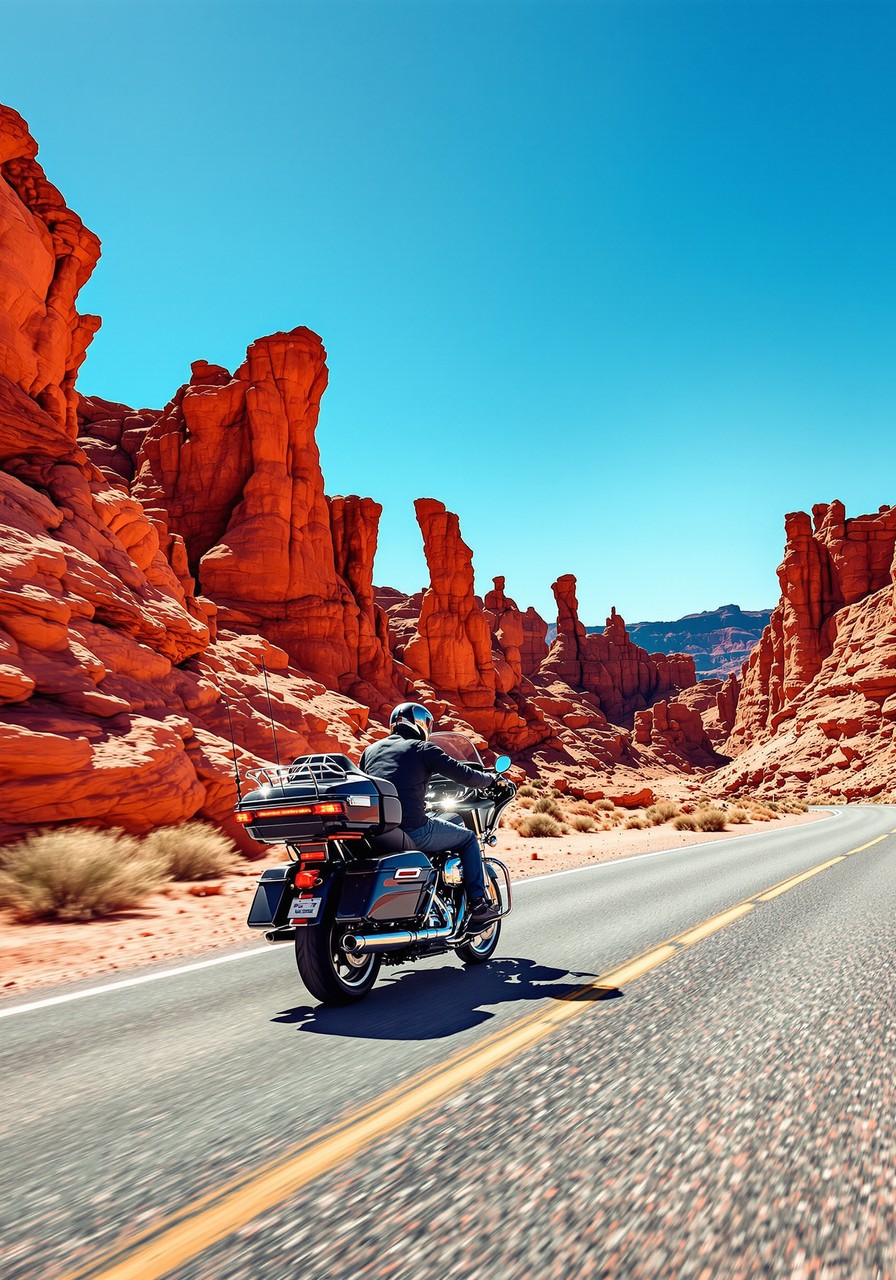
December in the valley means year-round riding while half the country is parked. Do not take our winters for granted. #RideNationNV #DesertRiding #NevadaRiders
Gear & New Iron
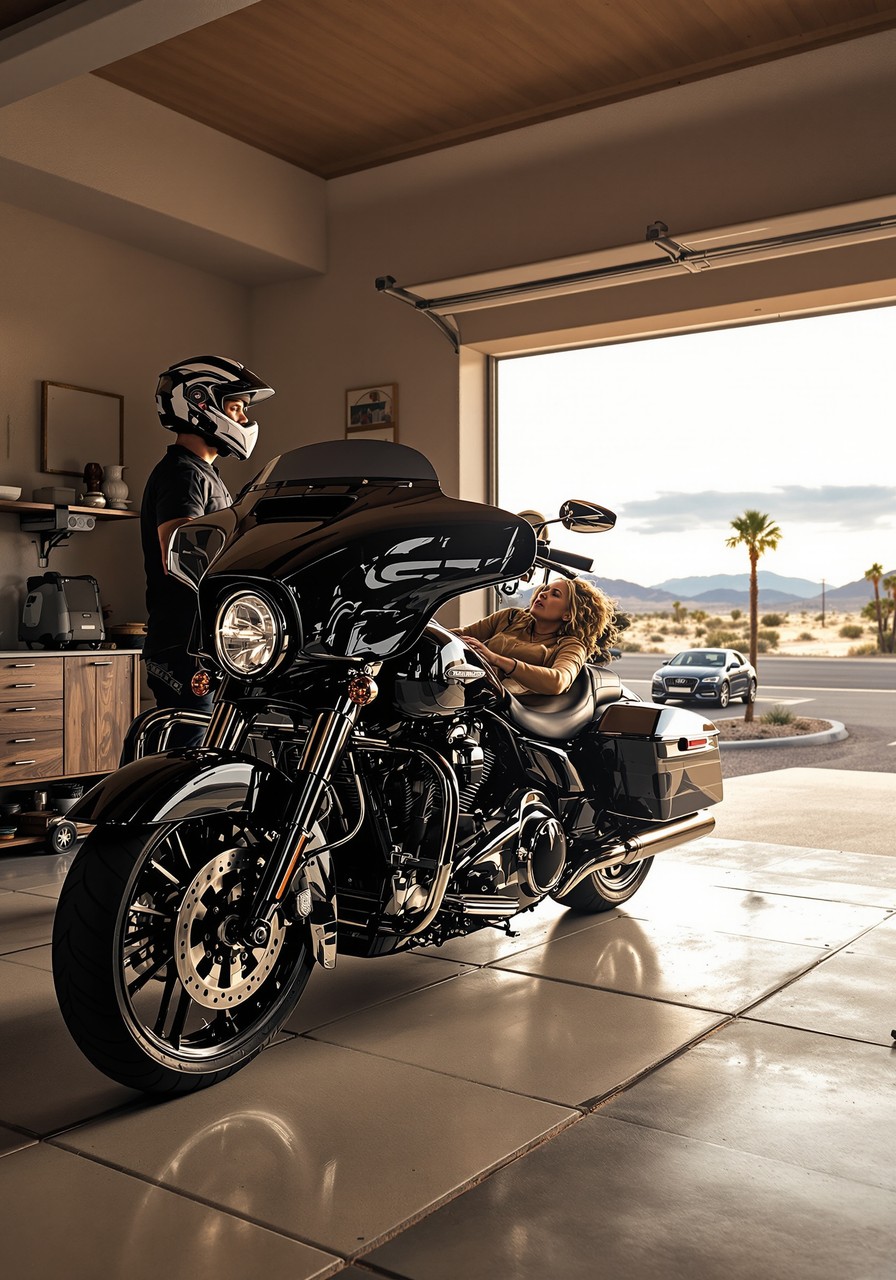
Hot pavement means high pressure. Set your tire PSI cold to spec and let the desert heat do the rest, do not bleed it down in a parking lot. #RideNationNV #MotorcycleMaintenance #DesertRiding
Safety & NV Law
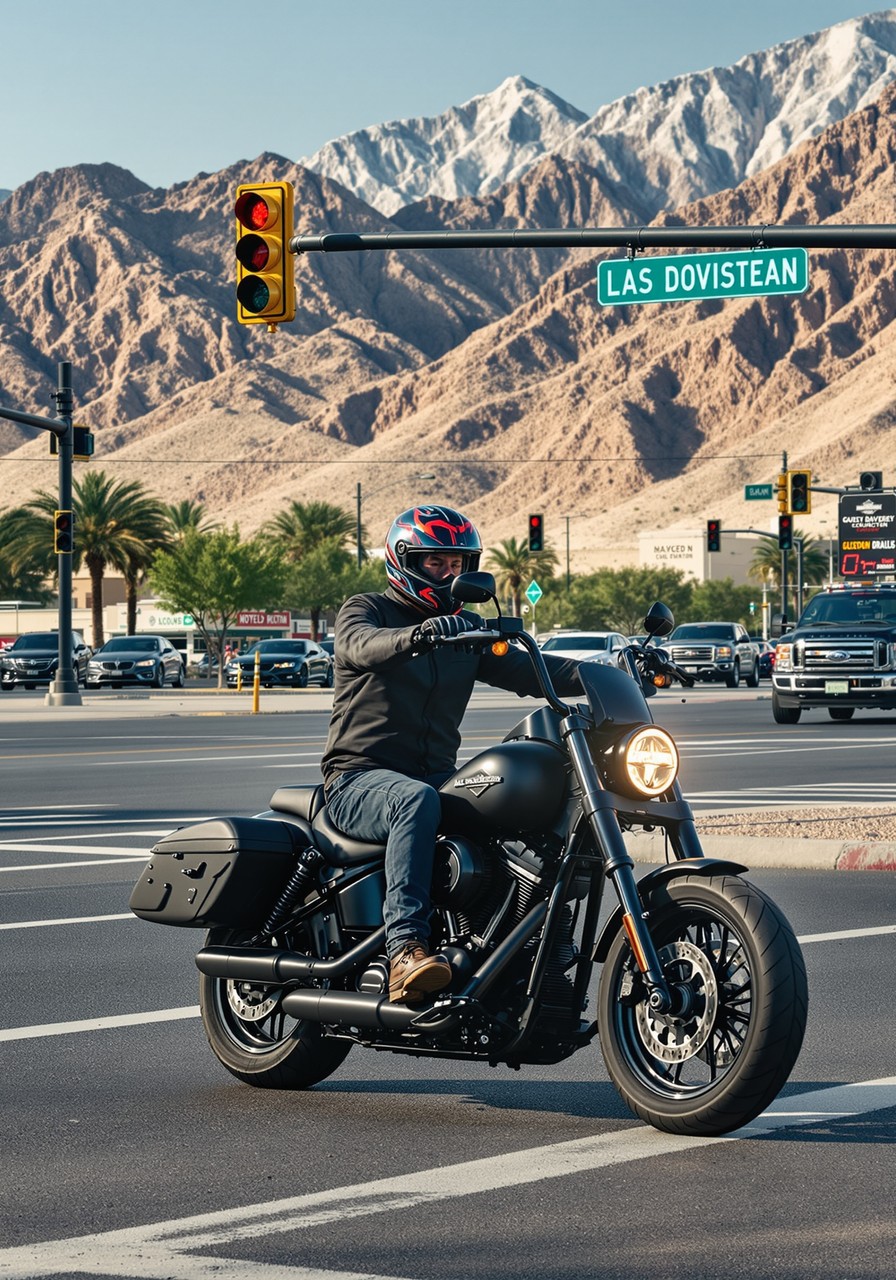
Nevada's 51 percent bar cuts both ways: even if you share some blame, you can still recover as long as you are not more than half at fault. Do not let an adjuster talk you out of a valid claim. Free case review at ericblanklaw.com. #RideNationNV #RiderRights #KnowYourRights
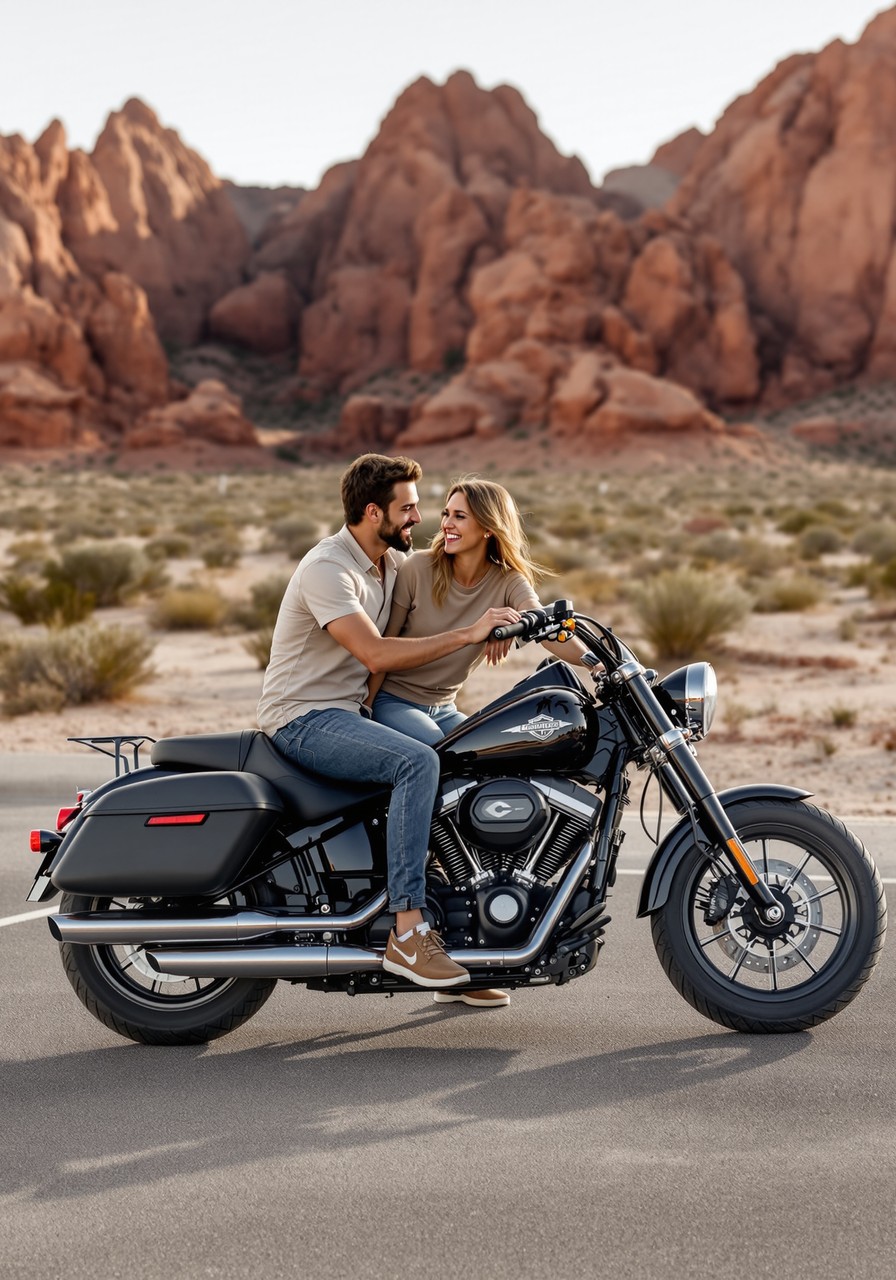
Engagement
Favorite throwback: the very first bike you ever owned. Drop a pic if you have one. #RideNationNV #TwoWheels #NevadaRiders
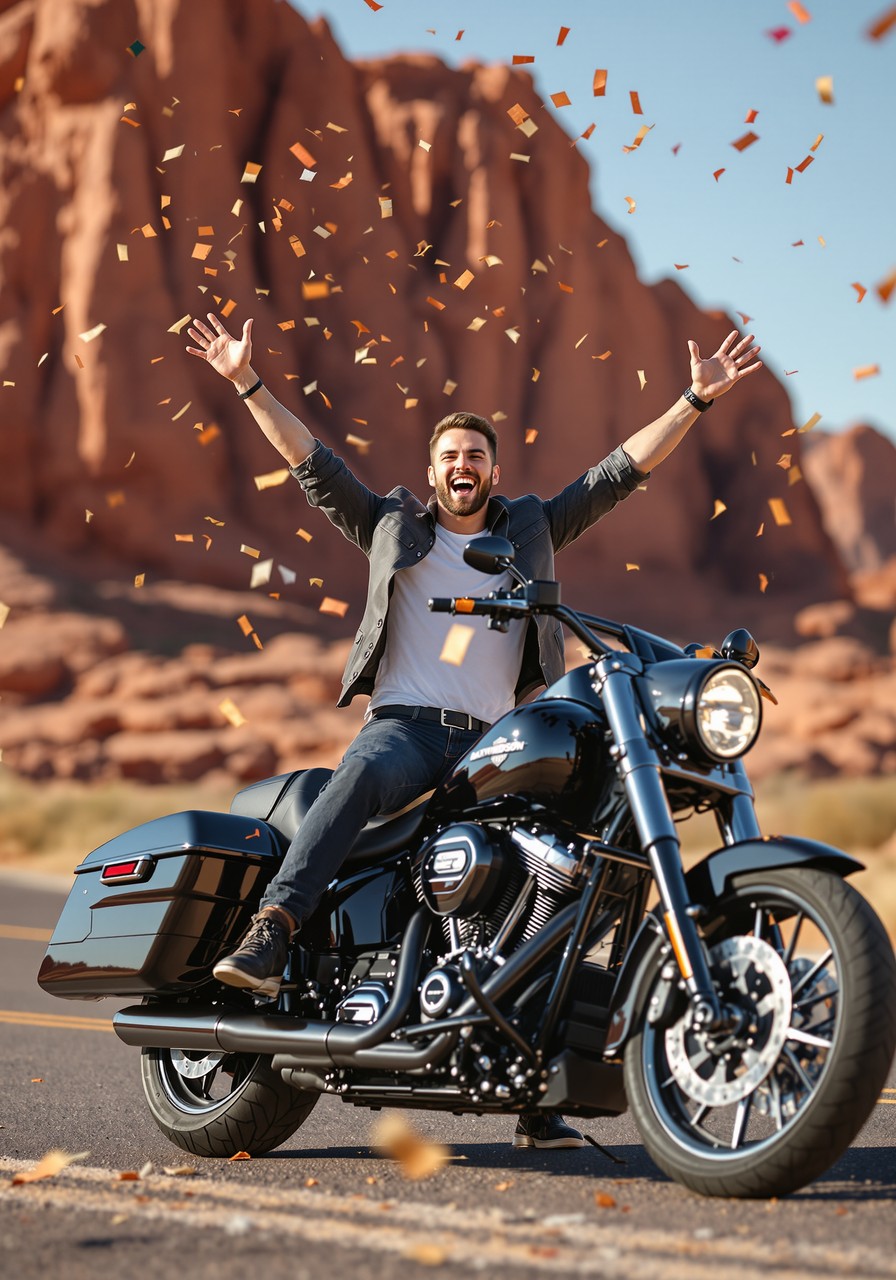
Giveaway & Countdown
The BikersWin $20,000 giveaway is heating up. Who are you riding with when you win? #RideNationNV #BikersWin #20kGiveaway
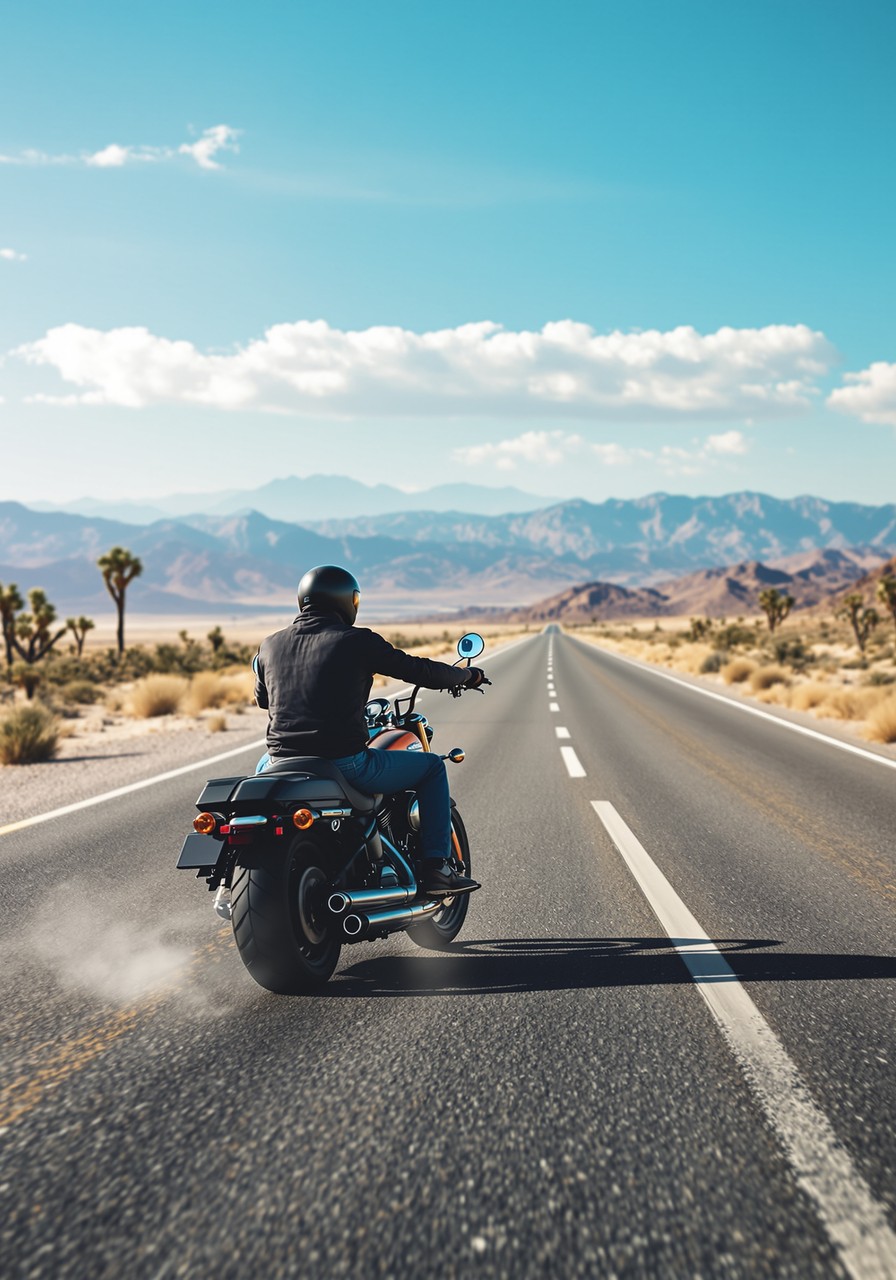
Local NV & Rides
Chase the sunrise on the Red Rock Loop before the day warms up. Winter mornings are cold enough for good gear, so layer up. #RideNationNV #RedRockCanyon #MountCharleston
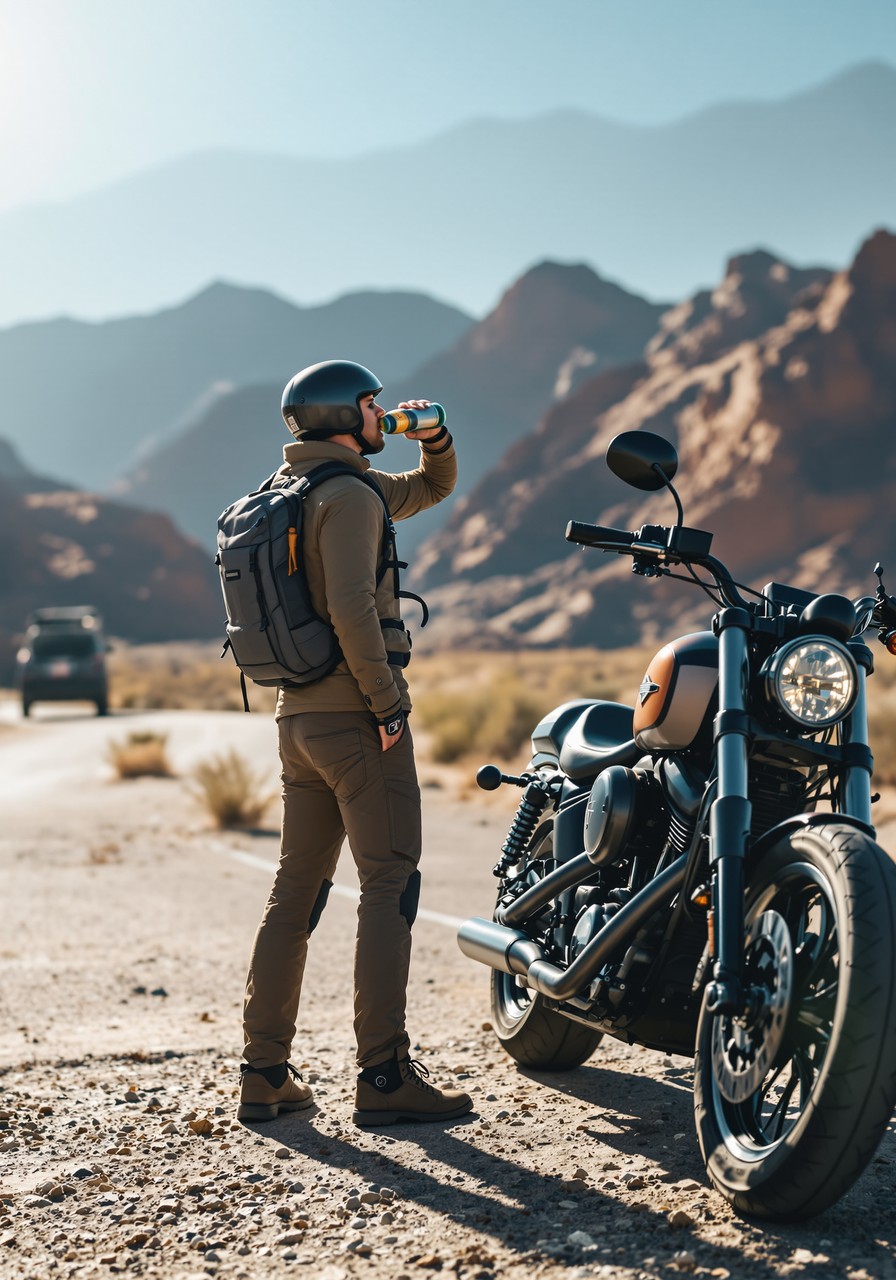
Gear & New Iron
Penny test, or better yet a tread gauge. Bald tires and 110 degree asphalt are a bad first date. #RideNationNV #MotorcycleMaintenance #RiderTips
Safety & NV Law
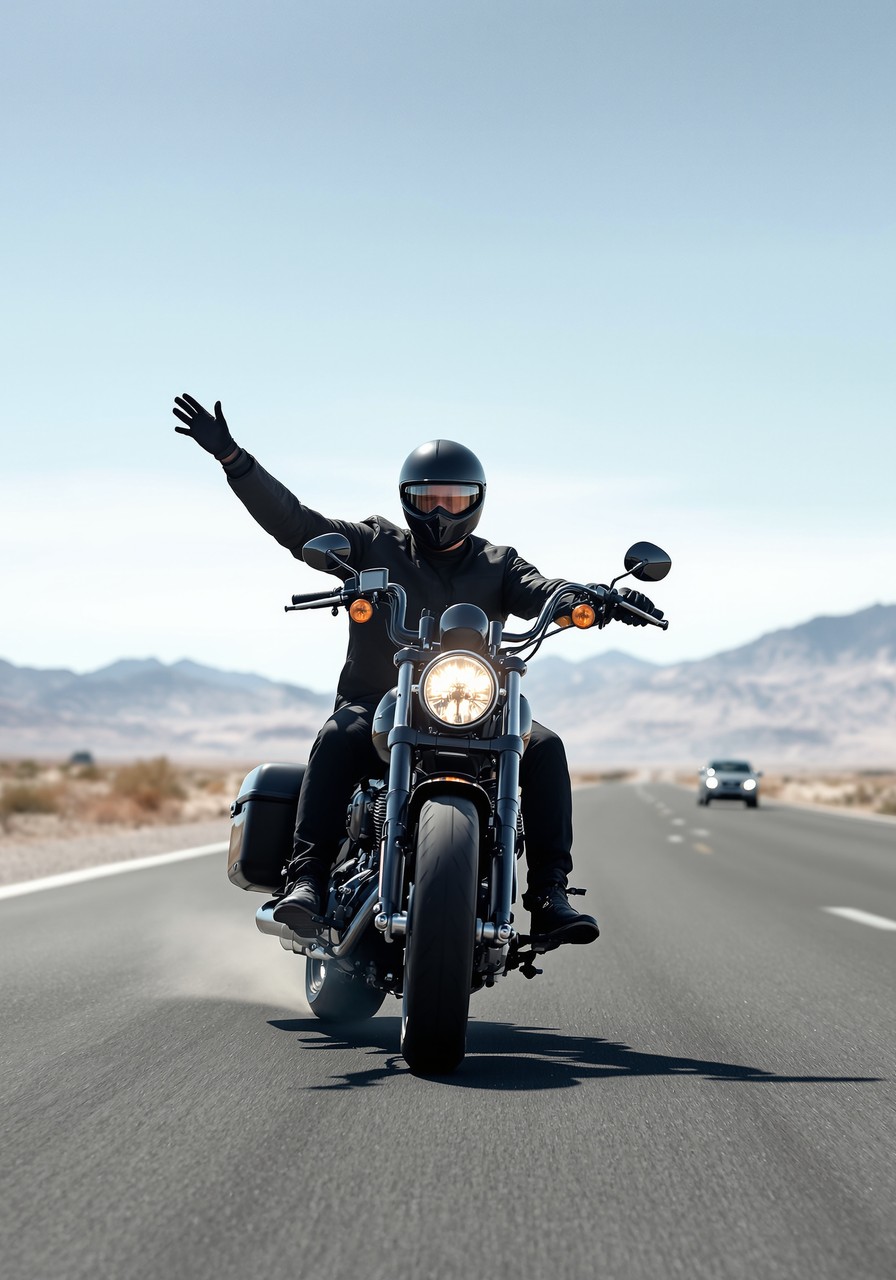
No PIP in Nevada means no automatic medical payments after your wreck. Your health insurance, any MedPay, and the at-fault driver's liability carry the load, and UM/UIM backs you up. Learn how it fits together at ericblanklaw.com. #RideNationNV #NevadaRiders #KnowYourRights
Engagement
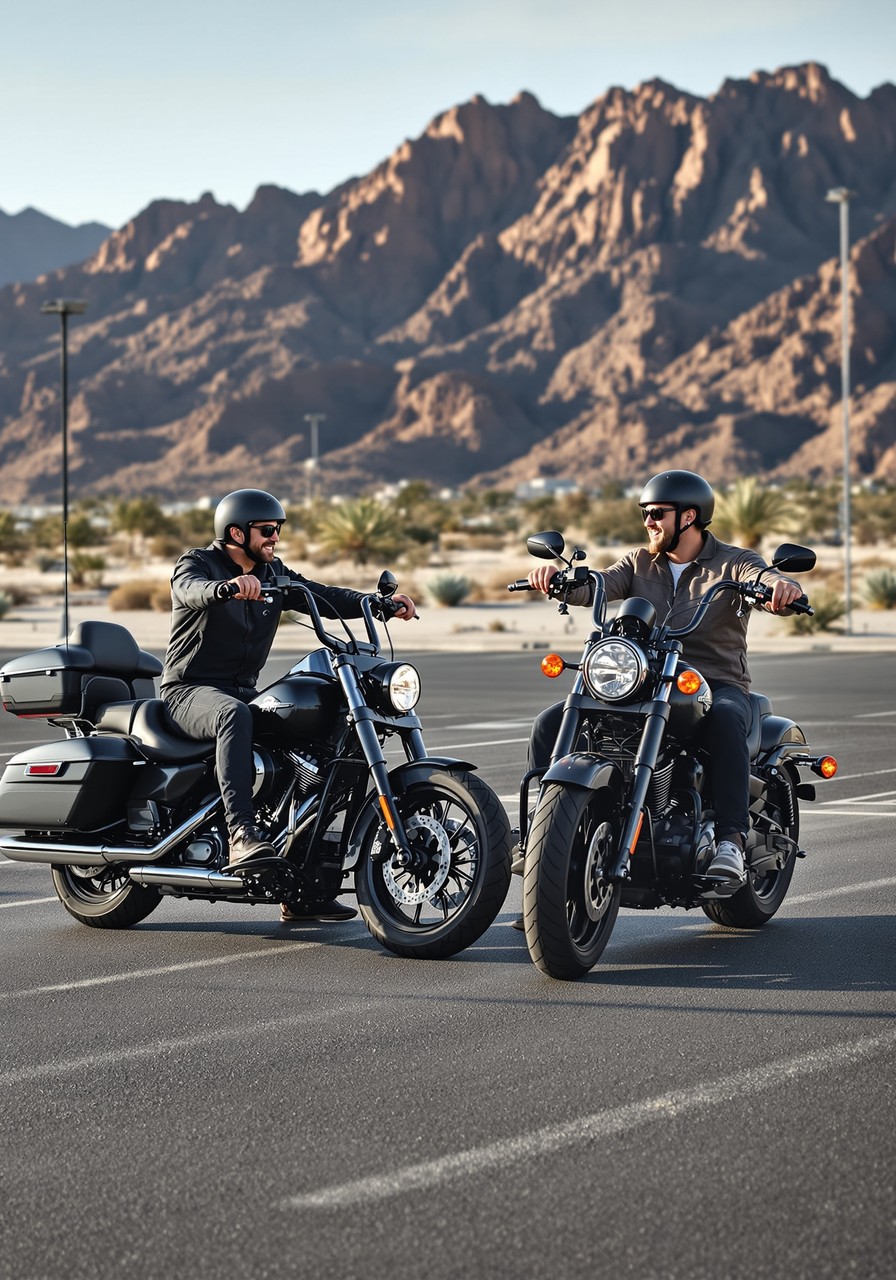
This or that: the twisties up Kyle Canyon or wide-open desert straights. Pick your poison. #RideNationNV #MountCharleston #DesertRiding
Giveaway & Countdown
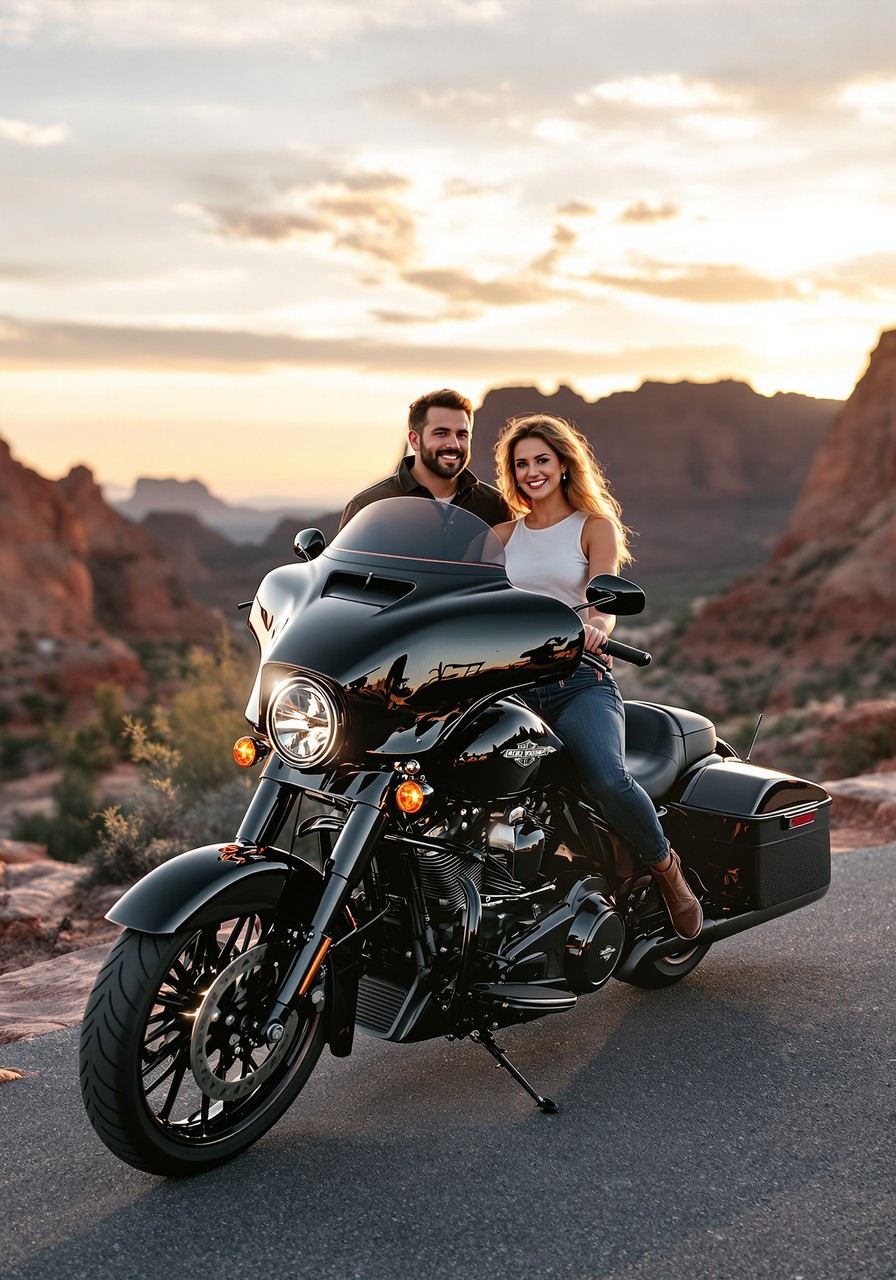
Spread the word, Ride Nation. Every rider in the crew deserves a shot at $20K. #RideNationNV #MotorcycleGiveaway #NevadaRiders
Local NV & Rides
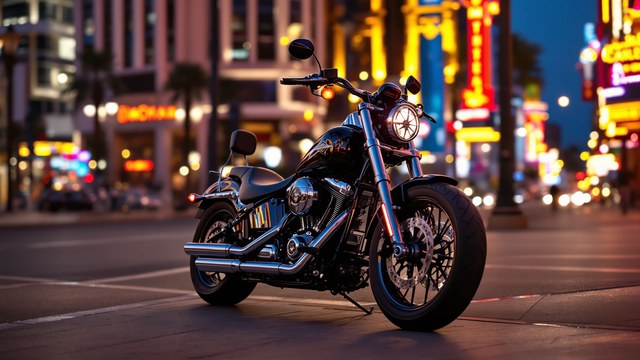
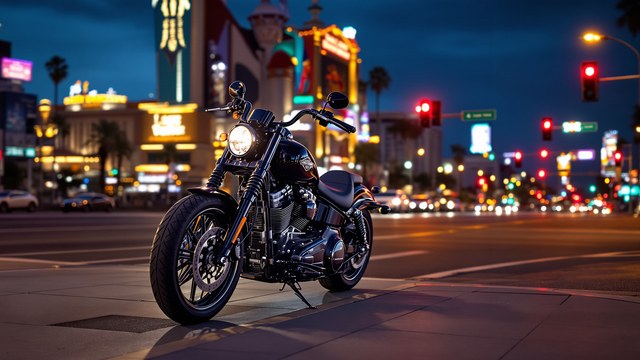
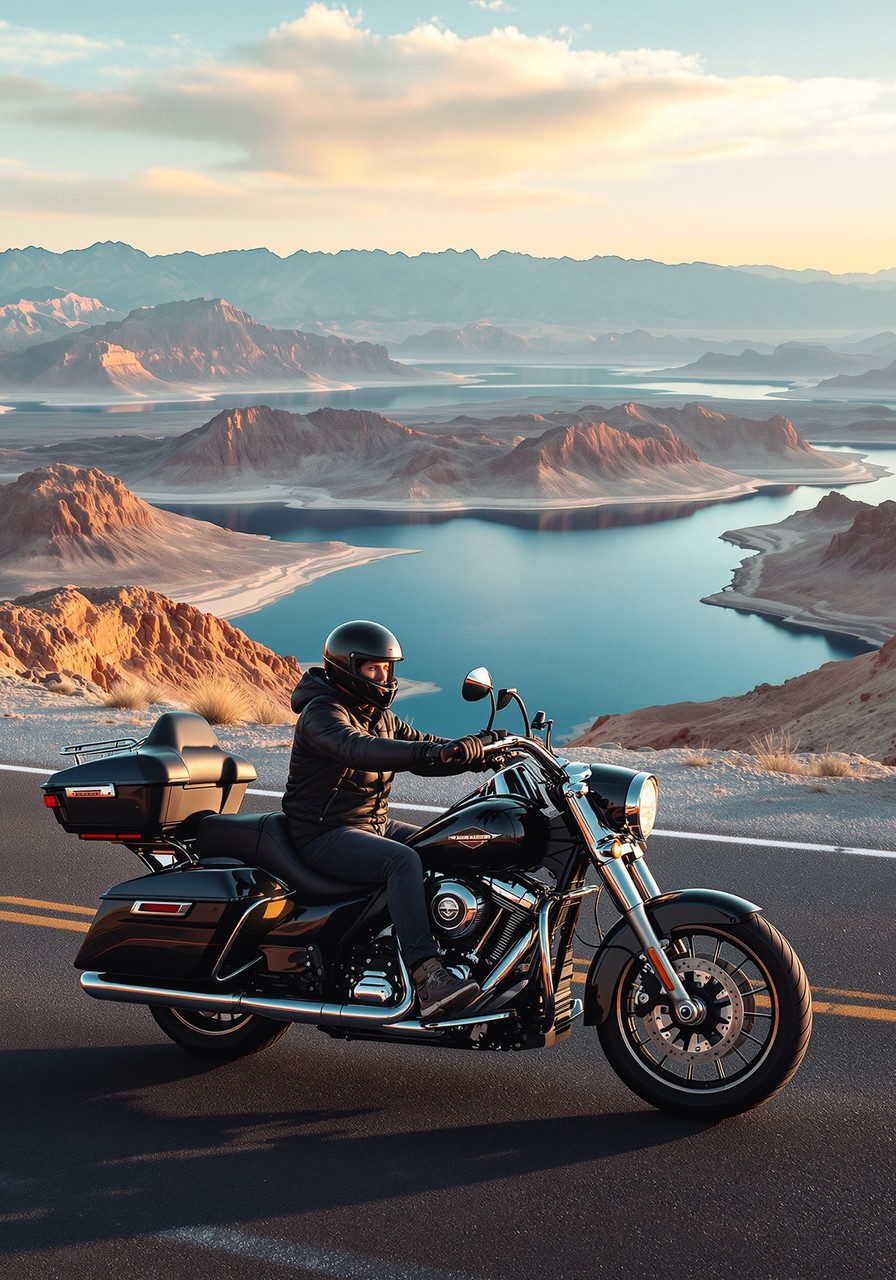
The Strip after dark on a cool night is a Vegas rite of passage. Watch the rideshares stopping without warning and the pedestrians everywhere. #RideNationNV #VegasRiders
Gear & New Iron
Desert sand eats chains. Wipe the grit off, clean and lube regularly, and check your slack so it does not cost you a sprocket. #RideNationNV #MotorcycleMaintenance #DesertRiding
Safety & NV Law
Two years. That is your window to file a personal injury claim after a Nevada crash, and evidence gets harder to find every month you wait. Start early. Free case review at ericblanklaw.com. #RideNationNV #RiderRights #NevadaRiders
Engagement
What is on your winter garage project list this year? Trade ideas below. #RideNationNV #TwoWheels #VegasRiders
Giveaway & Countdown
Picture it now. New bike, open desert road, twenty grand well spent. #RideNationNV #20kGiveaway #DesertRiding
Local NV & Rides
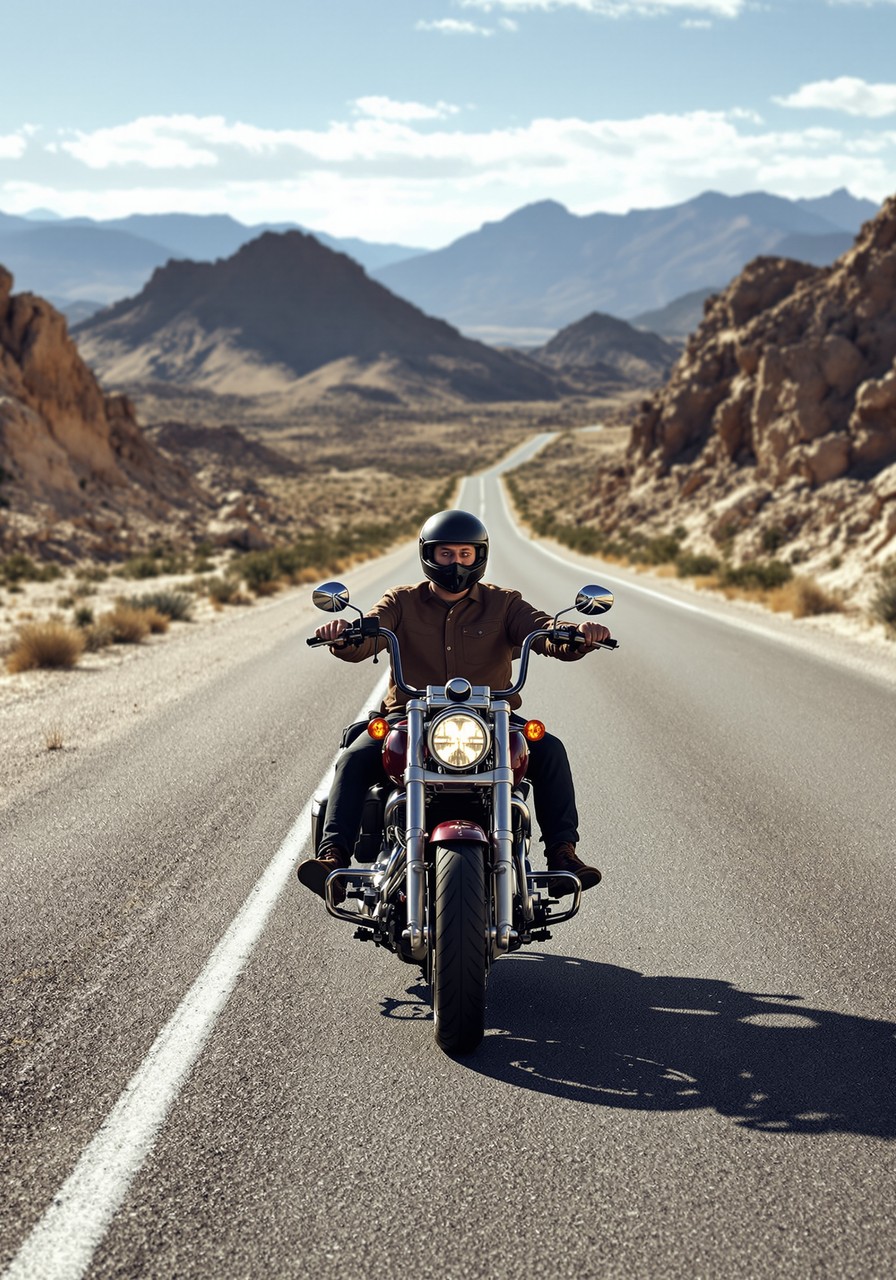
Cool clear desert days in January are exactly why we live here. Point it at Valley of Fire and take the long way home. #RideNationNV #ValleyOfFire #DesertRiding
Gear & New Iron
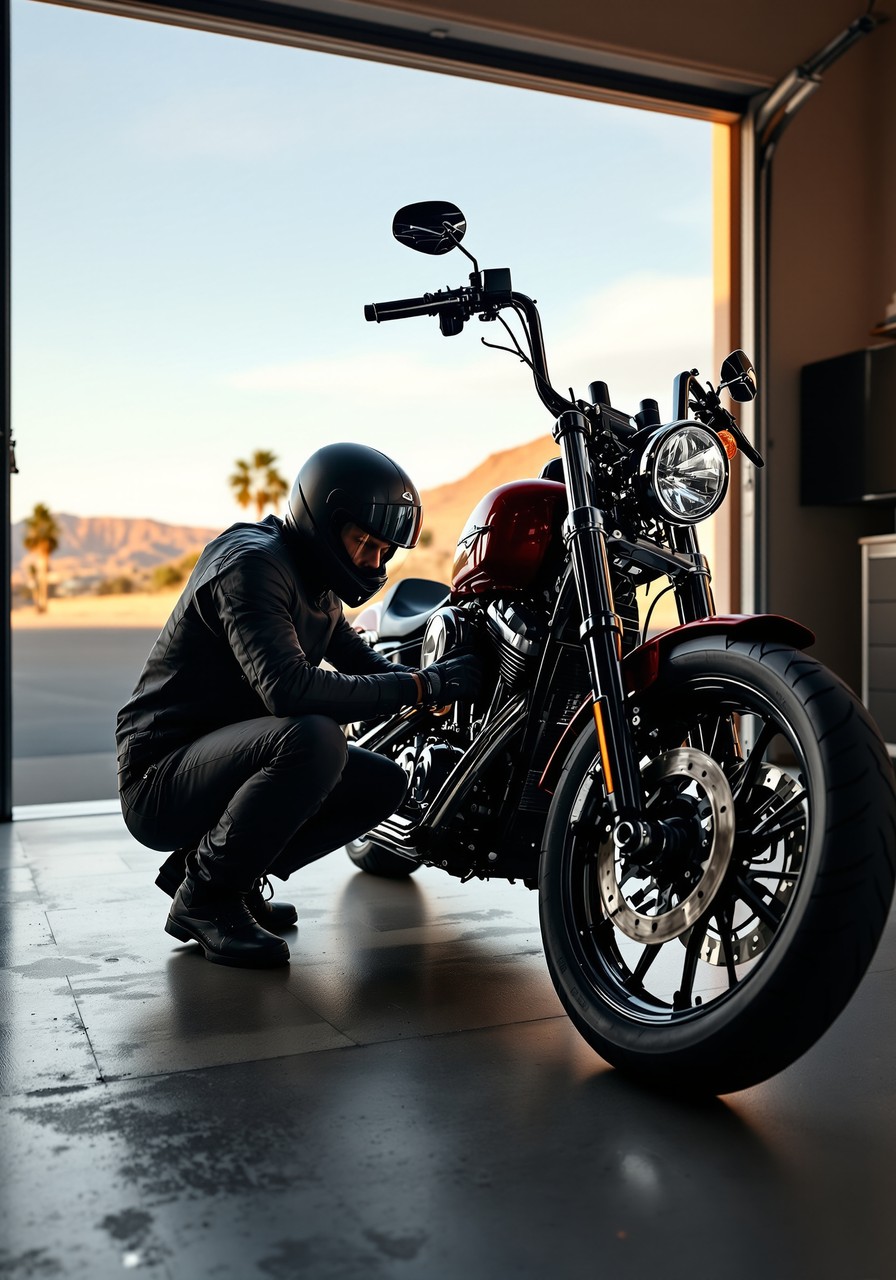
Fine dust gets everywhere out here. Keep your tires and rims clean of sand so nothing hides a slow leak or a cracked bead. #RideNationNV #MotorcycleMaintenance #DesertRiding
Safety & NV Law
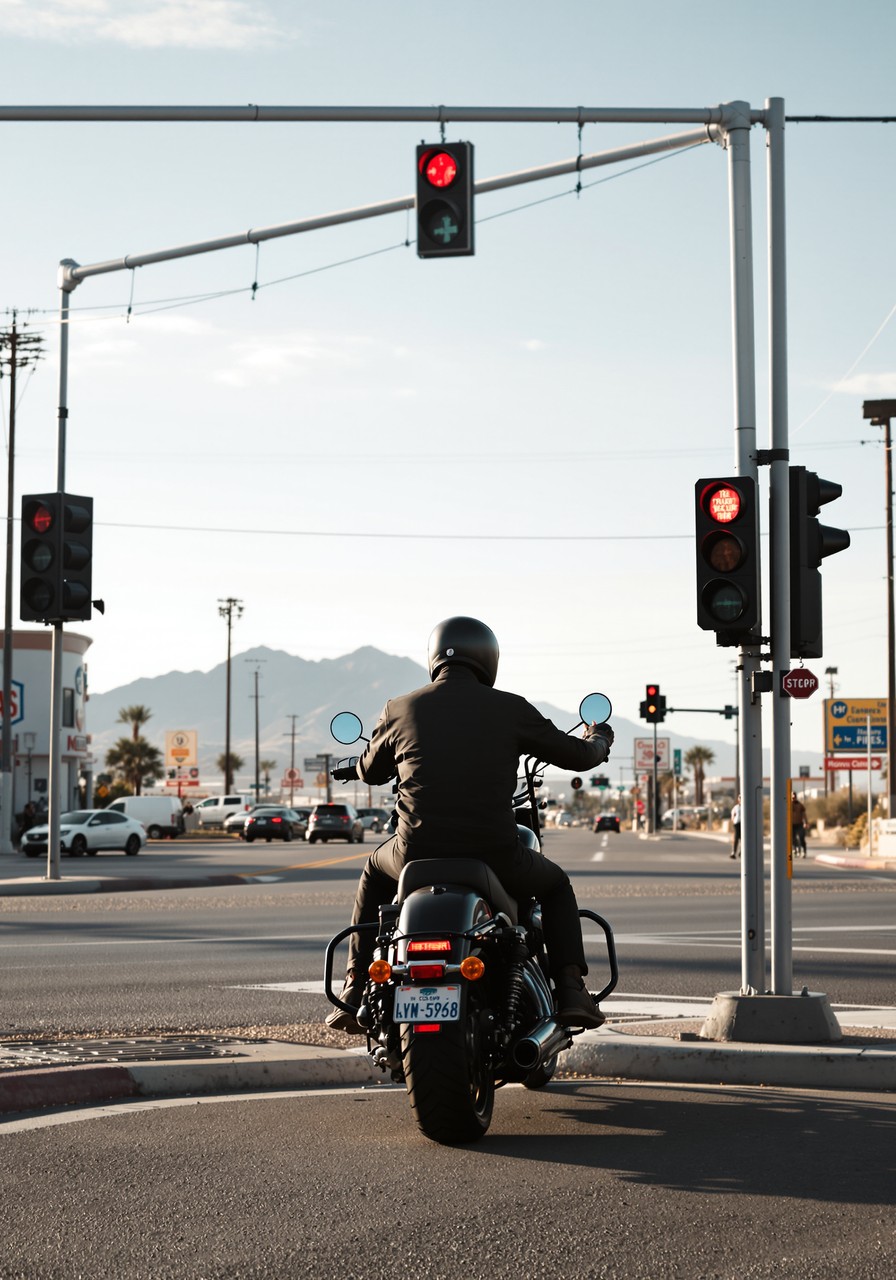
Your phone is your best witness at a crash scene. Photograph both bikes and cars, the plates, the road, the signals, and any injuries before anything moves. That folder can carry your whole claim. #RideNationNV #MotorcycleSafety #RiderRights
Engagement
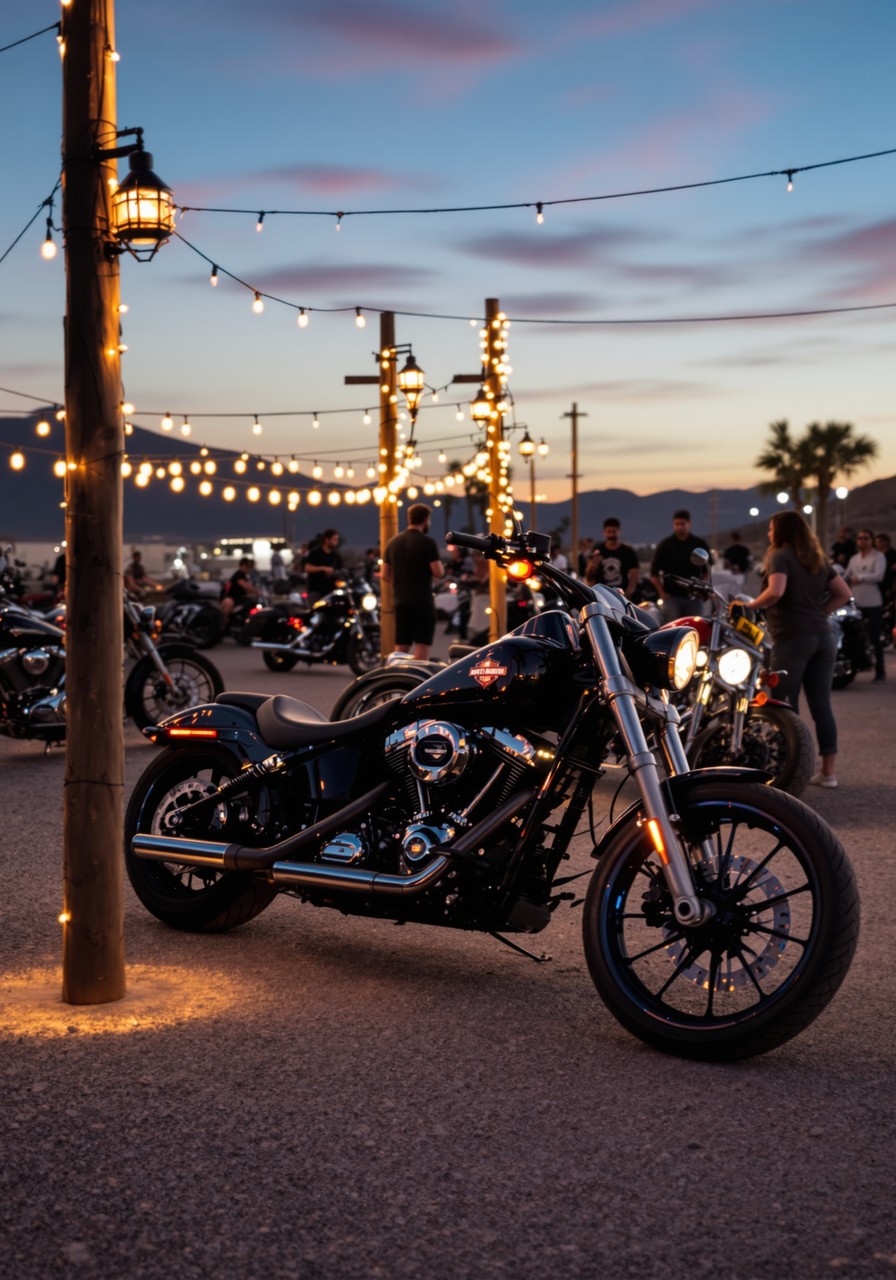
Tag your riding mentor. The one who taught you more than any class ever did. #RideNationNV #RideOrDie #NevadaRiders
Giveaway & Countdown
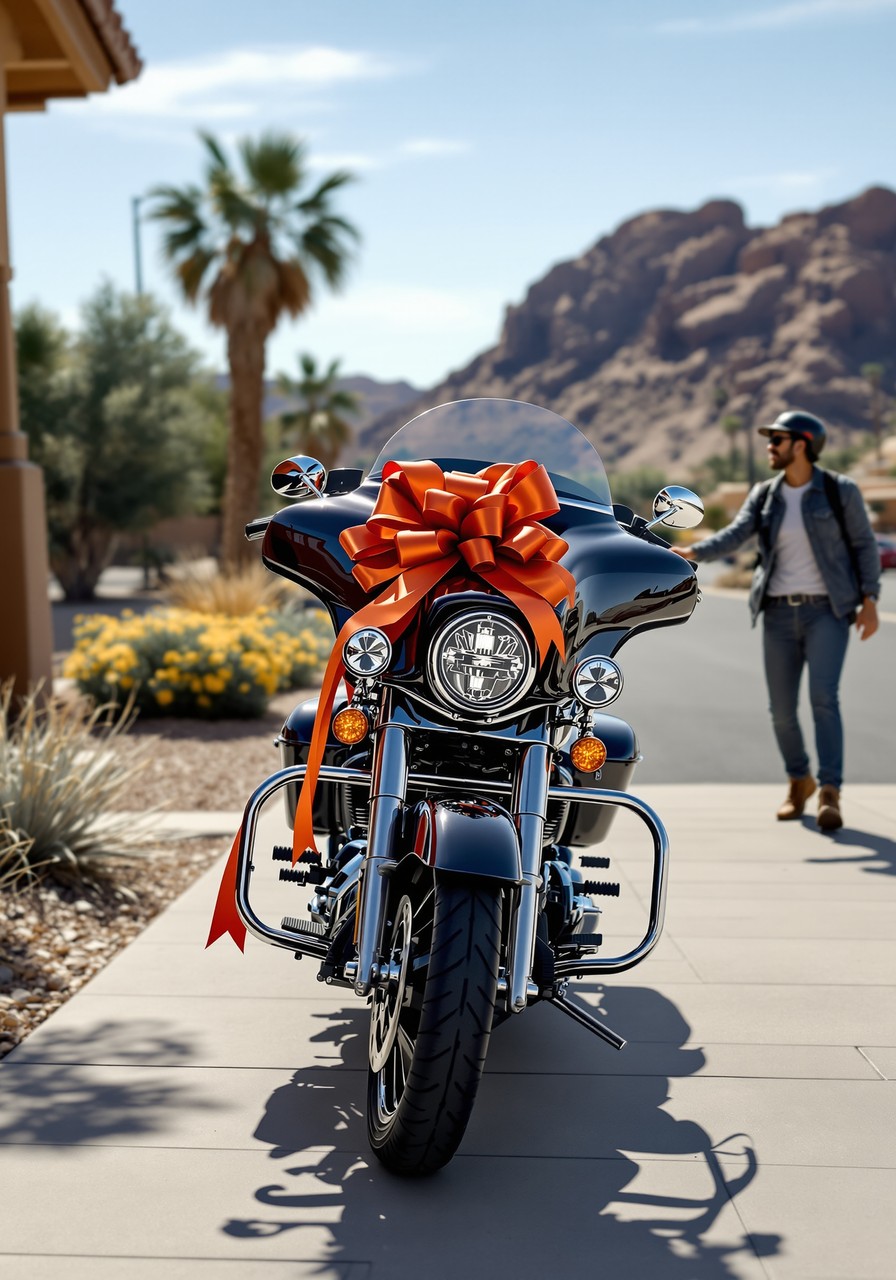
Tag a friend who rides. Get them counted in the BikersWin giveaway. #RideNationNV #BikersWin #VegasRiders
Local NV & Rides
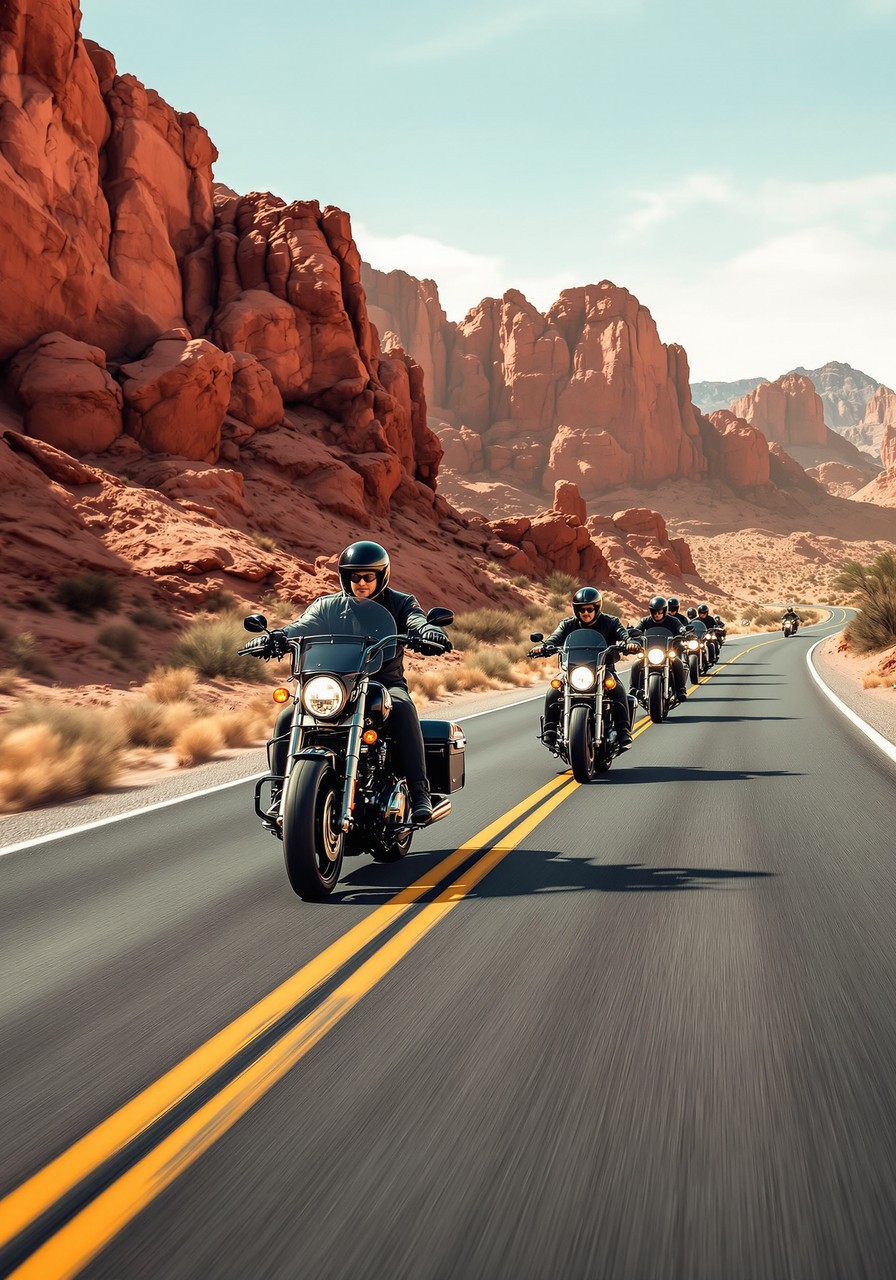
Northshore Road plus a loop up toward Valley of Fire makes a full winter day out. Pack water even when it is cold, the desert still pulls it out of you. #RideNationNV #LakeMead #ValleyOfFire
Gear & New Iron
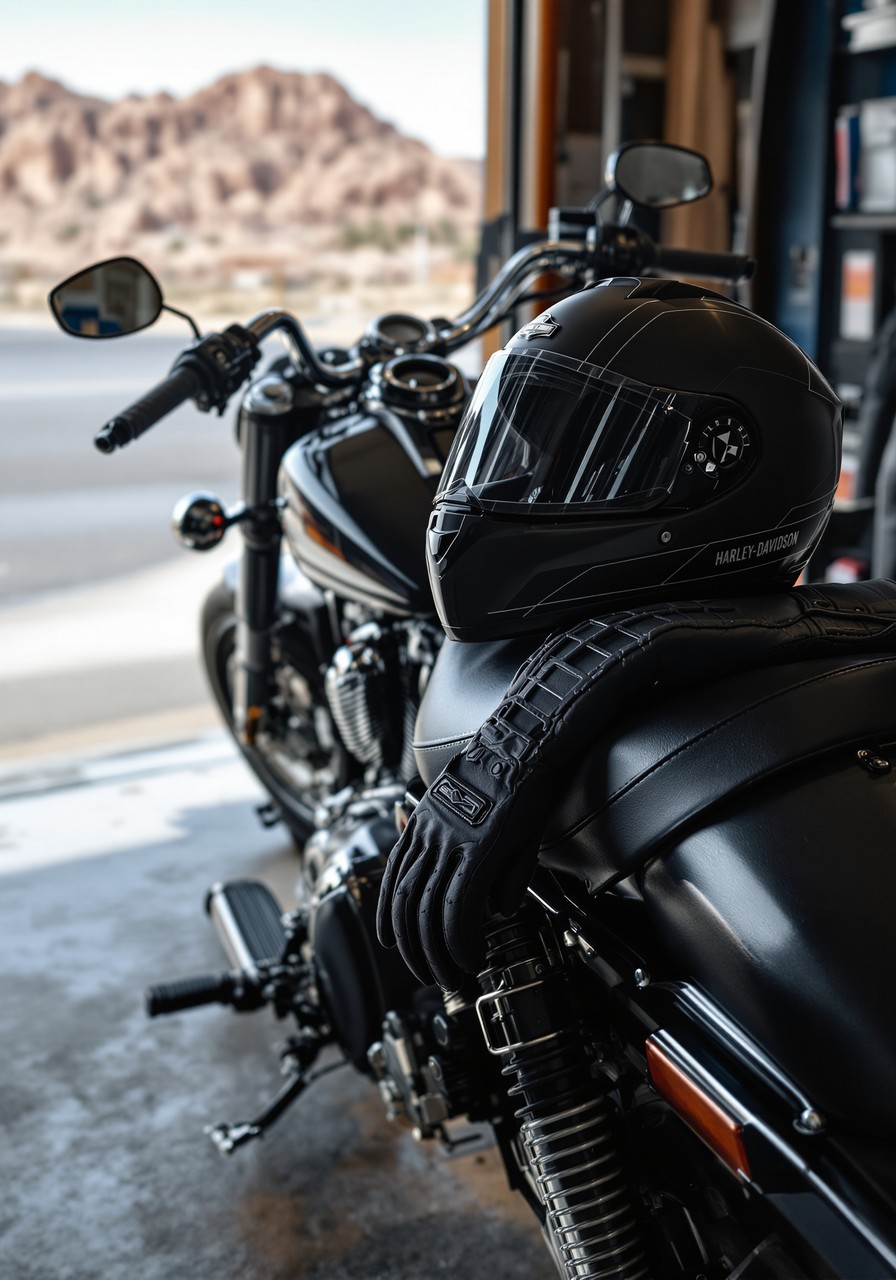
Heat is hard on batteries. Check the terminals, keep them clean and tight, and put it on a tender when the bike sits in the garage oven. #RideNationNV #MotorcycleMaintenance #RiderTips
Safety & NV Law
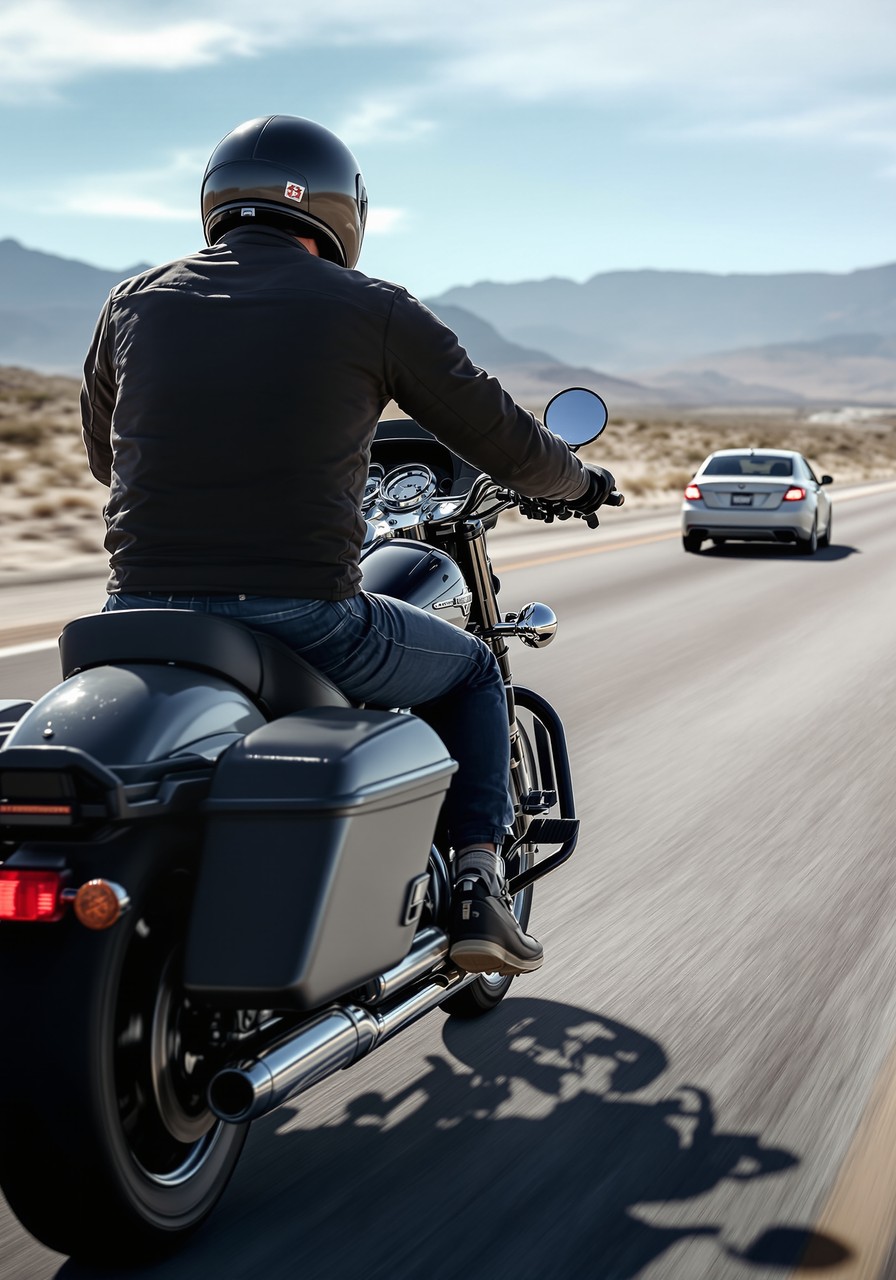
DOT helmet on every head, every ride, is Nevada law for a reason. It will not stop a bad driver, but it is the single biggest thing you control in a crash. #RideNationNV #ATGATT #MotorcycleSafety
Engagement
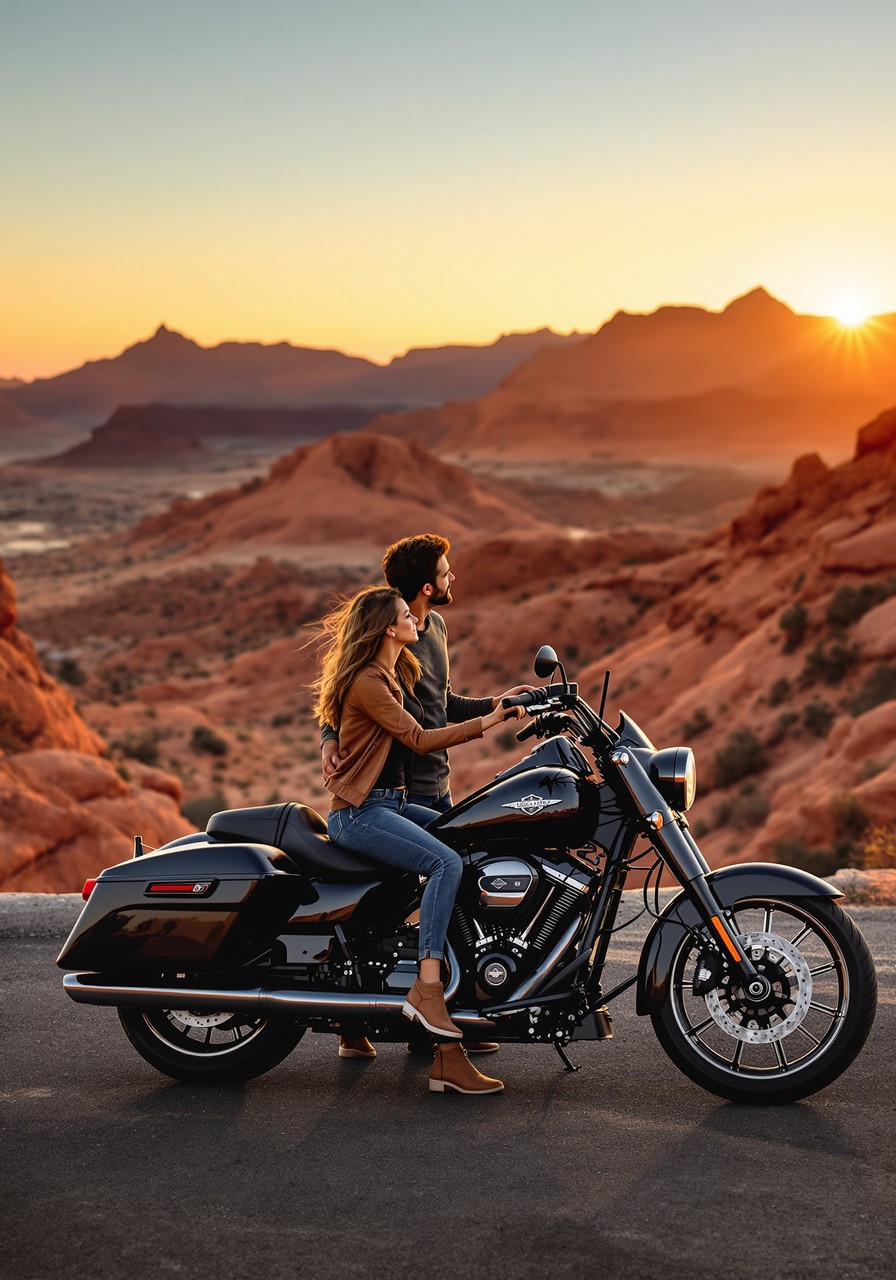
Caption this: your dash reading a perfect 60 degrees on a January morning. #RideNationNV #VegasRiders #DesertRiding
Giveaway & Countdown
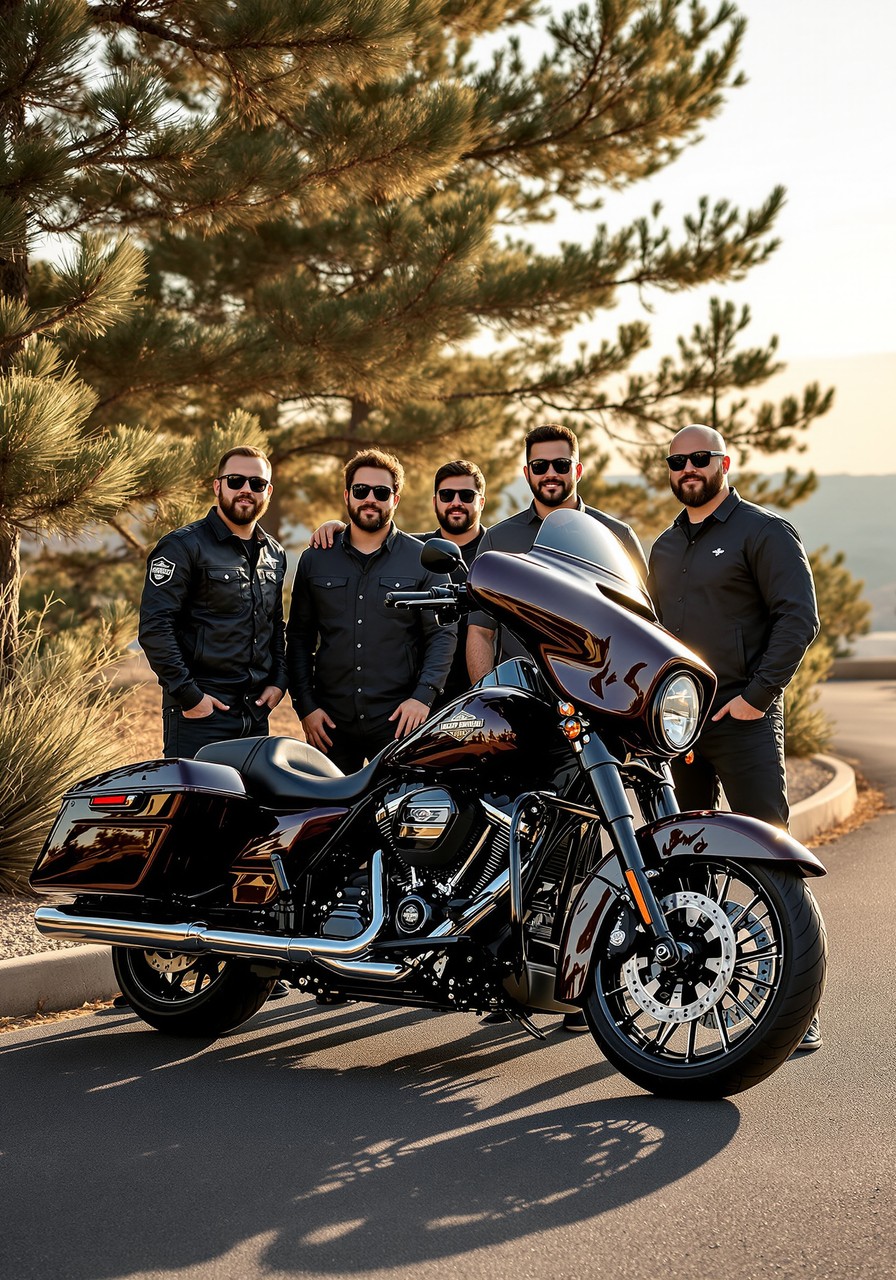
The momentum is building, riders. Share this and pull your people in. #RideNationNV #MotorcycleGiveaway #NevadaRiders
Local NV & Rides
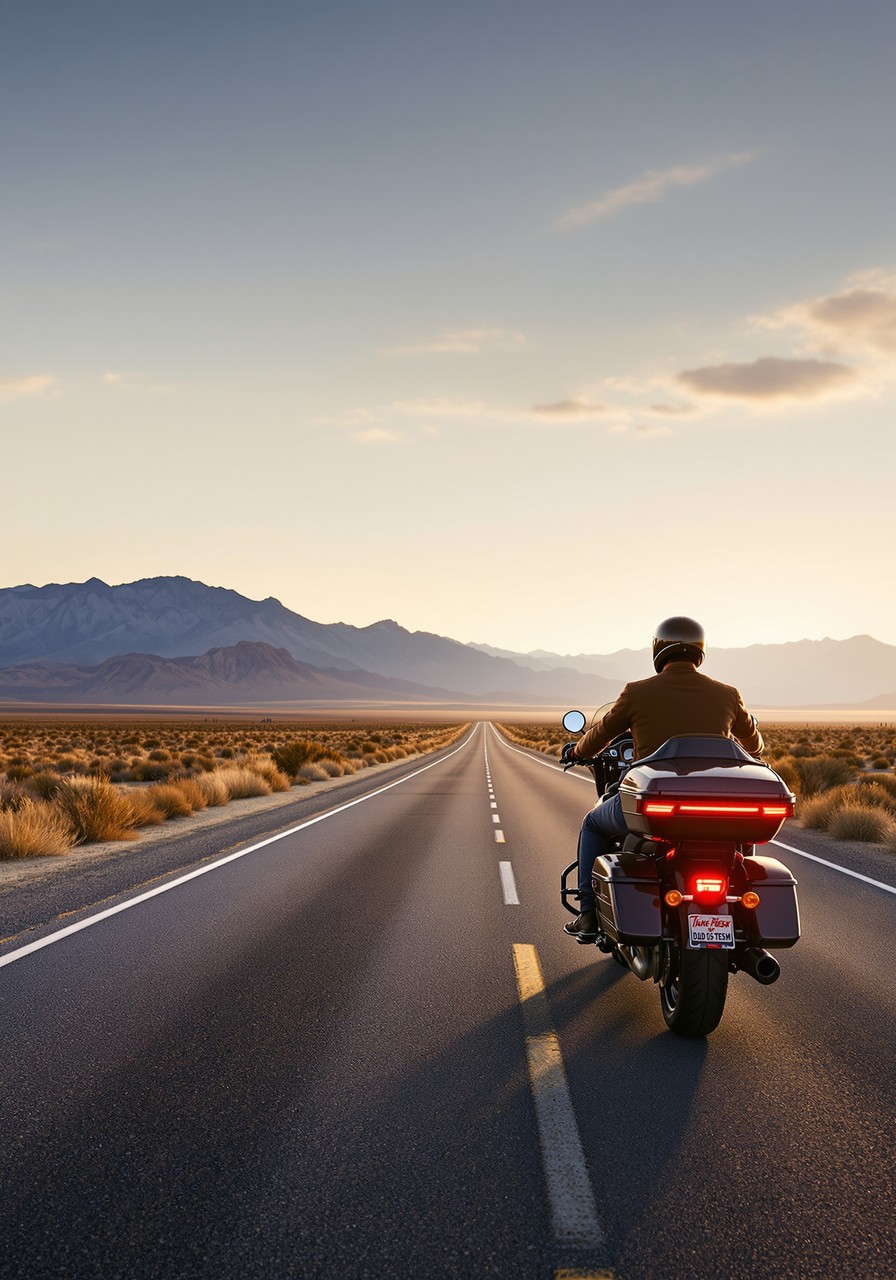
SR-159 through Red Rock is short but it earns repeat runs. Different light every hour, and best of all before 8 am in winter. #RideNationNV #RedRockCanyon #MotorcycleRoads
Gear & New Iron
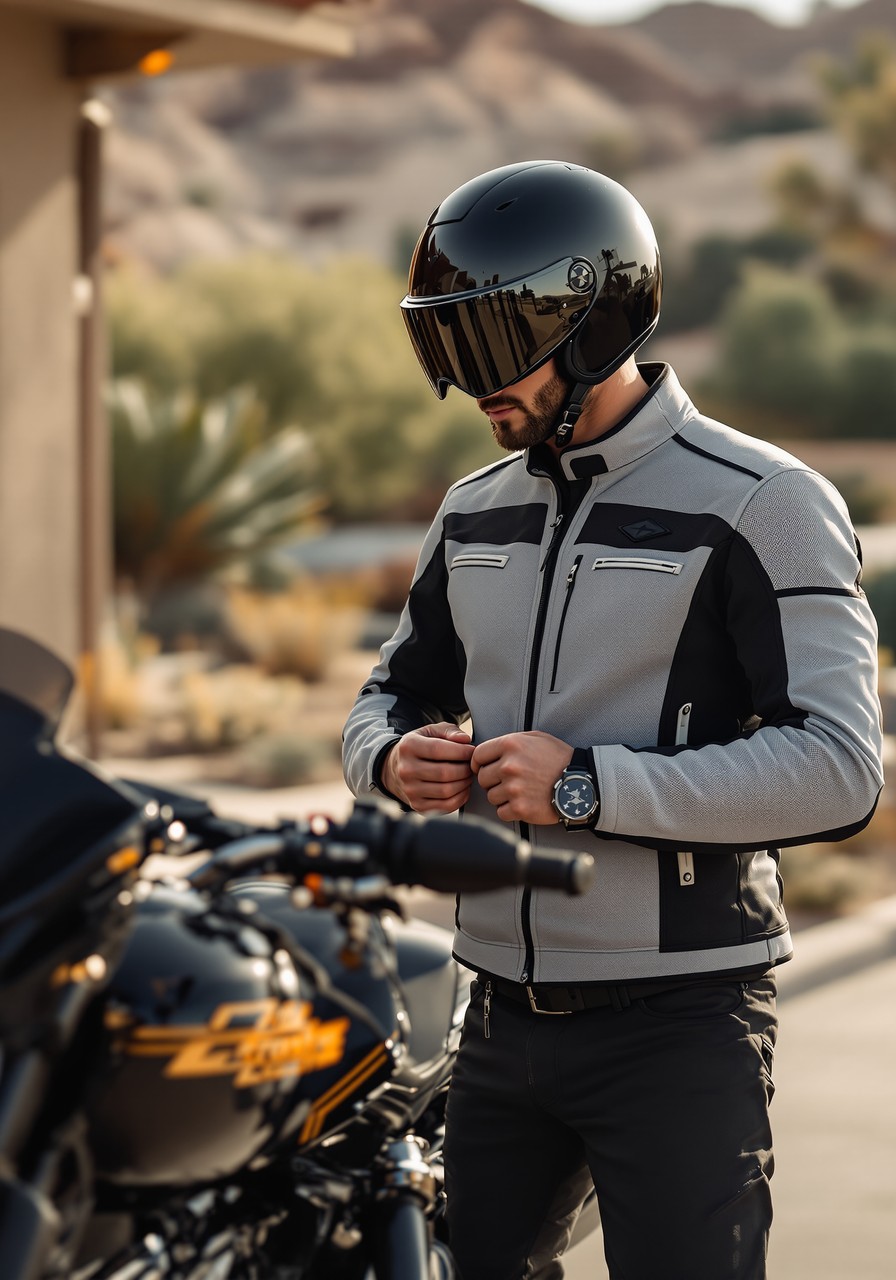
A battery that cranks slow in summer is warning you. Test it before it strands you at a gas station in the sun. #RideNationNV #MotorcycleMaintenance #RiderTips
Safety & NV Law
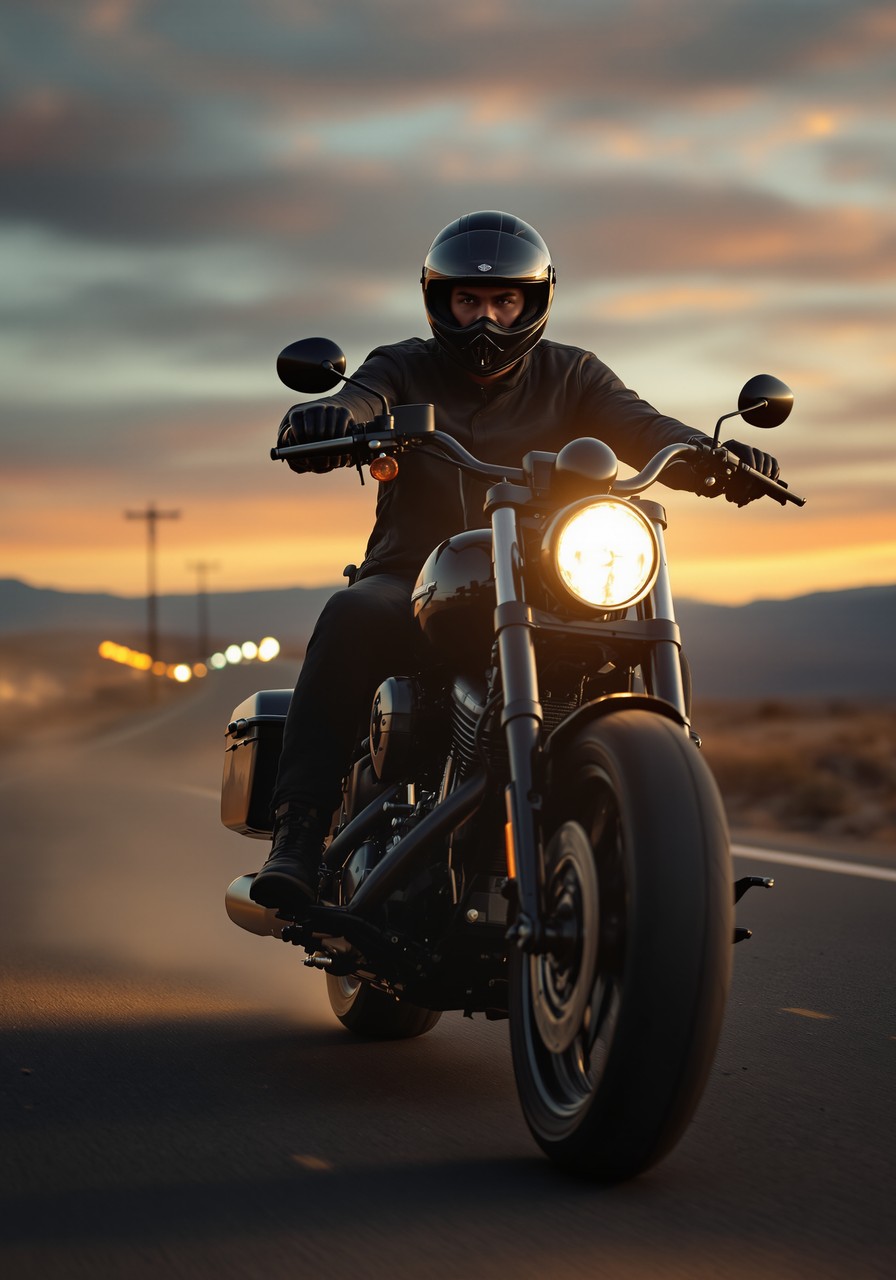
That 25/50/20 minimum policy the other driver carries can vanish under one ambulance ride and an ER bill. This is why riders who understand Nevada law load up on UM/UIM. Free case review at ericblanklaw.com. #RideNationNV #NevadaRiders #KnowYourRights
Engagement
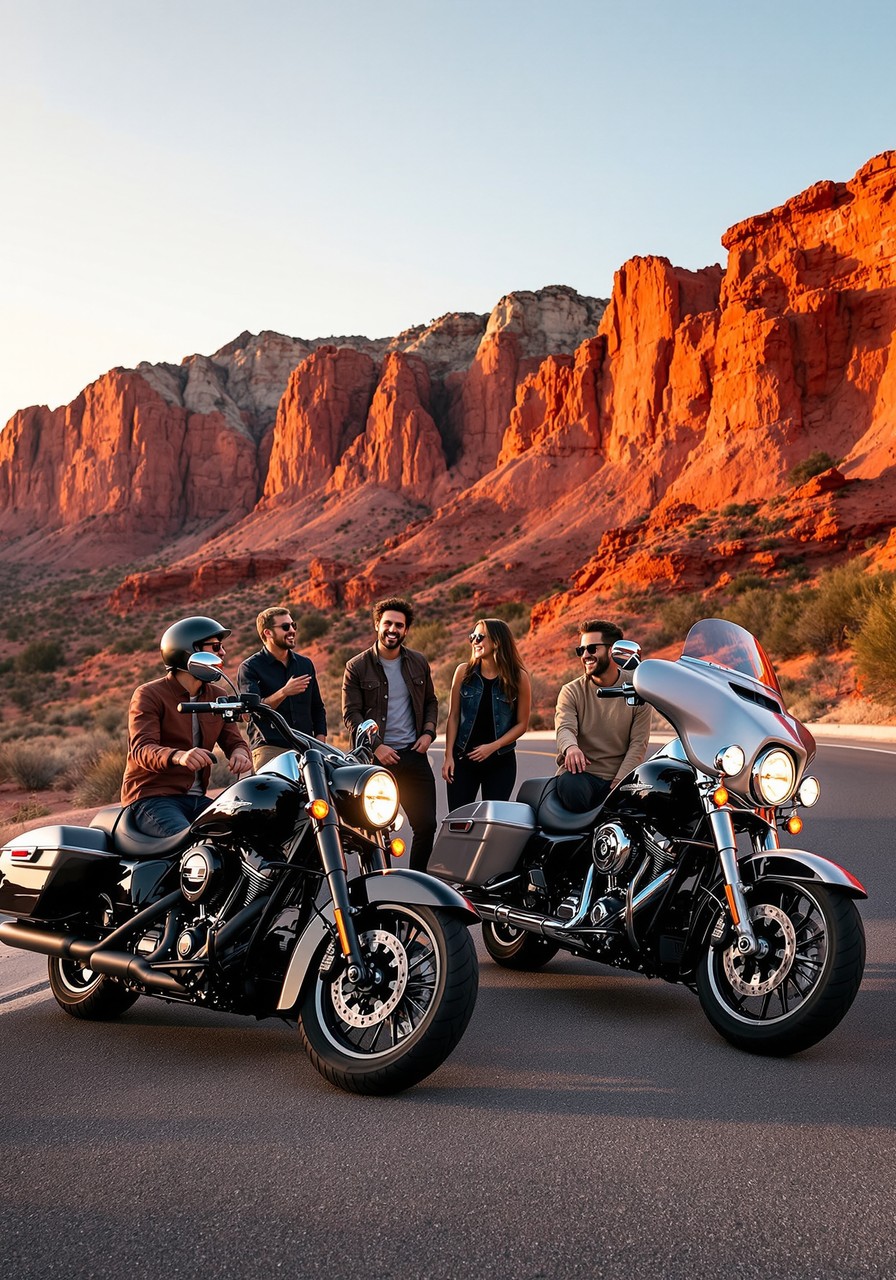
Poll: for cool-season rides, are you full leathers or textile gear? Settle it. #RideNationNV #TwoWheels #NevadaRiders
Giveaway & Countdown
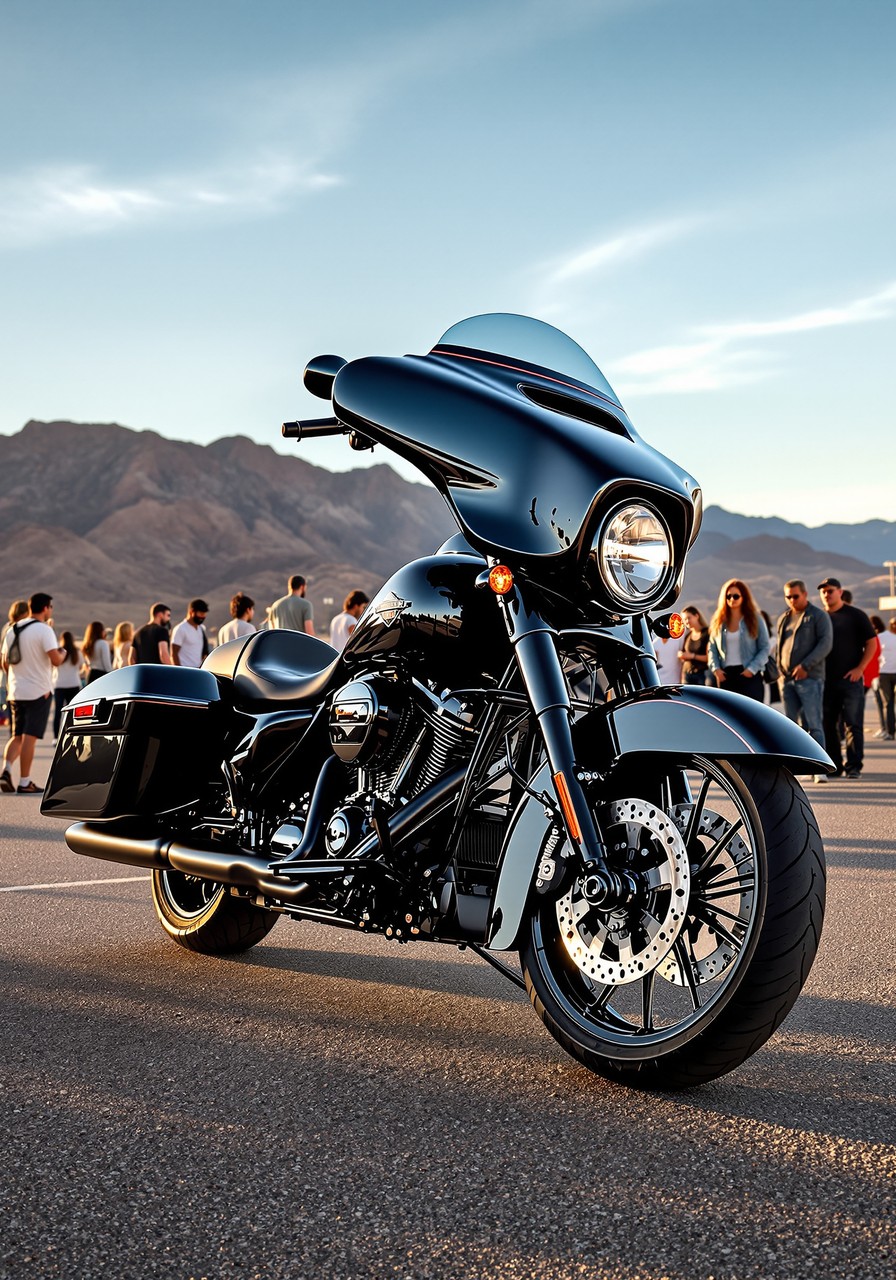
$20,000 up for grabs. The Ride Nation crew is already buzzing. Are you in? #RideNationNV #BikersWin #VegasRiders
Local NV & Rides
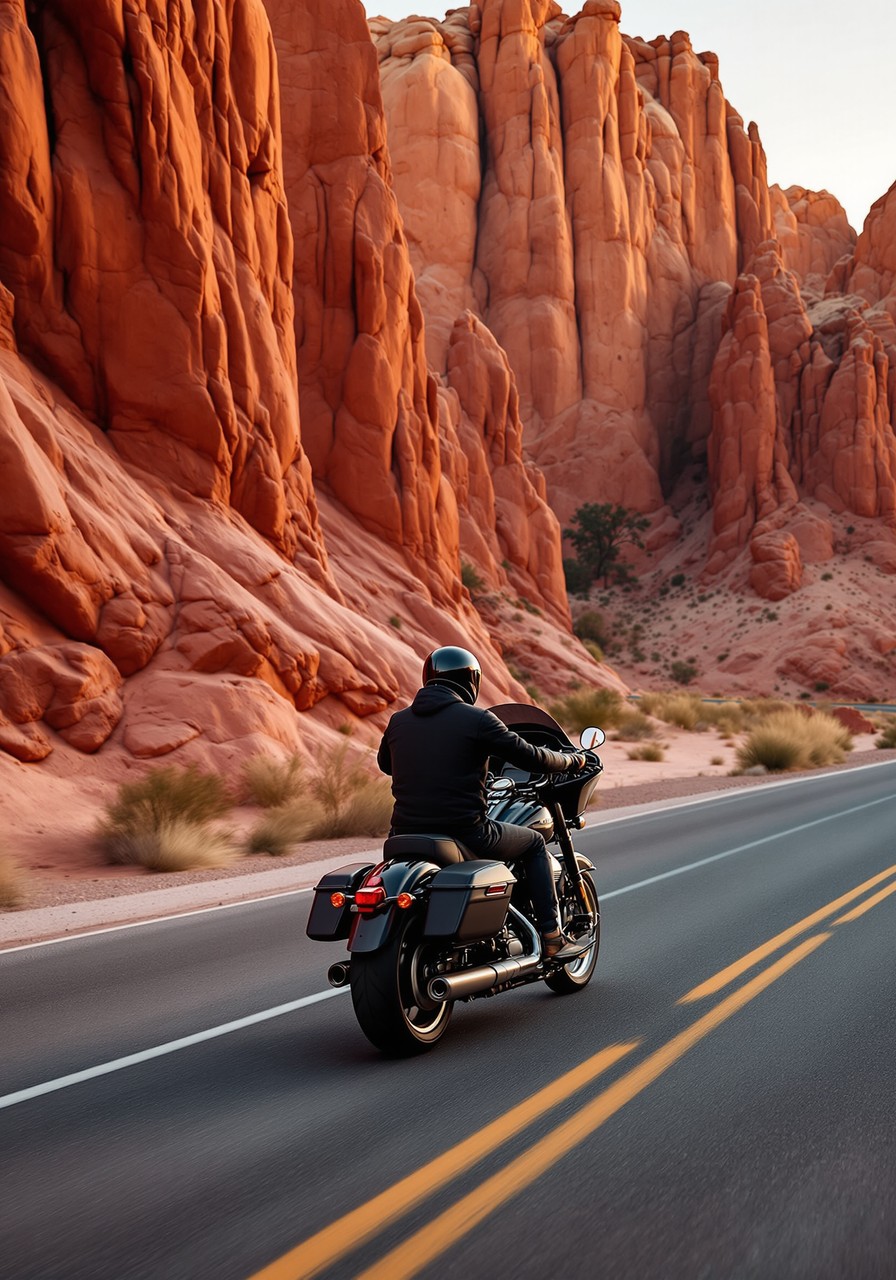
Mountain Springs summit on SR-160 can be 20 degrees colder than your driveway. Dress for the top of the climb, not the bottom. #RideNationNV #NevadaRiders #MountCharleston
Gear & New Iron
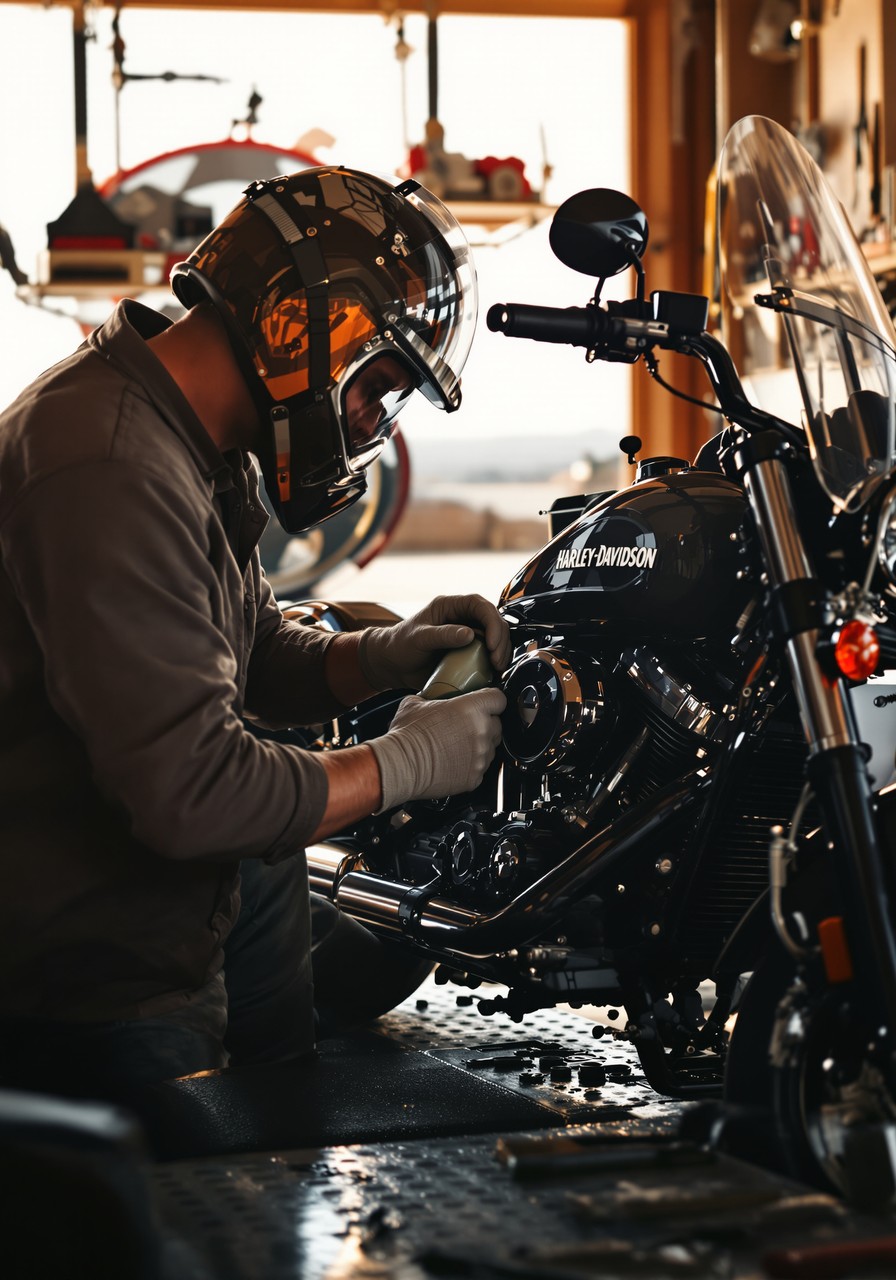
Brake fluid absorbs moisture and fades in heat. If you cannot remember your last flush, that spongy lever is telling you why. #RideNationNV #MotorcycleMaintenance #RiderTips
Safety & NV Law
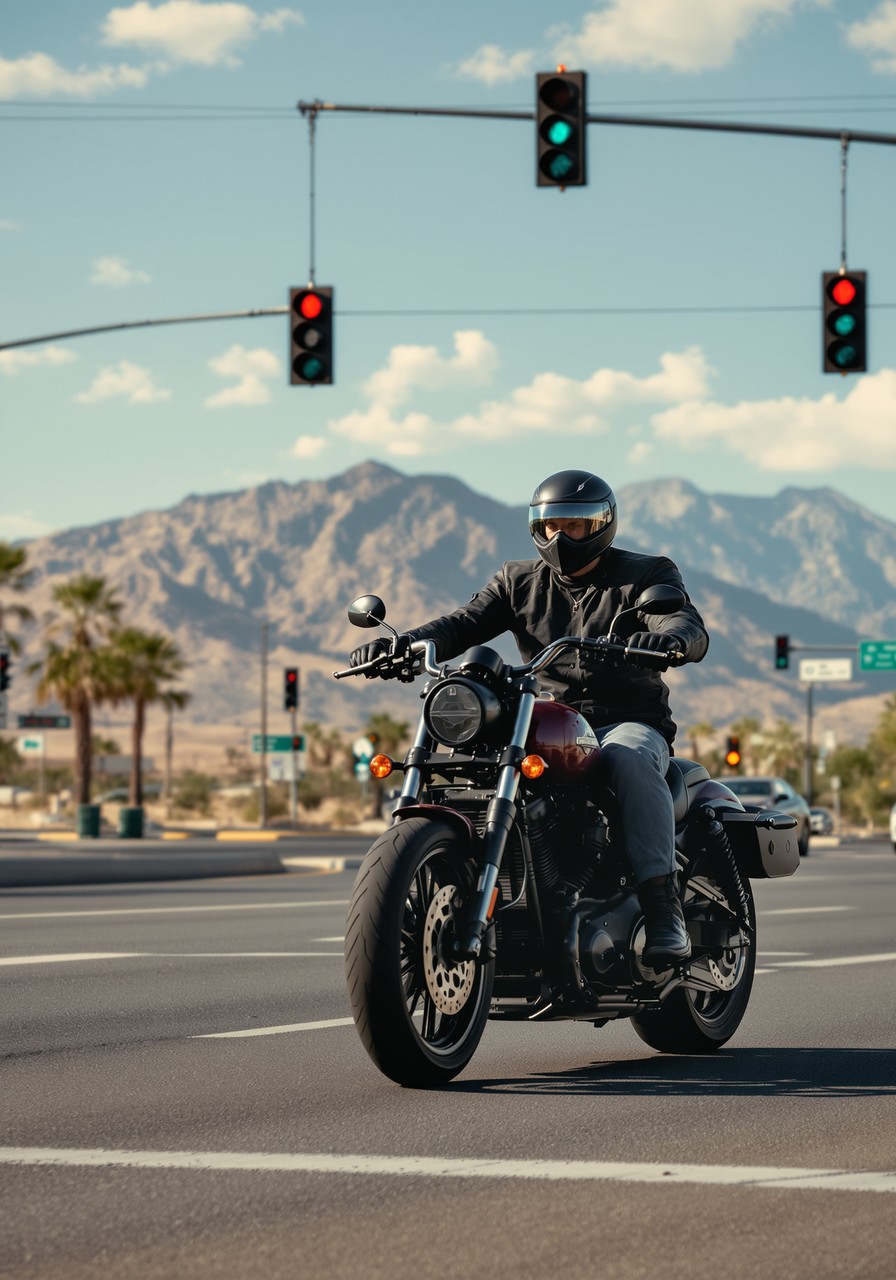
Assume every left-turning car on the Strip is about to cut across your path, because the data says it will. Slow, cover the brakes, and make eye contact you can actually trust. #RideNationNV #MotorcycleSafety #VegasRiders
Engagement
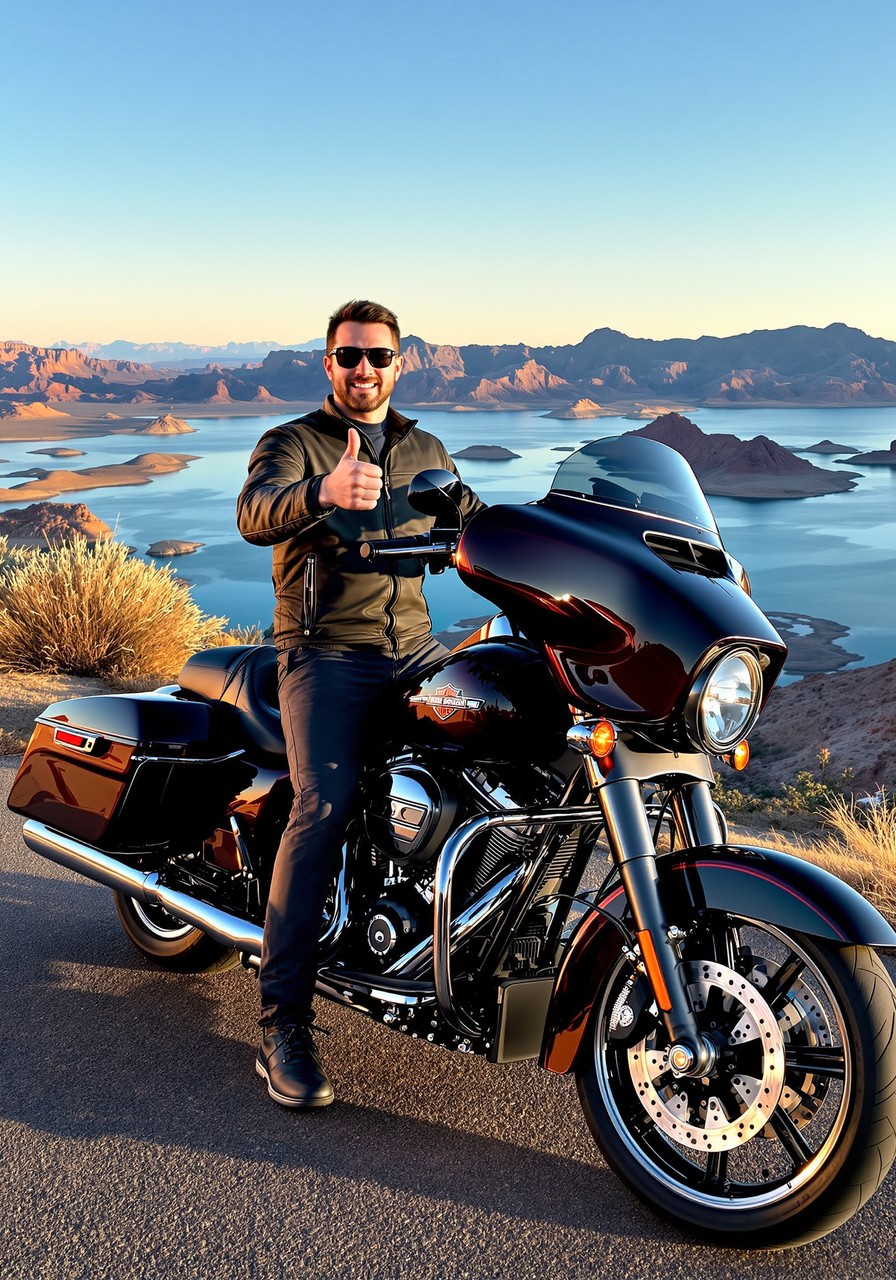
Fill in the blank: The best part of riding while the rest of the country is snowed in is ______. #RideNationNV #VegasRiders #DesertRiding
Giveaway & Countdown
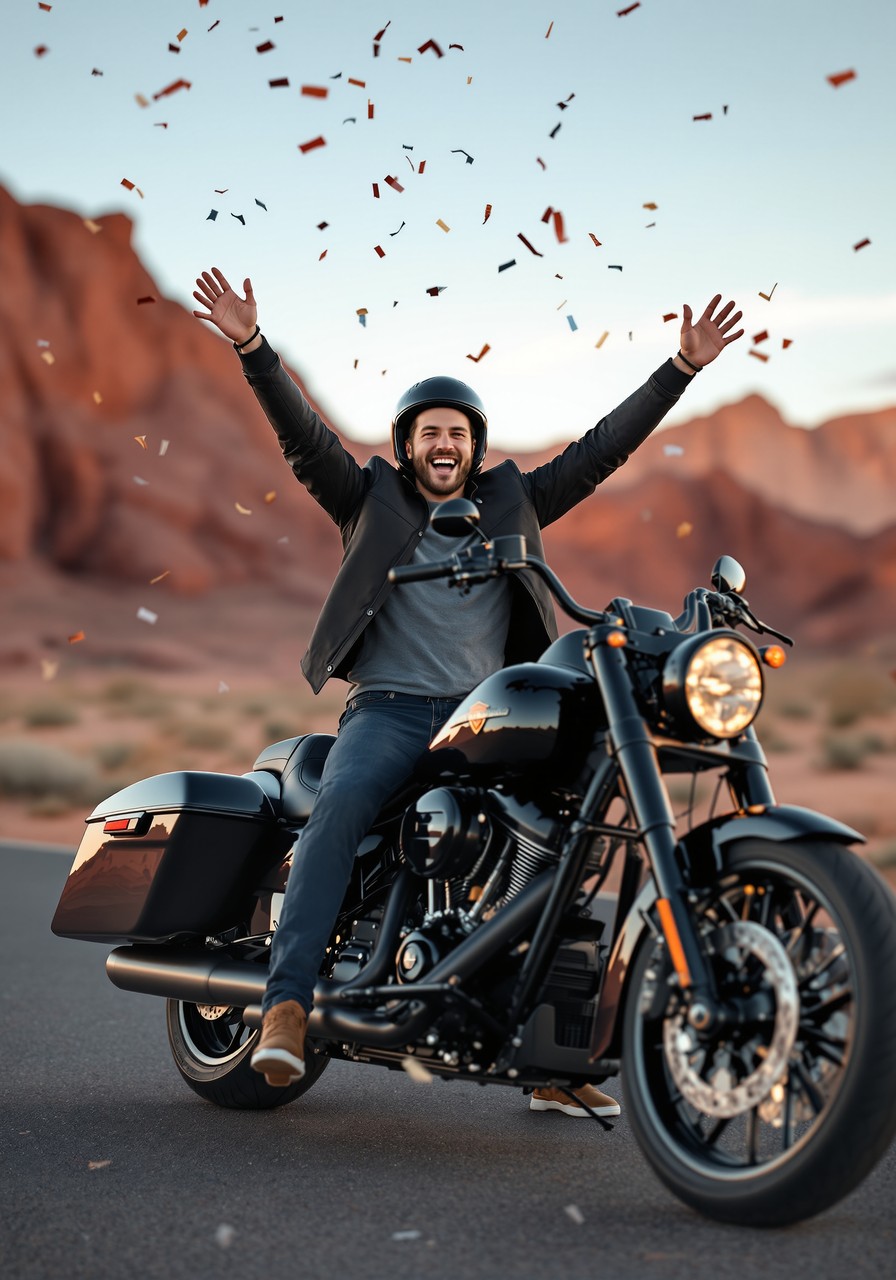
Winner energy only. Someone in this community is taking home $20K. Could be you. #RideNationNV #20kGiveaway #DesertRiding
Local NV & Rides
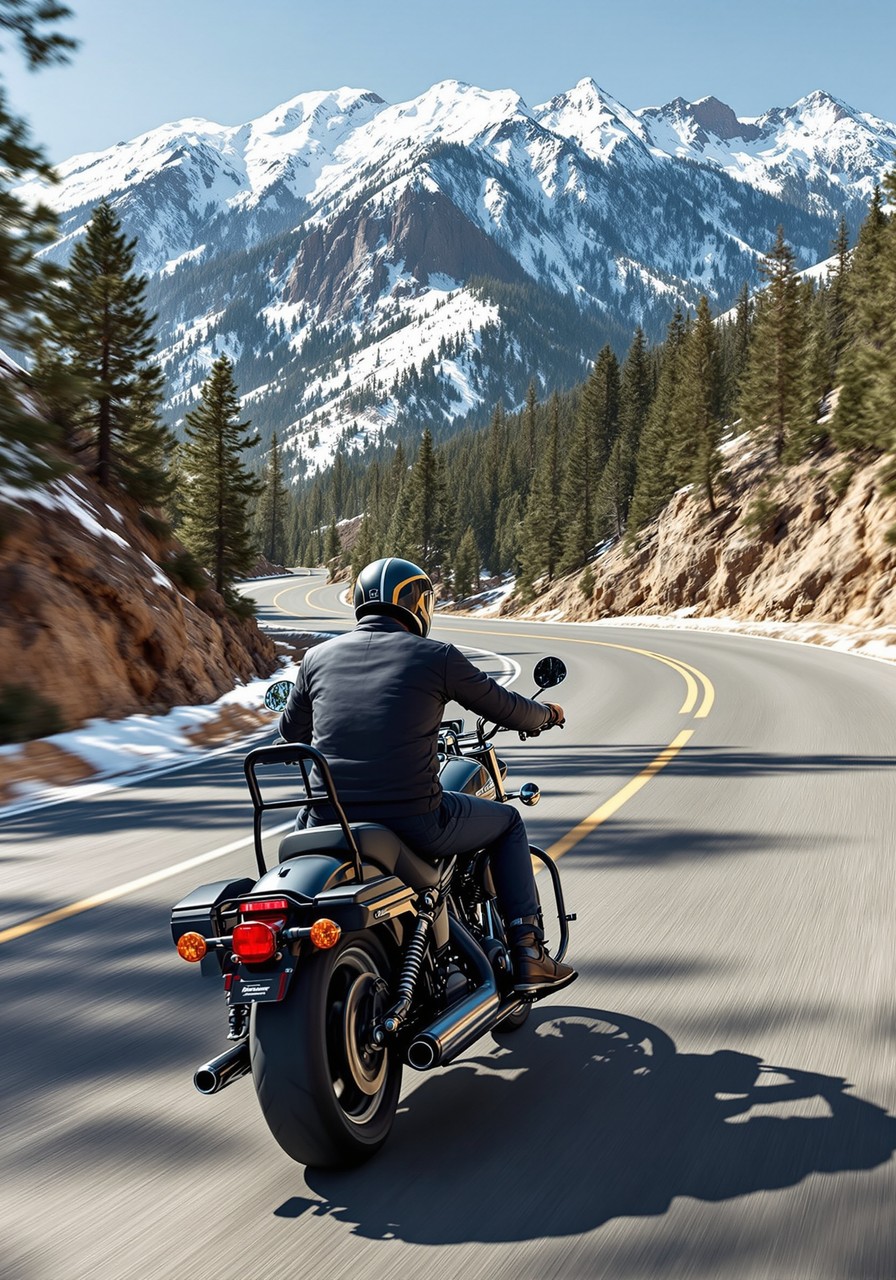
Snow up on Lee Canyon means melt runoff and grit trickling down onto SR-156. Even a dry-looking mountain road can hide a wet, sandy line. #RideNationNV #MountCharleston #NevadaRiders
Gear & New Iron
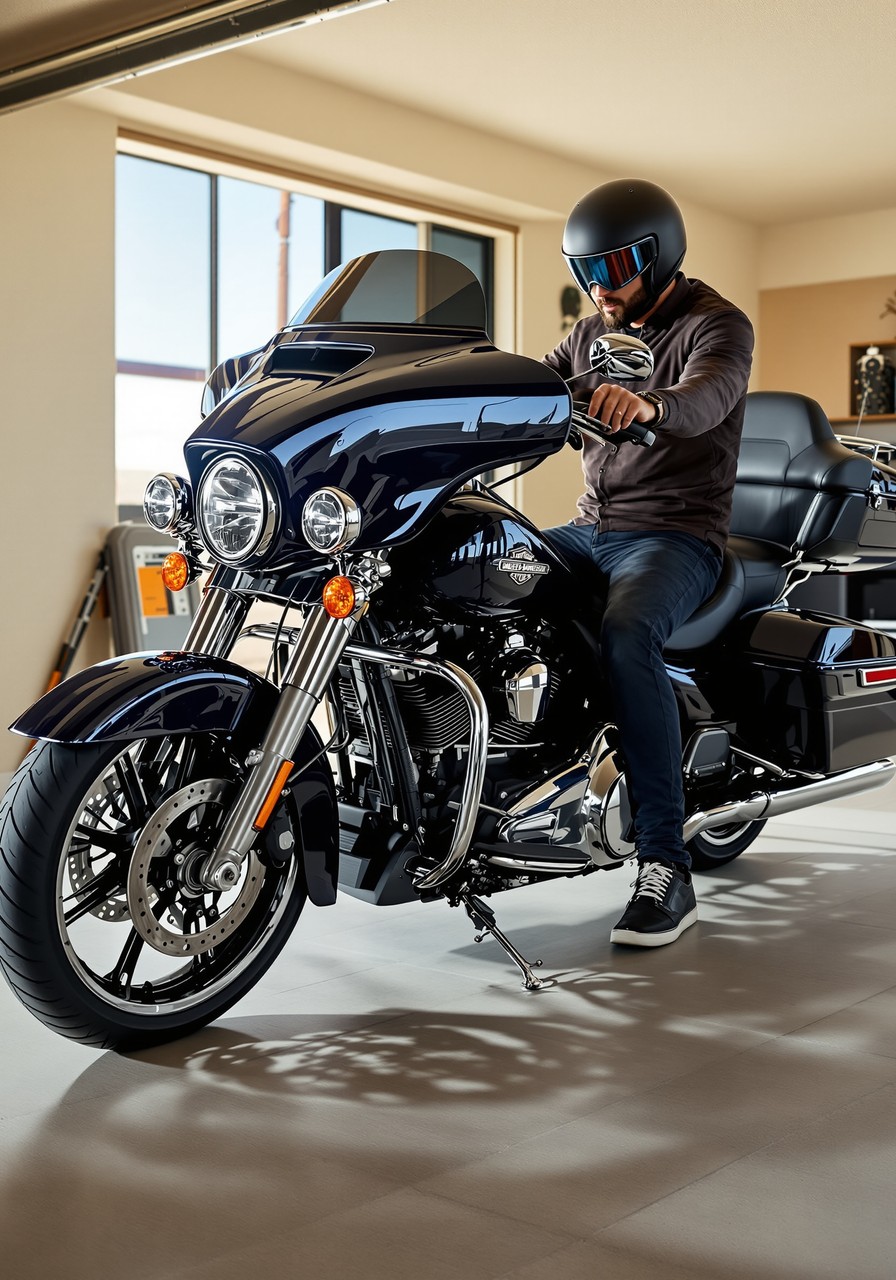
Desert riding runs your engine hot. Check your coolant level and condition before summer, and keep an eye on that temp gauge on long climbs. #RideNationNV #MotorcycleMaintenance #DesertRiding
Safety & NV Law
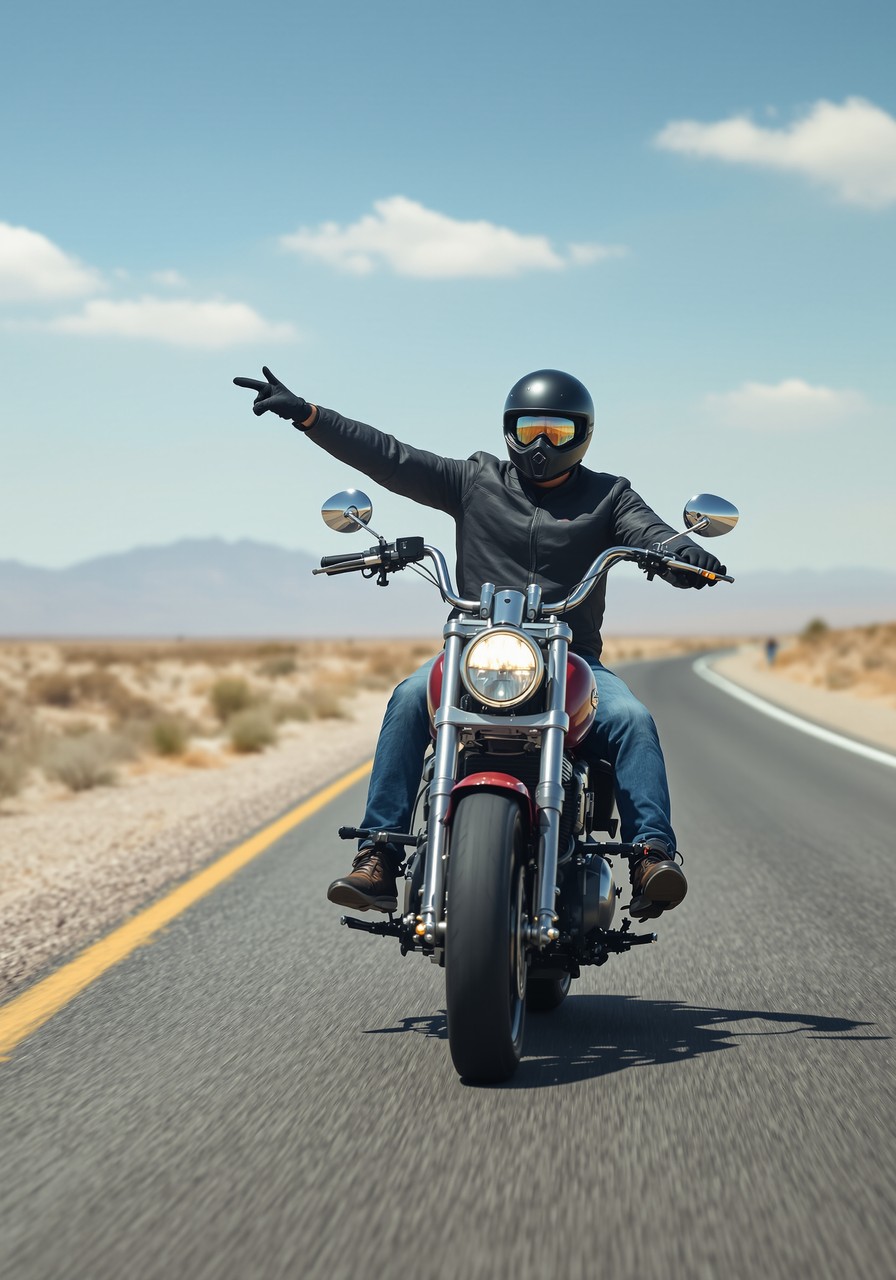
See and be seen is not a slogan, it is survival math. Lane position, a little throttle in blind spots, and gear that pops against desert tan keep you on drivers' radar. #RideNationNV #MotorcycleSafety #ATGATT
Engagement
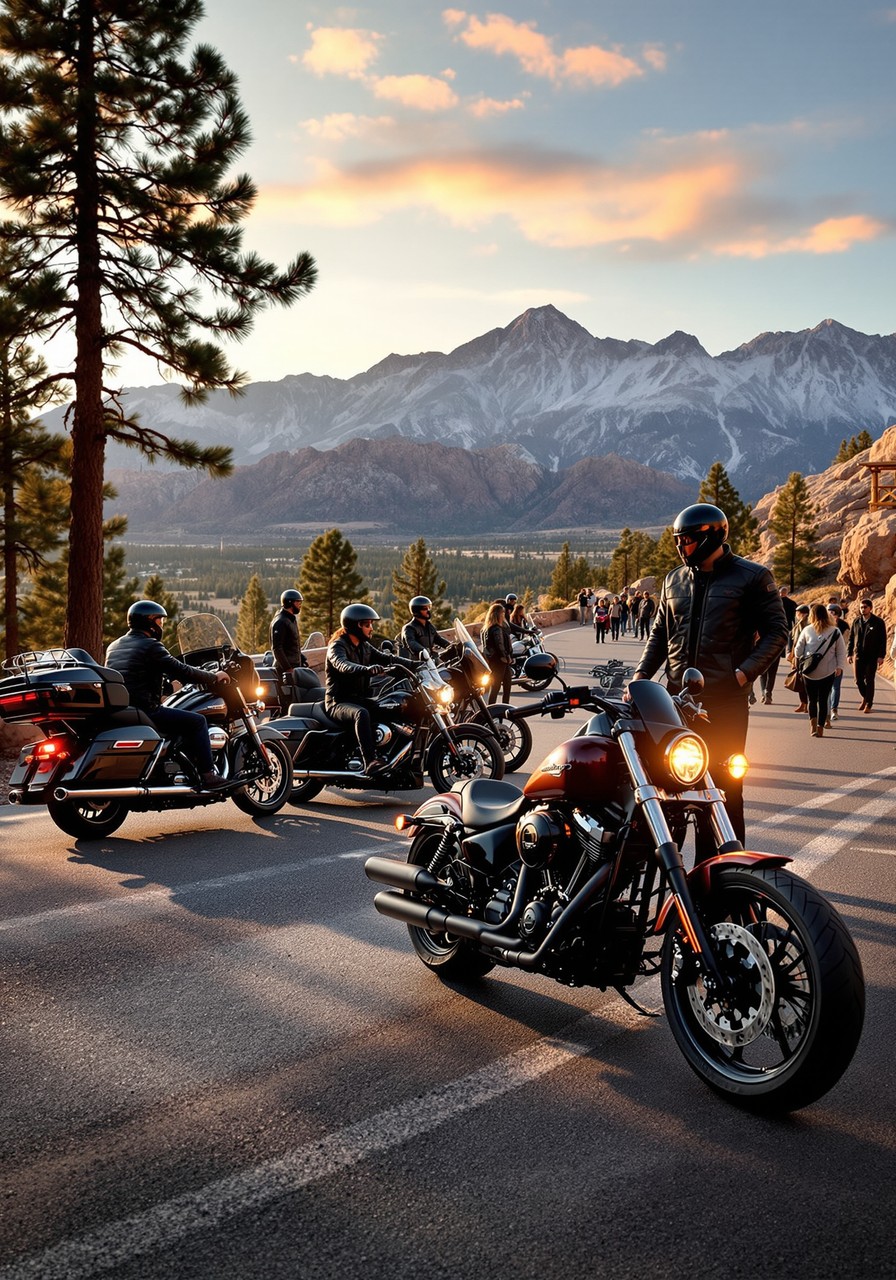
Drop your go-to coffee or fuel stop before a morning ride. Local favorites only. #RideNationNV #VegasRiders #NevadaRiders
Giveaway & Countdown
Countdown check. The BikersWin giveaway clock keeps ticking, Vegas. Do not sleep on it. #RideNationNV #MotorcycleGiveaway #VegasRiders
Local NV & Rides
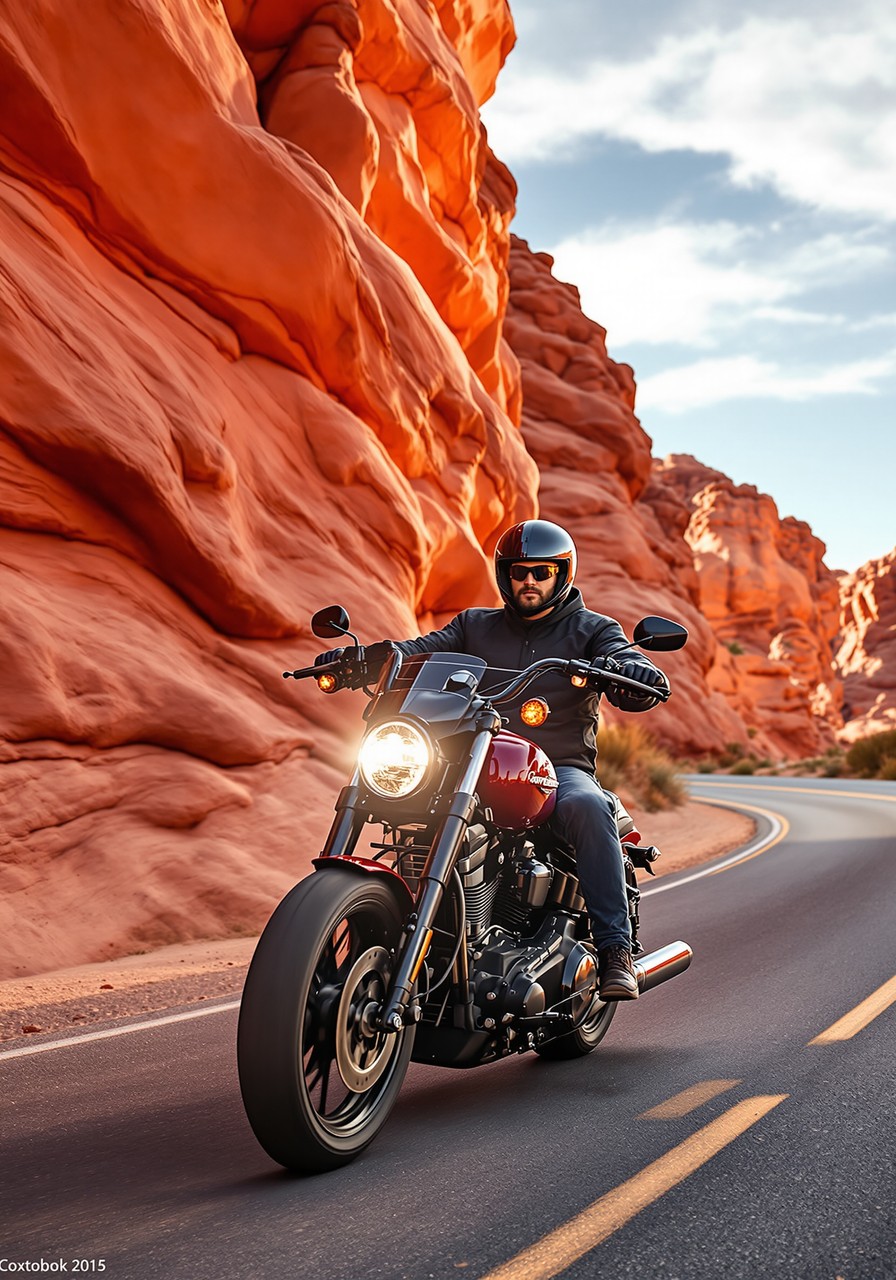
The desert stretch of US-95 toward the north is wide open and windswept. Fuel up, hydrate, and respect how far apart the stops are. #RideNationNV #DesertRiding #NevadaRiders
Gear & New Iron
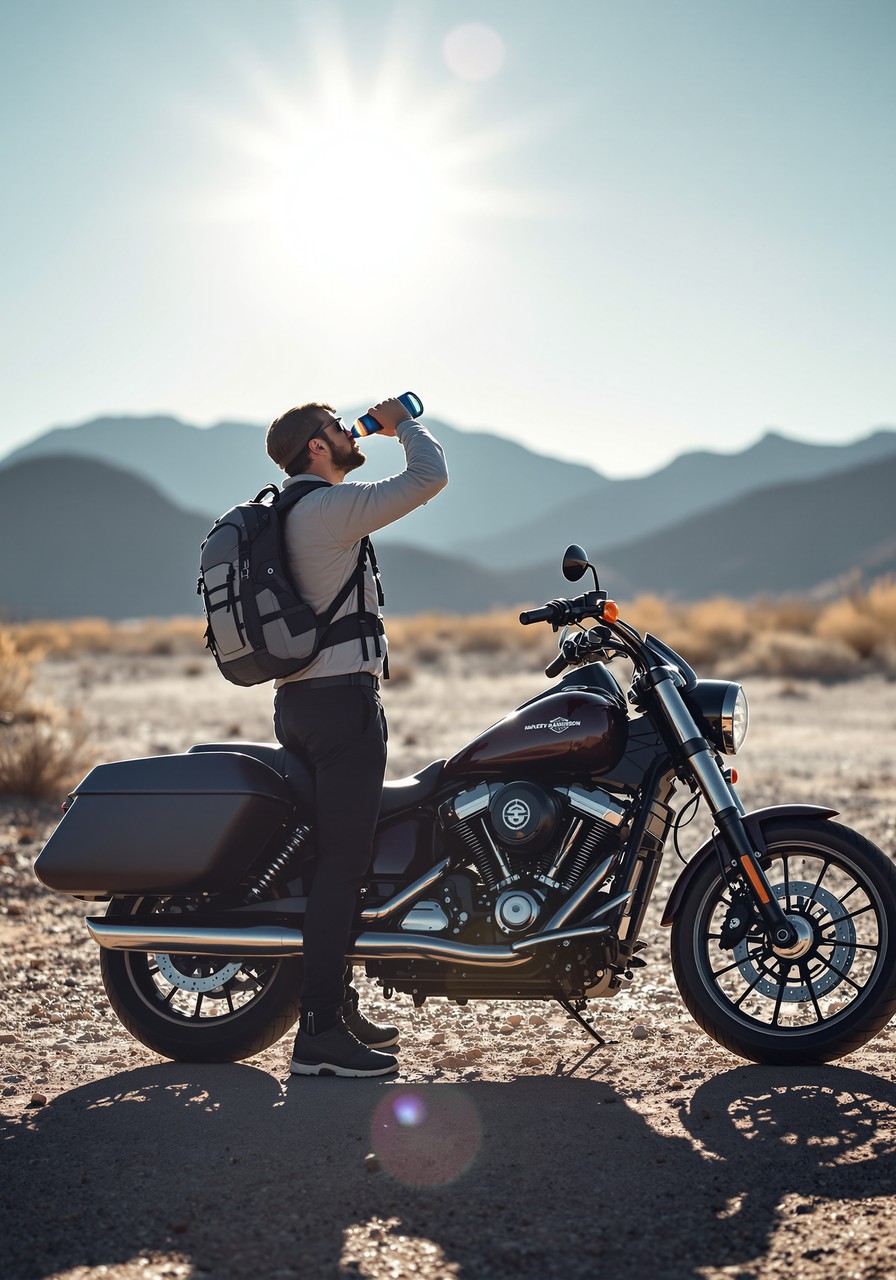
Heat thins your oil. Run the right grade for these temps and change it on schedule, because a hard-worked engine in summer has no patience. #RideNationNV #MotorcycleMaintenance #RiderTips
Safety & NV Law
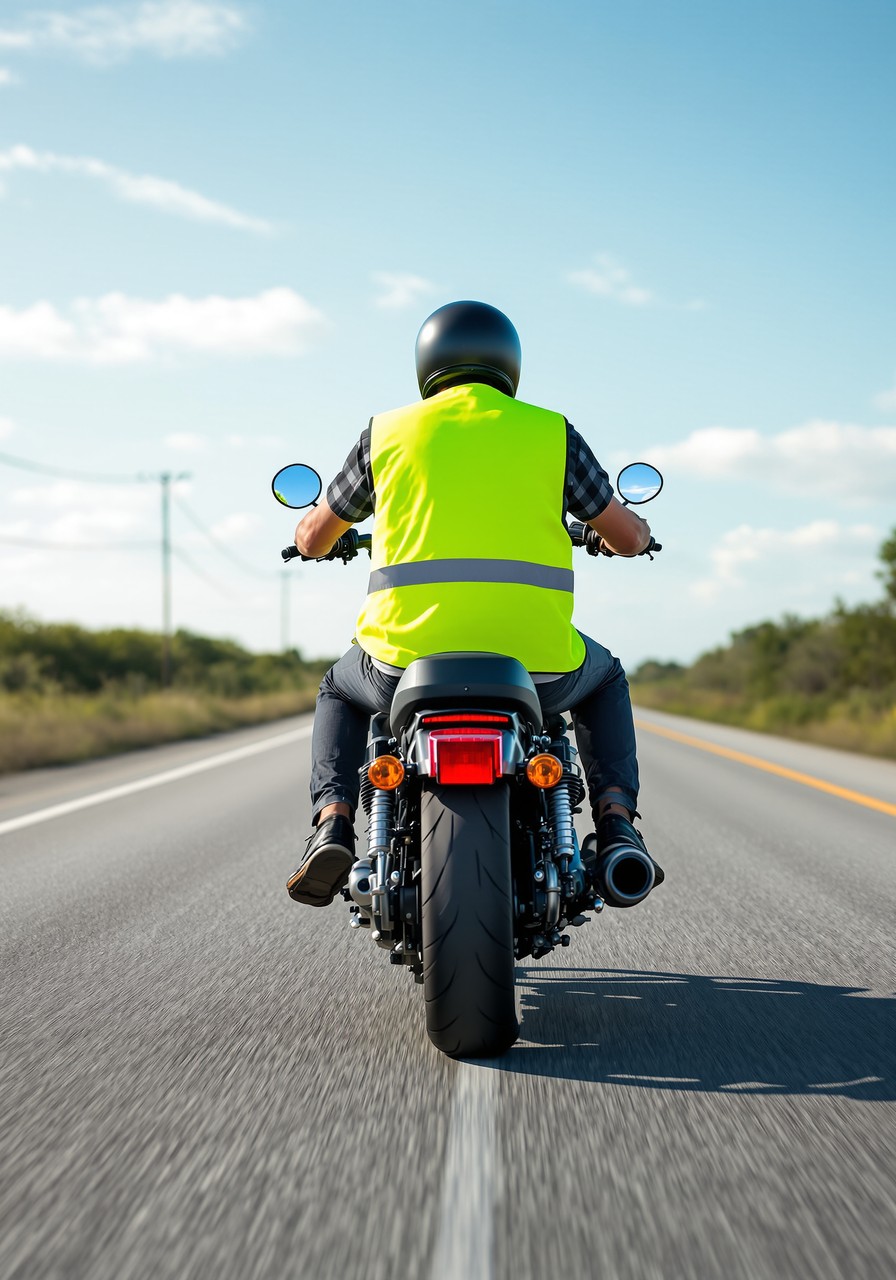
Black ice on Mount Charleston does not announce itself, especially on shaded switchbacks and bridge decks after a cold night. Ease your inputs and leave the knee-dragging for warmer roads. #RideNationNV #DesertRiding #MotorcycleSafety
Engagement
This or that: Valley of Fire reds or the canyon walls at Red Rock. Which view wins? #RideNationNV #ValleyOfFire #RedRockCanyon
Giveaway & Countdown
Milestone unlocked. The Ride Nation family keeps growing and so does the hype for $20K. #RideNationNV #BikersWin #NevadaRiders
Local NV & Rides
Cold tires do not grip. Give yourself a few easy miles out of the driveway on these winter mornings before you push any corner. #RideNationNV #VegasRiders #DesertRiding
Gear & New Iron
Your air filter is drinking desert dust every mile. Check it more often than the manual says and swap it before it chokes your power. #RideNationNV #MotorcycleMaintenance #DesertRiding
Safety & NV Law
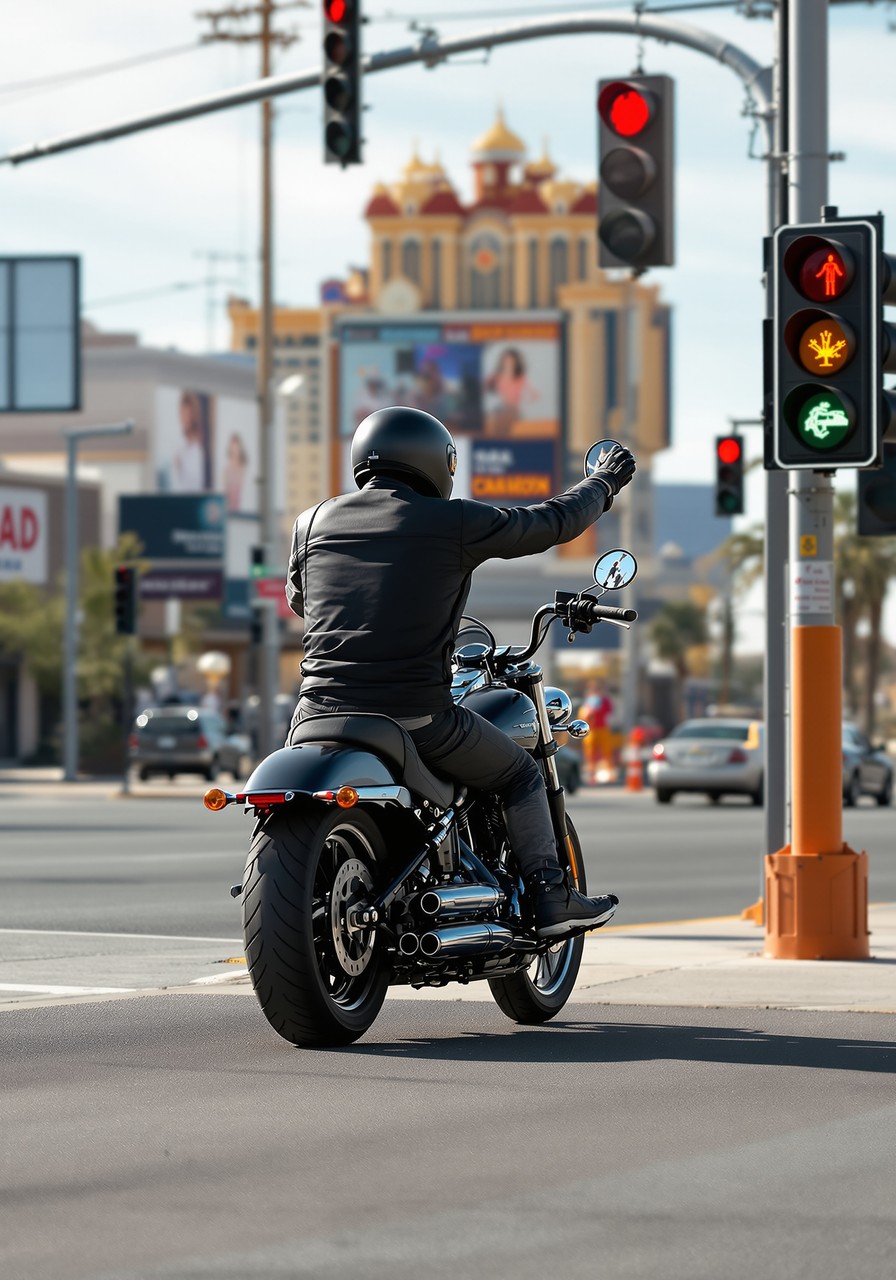
Crosswinds on the open desert stretches can move a bike a full lane in a gust. Relax your arms, weight the pegs, and read the dust and flags ahead of time. #RideNationNV #DesertRiding #MotorcycleSafety
Engagement
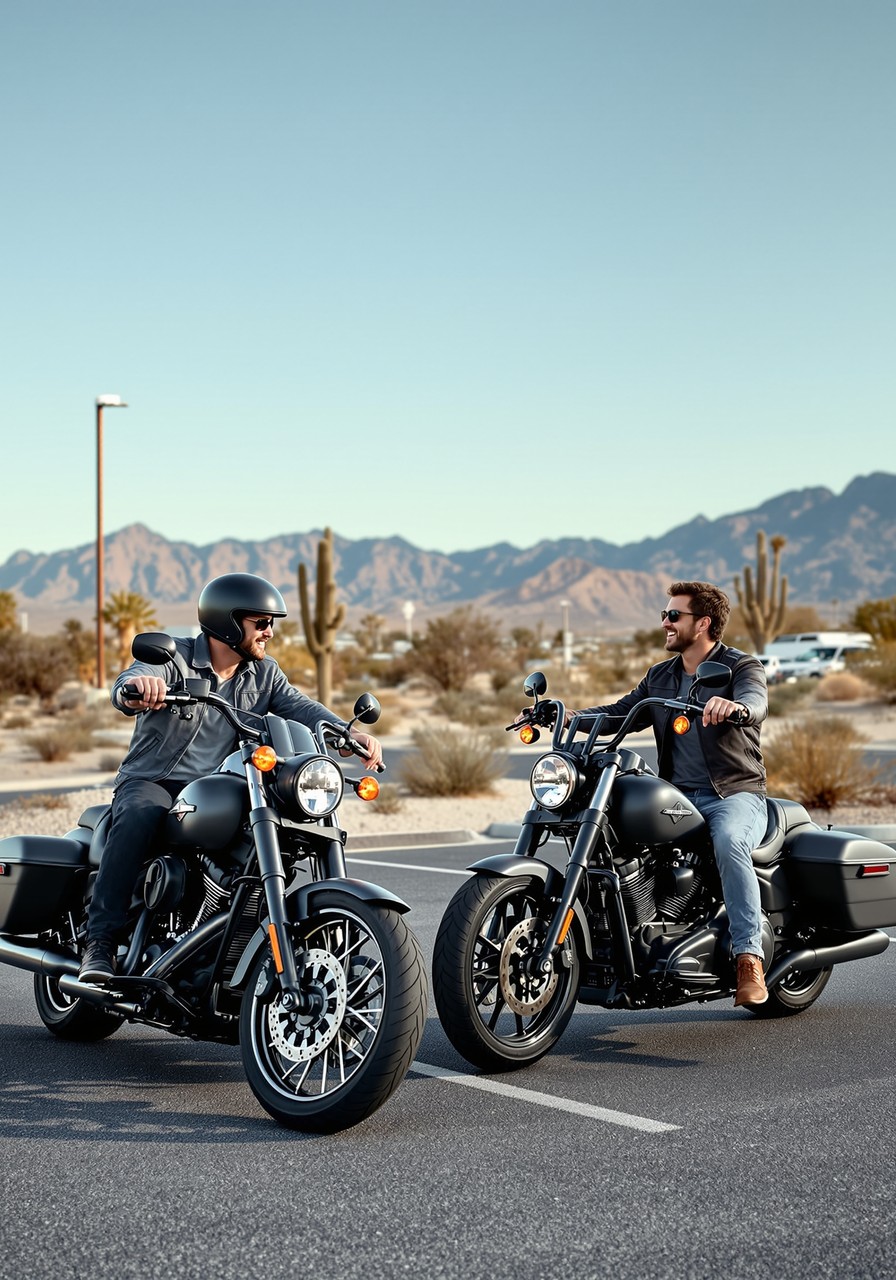
Question: what song is always playing in your head when you ride? No wrong answers. #RideNationNV #TwoWheels #VegasRiders
Giveaway & Countdown
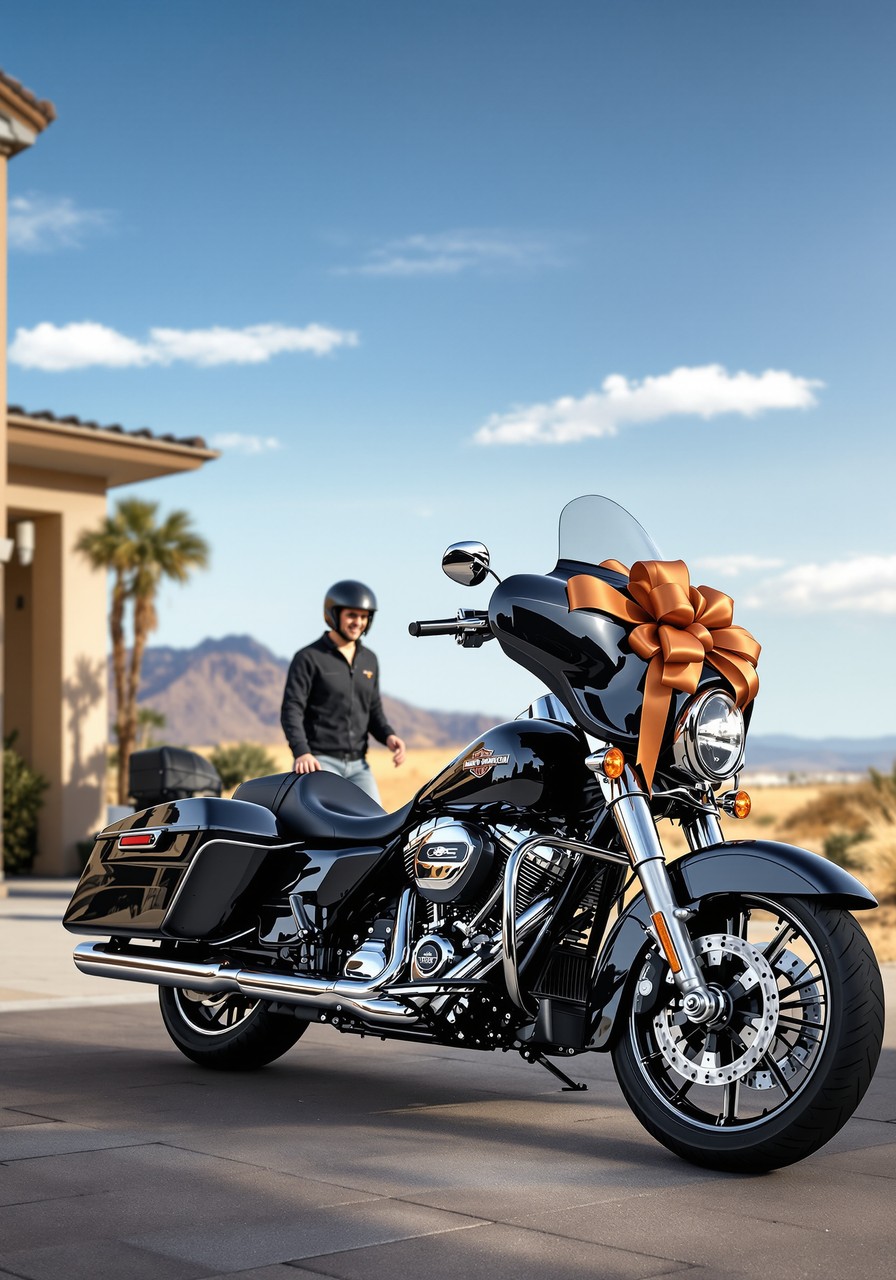
Two wheels, one big prize. The BikersWin $20,000 giveaway is rolling. #RideNationNV #20kGiveaway #DesertRiding
Local NV & Rides
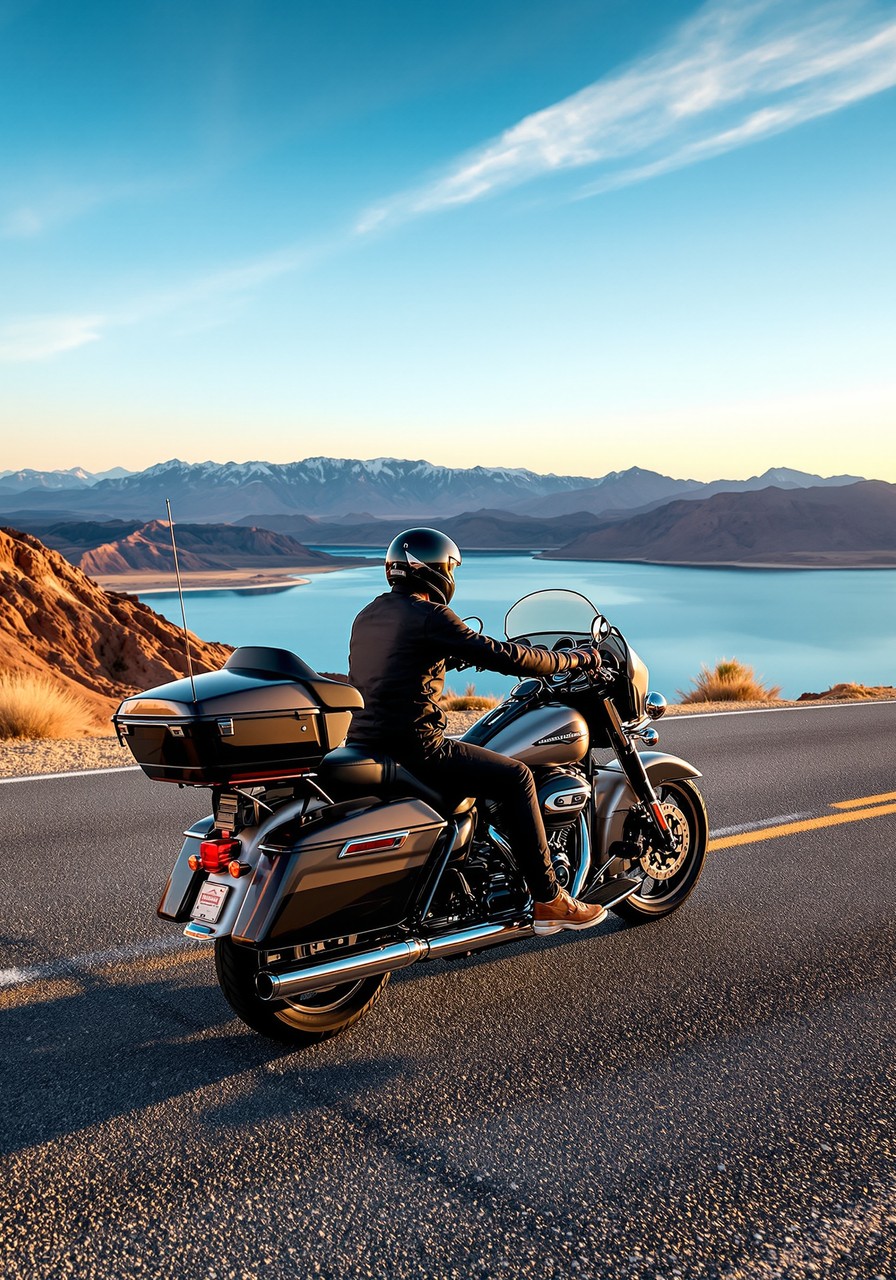
Lake Mead views from the saddle on a crisp winter morning are hard to beat. Northshore Road stays quiet if you go early. #RideNationNV #LakeMead #MotorcycleRoads
Gear & New Iron
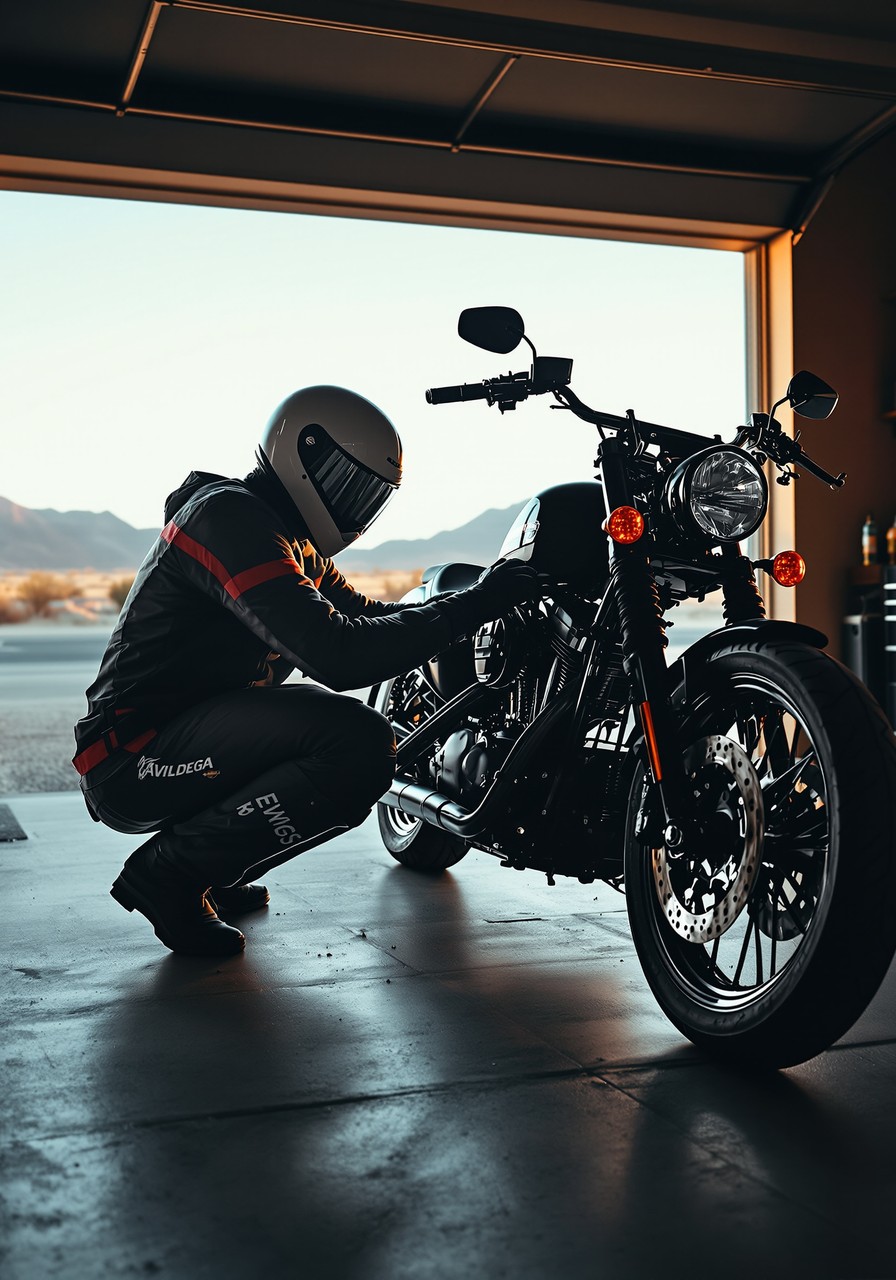
Fogging visor at a cold Mount Charleston stop? Crack it at the bottom, run a pinlock, or a little anti-fog so you are not riding blind on the way down. #RideNationNV #GearUp #RiderTips
Safety & NV Law
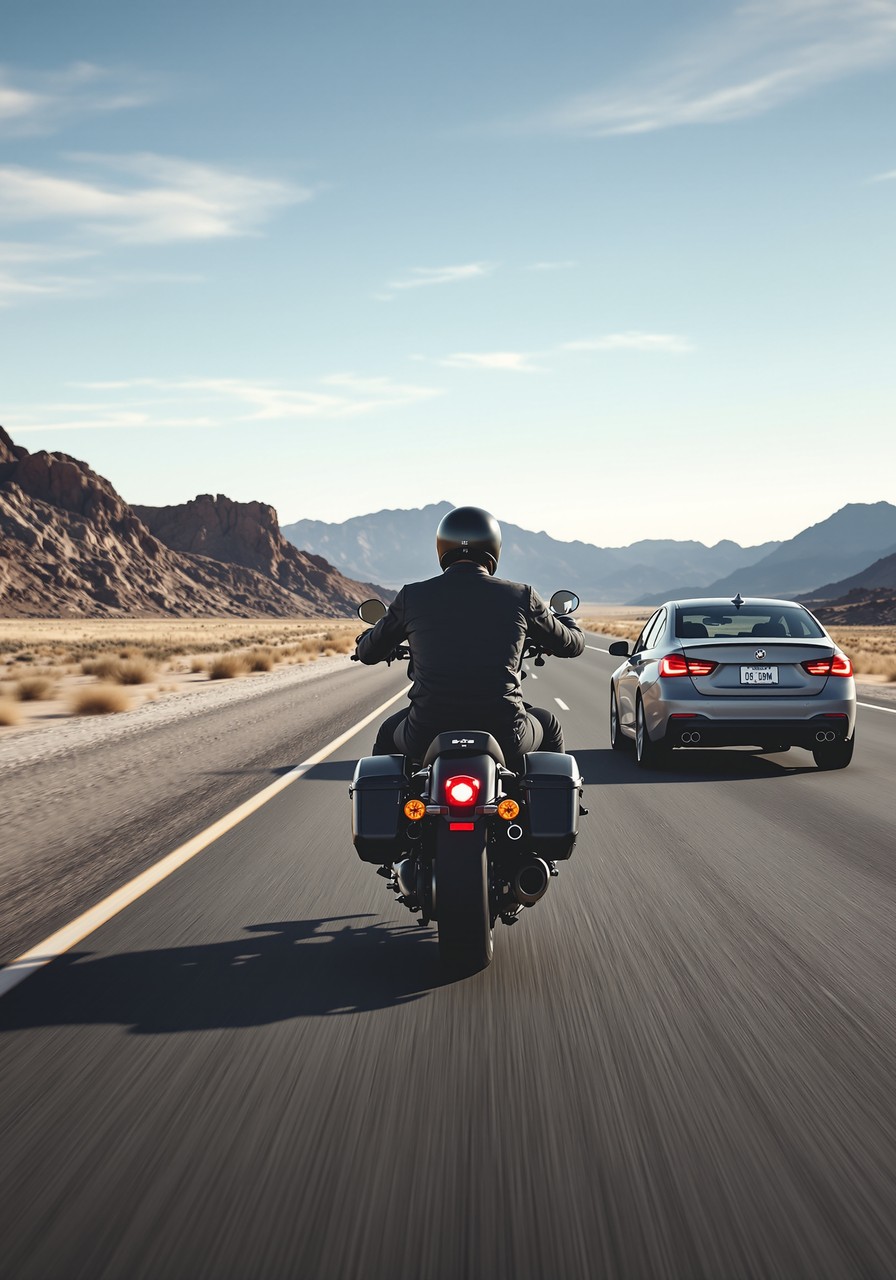
Hydration is a safety system out here. Desert heat drains your focus and reaction time long before you feel thirsty, so drink before the ride and top off at every stop. #RideNationNV #DesertRiding #MotorcycleSafety
Engagement
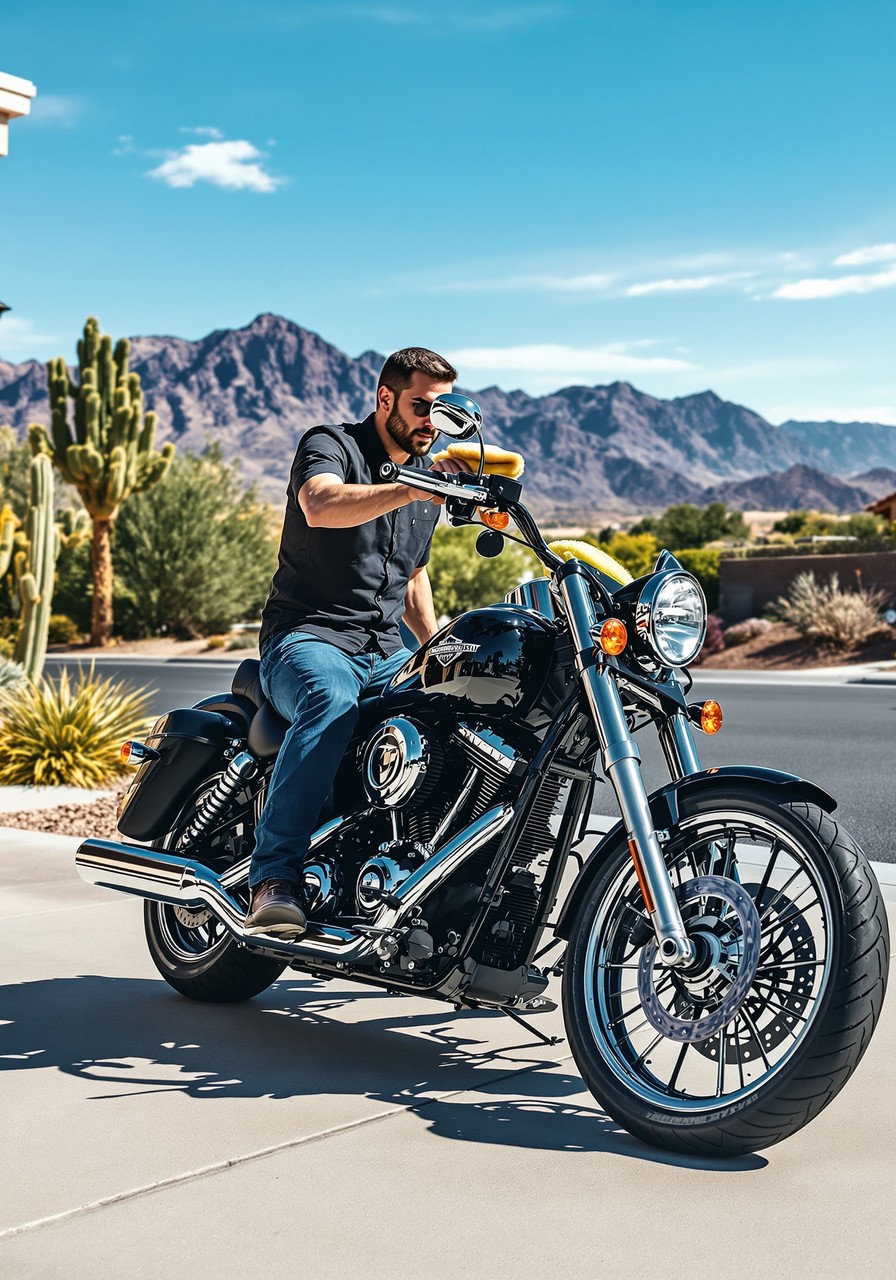
Tag the newest rider in your crew and hype them up in one sentence. #RideNationNV #RideOrDie #NevadaRiders
Giveaway & Countdown
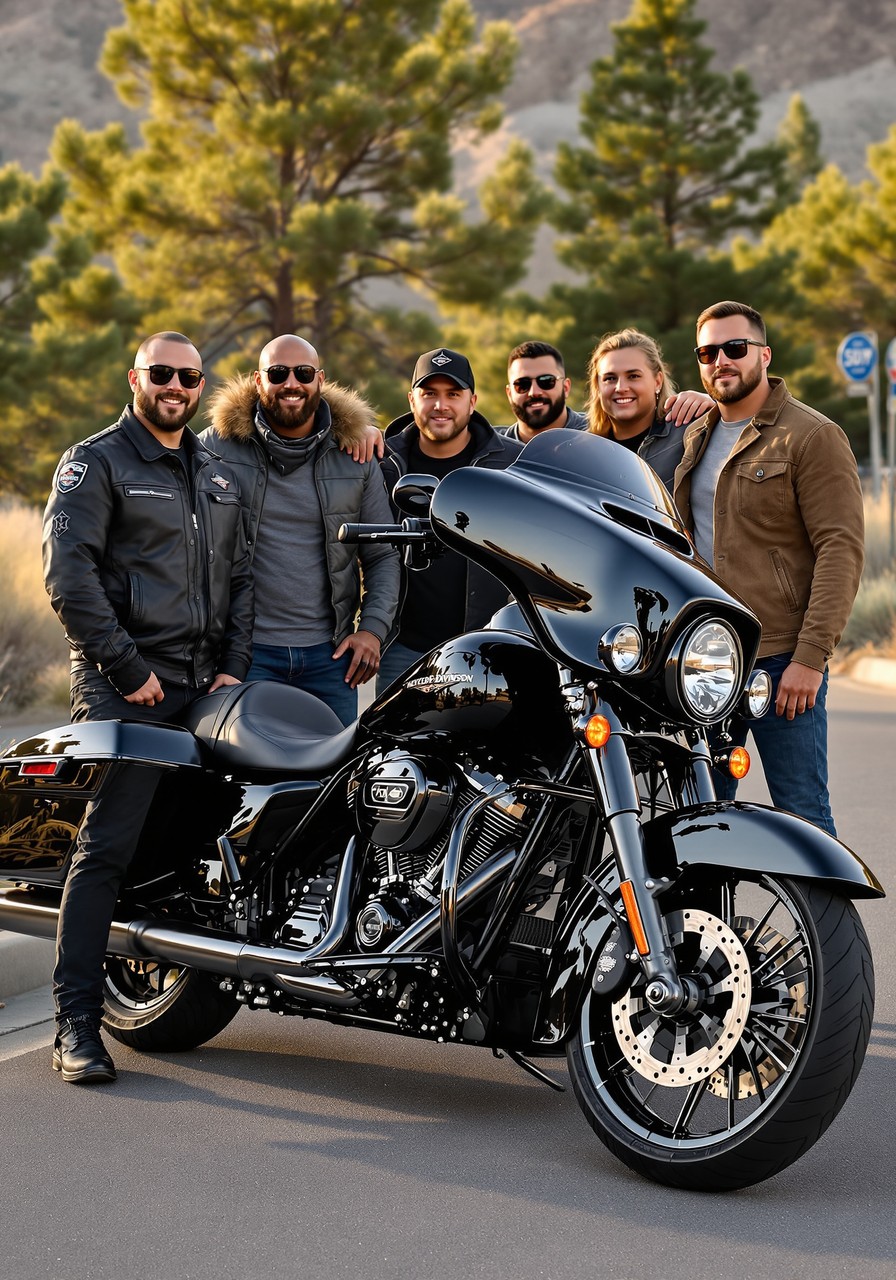
Share it with your riding group chat. The more of us in, the bigger the party when someone wins. #RideNationNV #MotorcycleGiveaway #VegasRiders
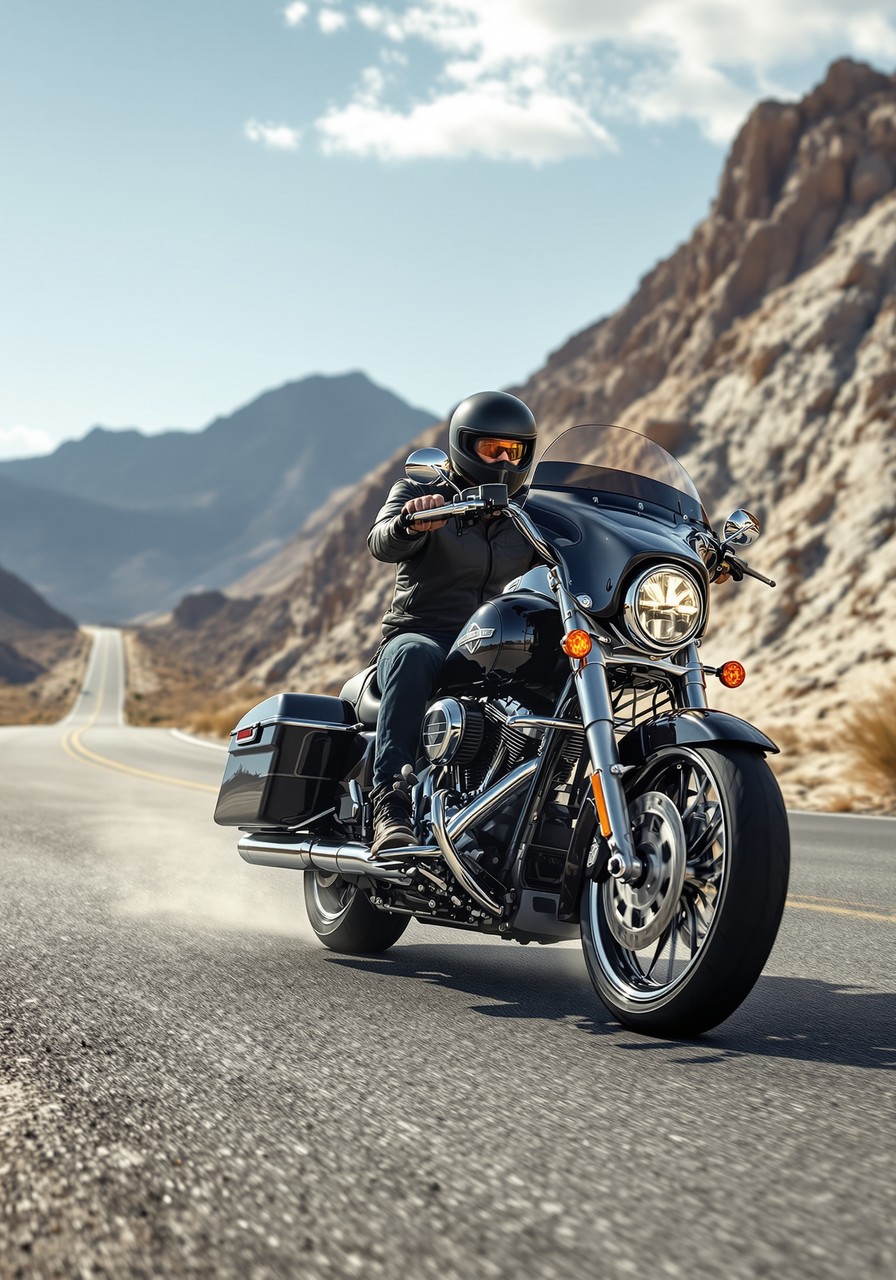
Local NV & Rides
Loose sand blows across Valley of Fire Highway and pools in dips and shaded spots. Treat every sandy patch like ice and stay smooth. #RideNationNV #ValleyOfFire #DesertRiding
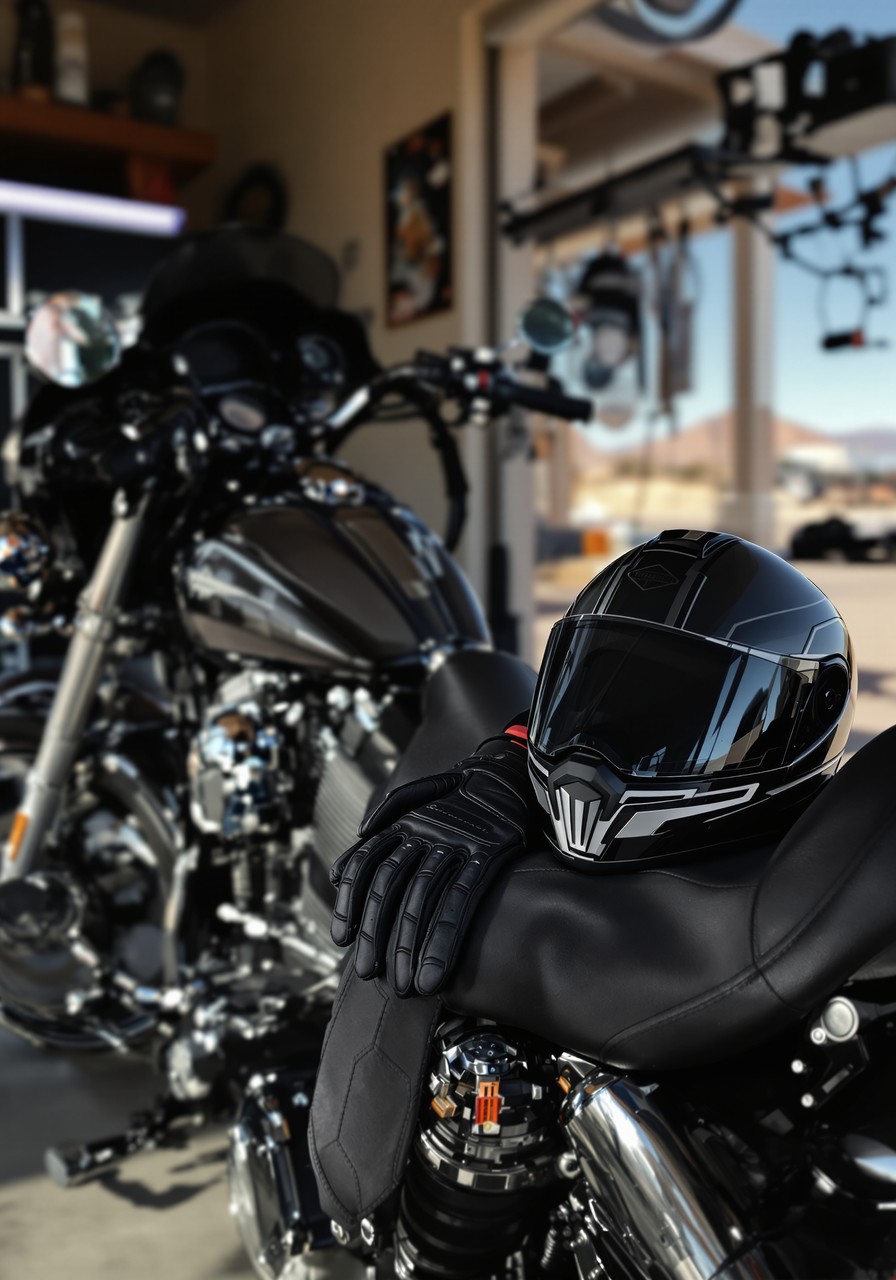
Gear & New Iron
Storing the bike for a stretch? Add fuel stabilizer, top off the tank, and run it a minute so the good stuff reaches the carbs or injectors. #RideNationNV #MotorcycleMaintenance #RiderTips
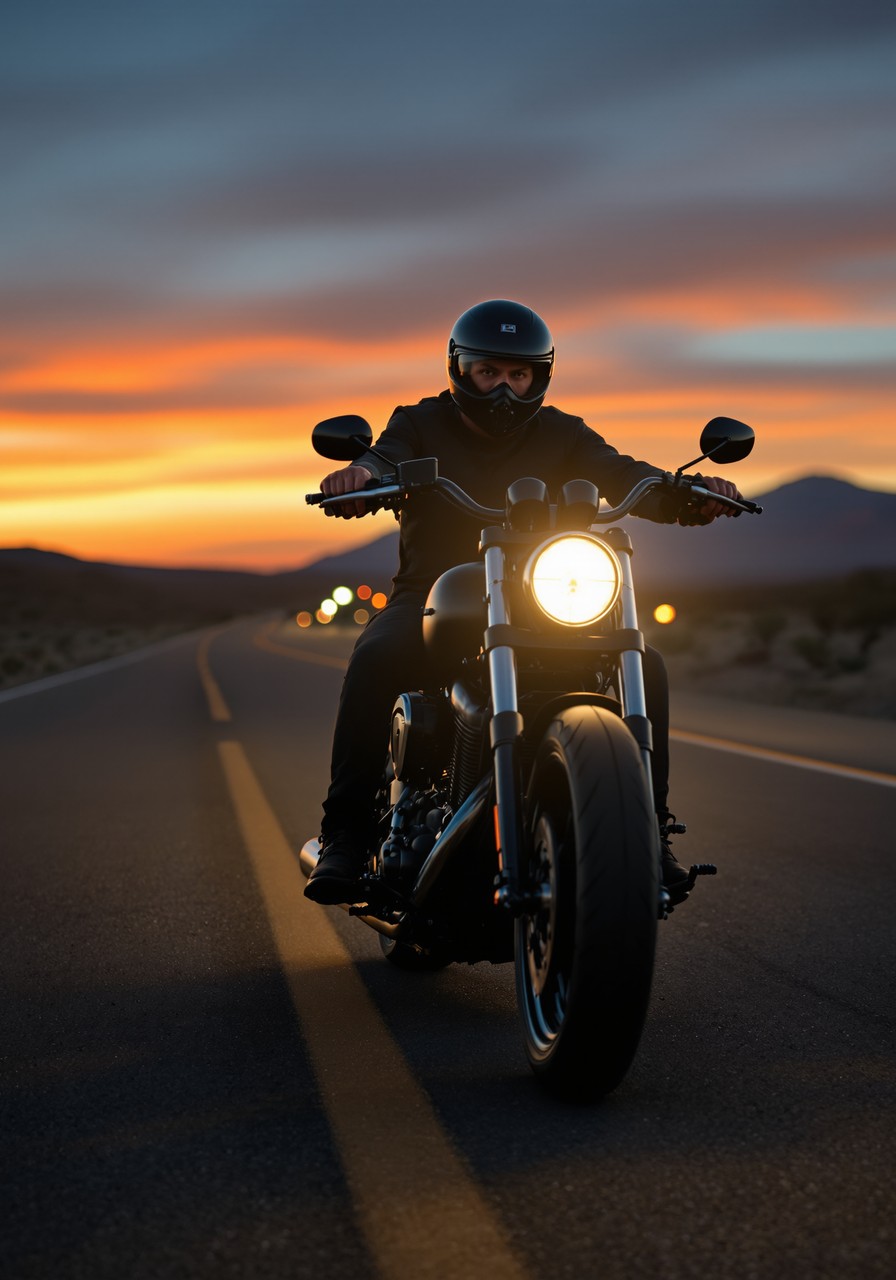
Safety & NV Law
When a driver claims they never saw you, that is on them, not you. Nevada law does not excuse a driver for failing to look for motorcycles. Know where you stand at ericblanklaw.com. #RideNationNV #RiderRights #KnowYourRights
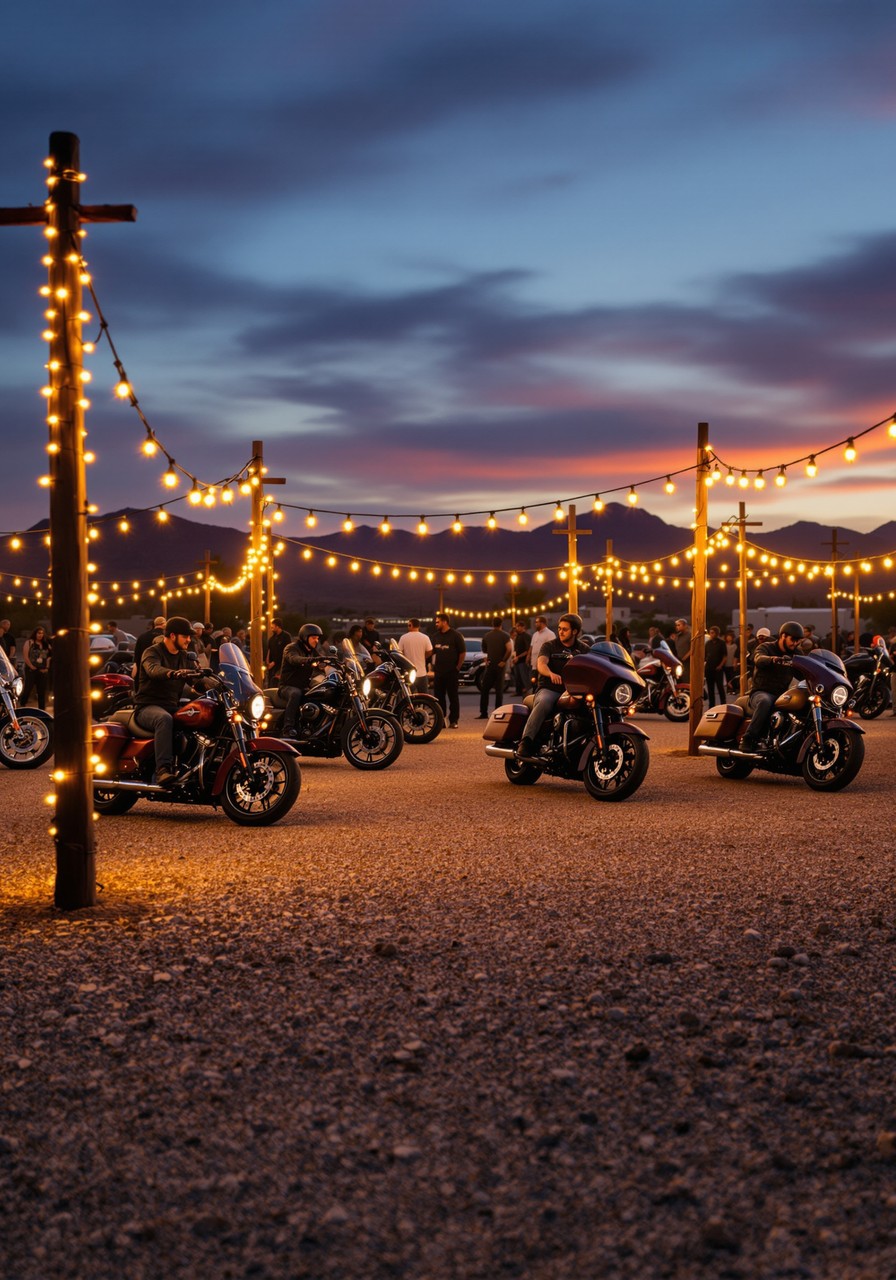
Engagement
Caption this: a whole row of bikes lined up at the weekend meetup. #RideNationNV #VegasRiders #TwoWheels
Giveaway & Countdown
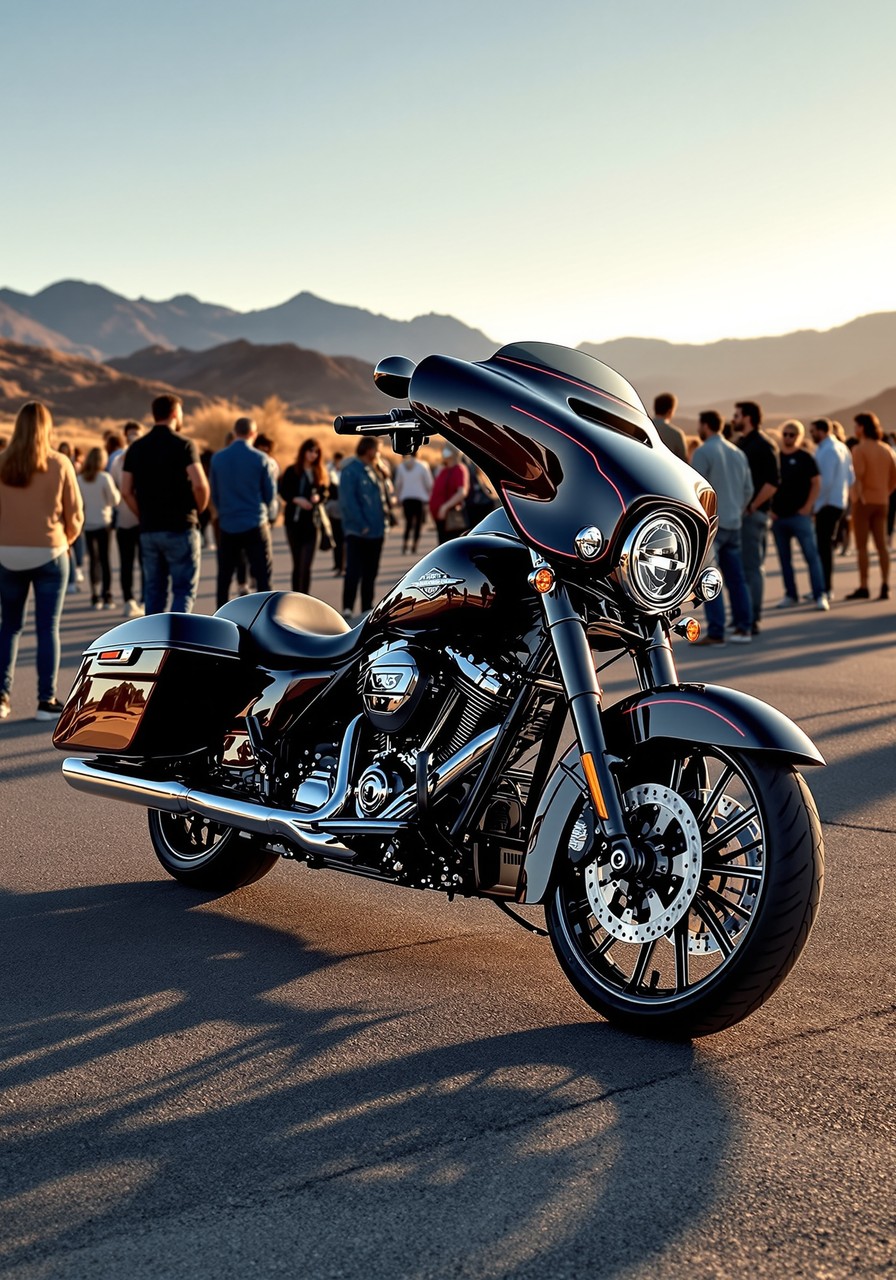
The desert is calling and so is $20,000. Keep the countdown going, Ride Nation. #RideNationNV #BikersWin #DesertRiding
Local NV & Rides
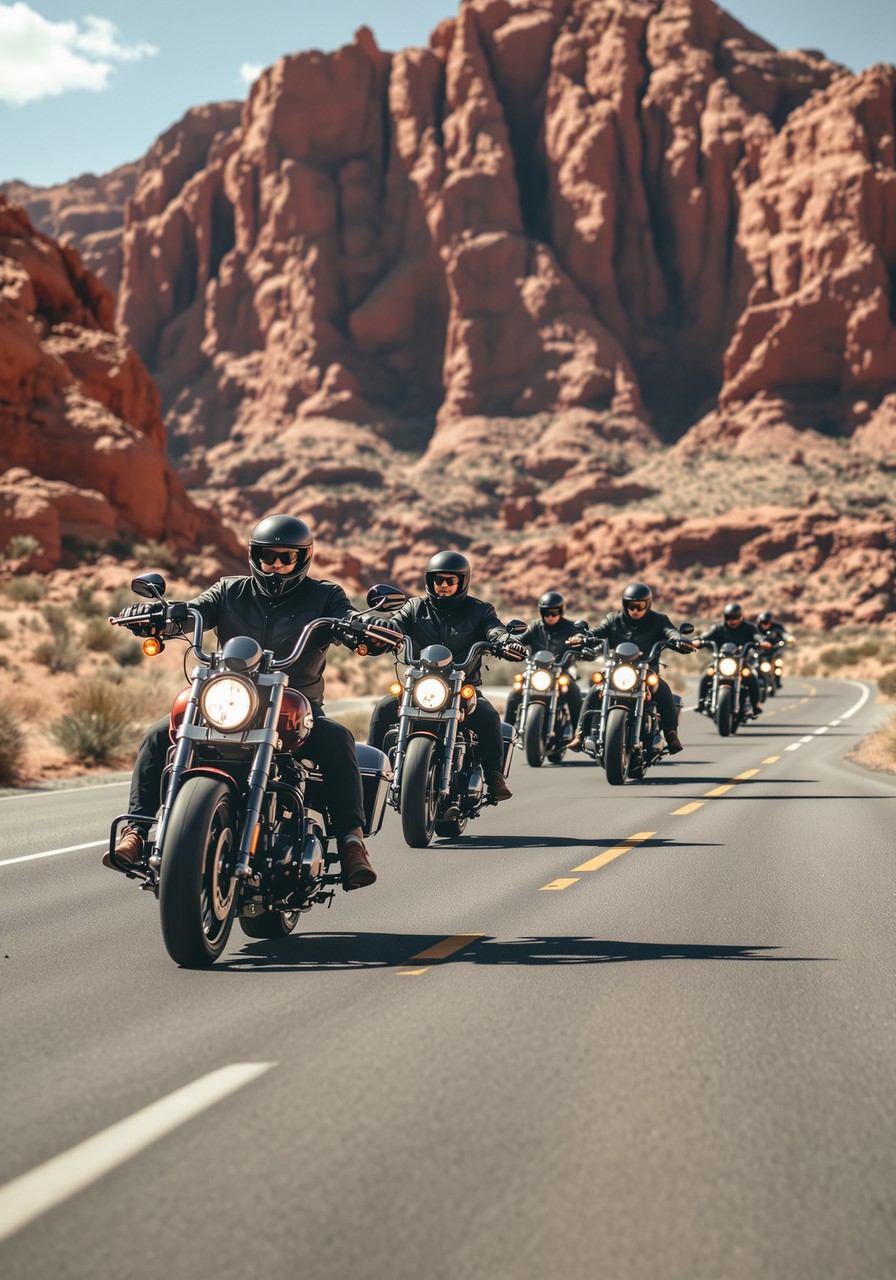
Weeknight bike nights are back in full swing with the cooler air. Come out, meet the crew, and swap winter route ideas with Ride Nation. #RideNationNV #VegasRiders #NevadaRiders
Gear & New Iron
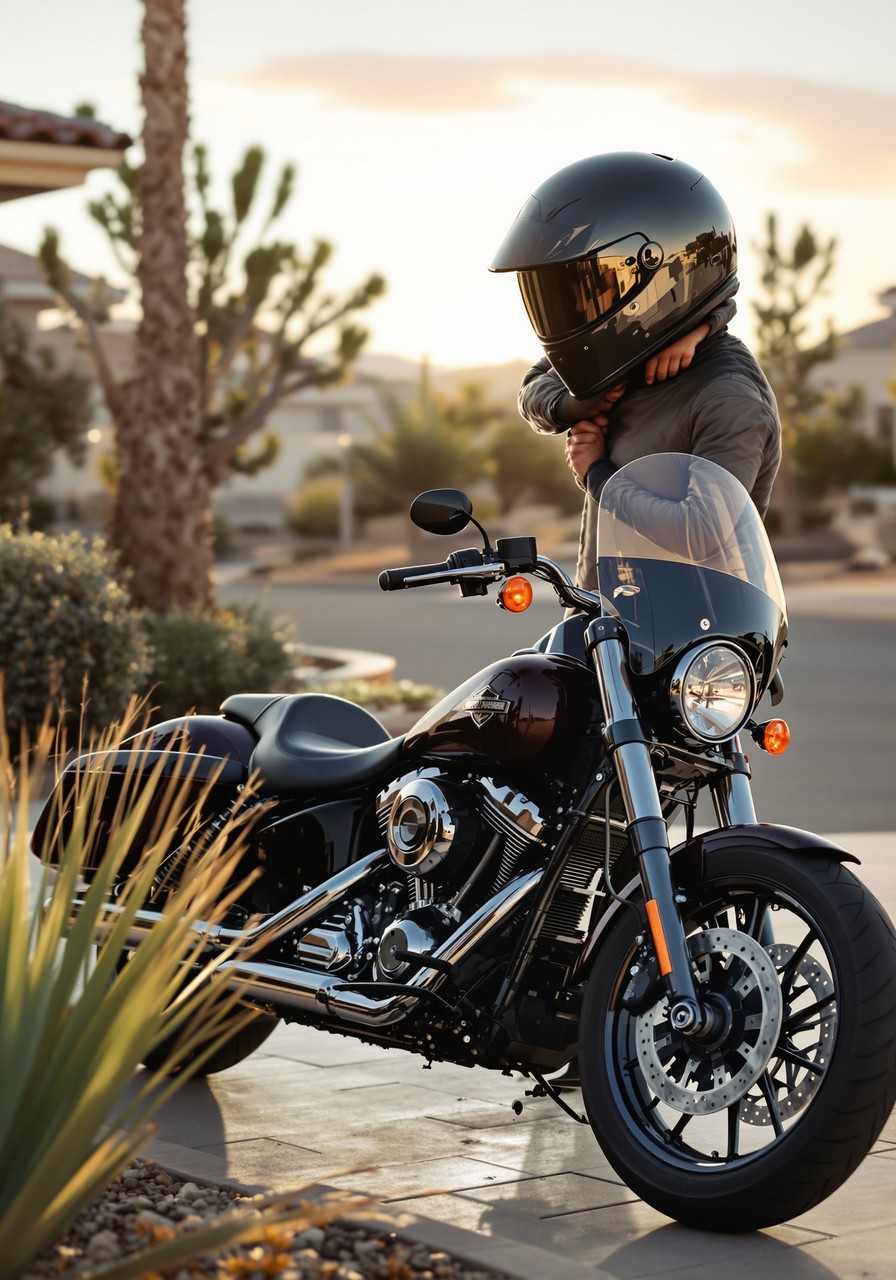
Long layoff plan: stabilized fuel, battery on a tender, tires off the cold concrete, and a cover against the dust. Future you will thank present you. #RideNationNV #MotorcycleMaintenance #RiderTips
Safety & NV Law
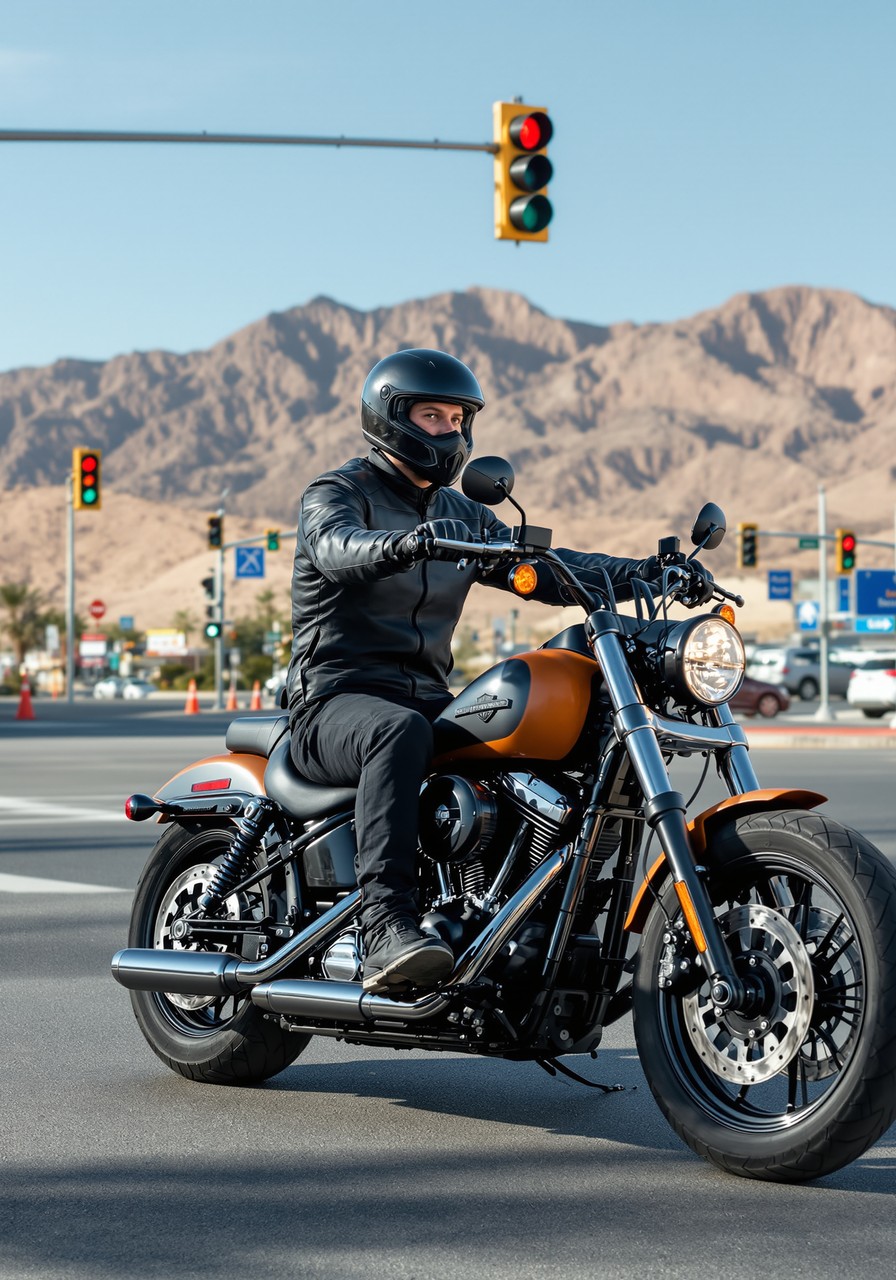
The valley's rental cars and out-of-state plates mean a real chance the driver who hits you is underinsured or gone. UM/UIM is the coverage that still pays. Learn more at ericblanklaw.com. #RideNationNV #VegasRiders #NevadaRiders
Engagement
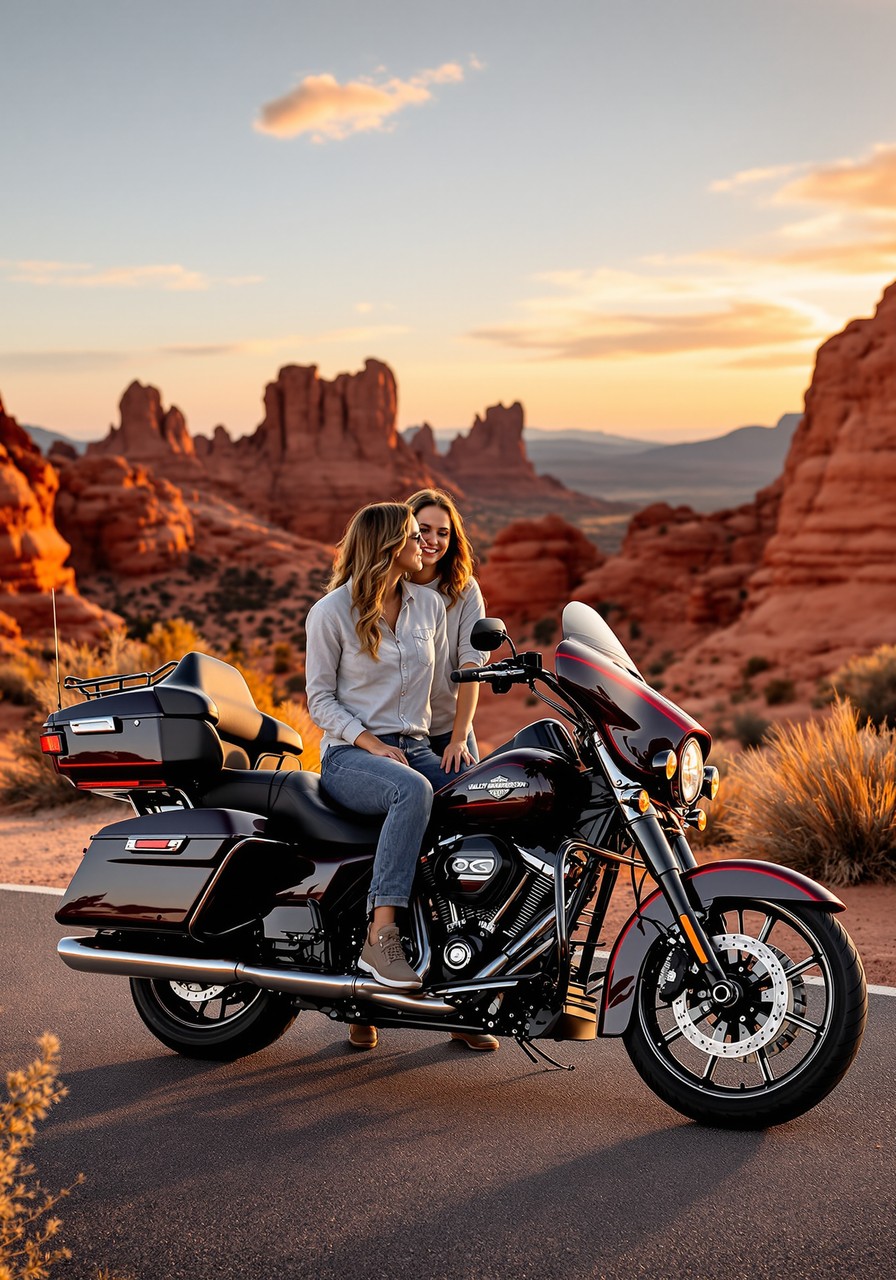
Poll: sunrise start or a lazy late-morning roll-out on a mild winter day? #RideNationNV #DesertRiding #NevadaRiders
Giveaway & Countdown
Big things ahead for one lucky rider. Twenty thousand dollars is on the line. #RideNationNV #20kGiveaway #NevadaRiders
Local NV & Rides
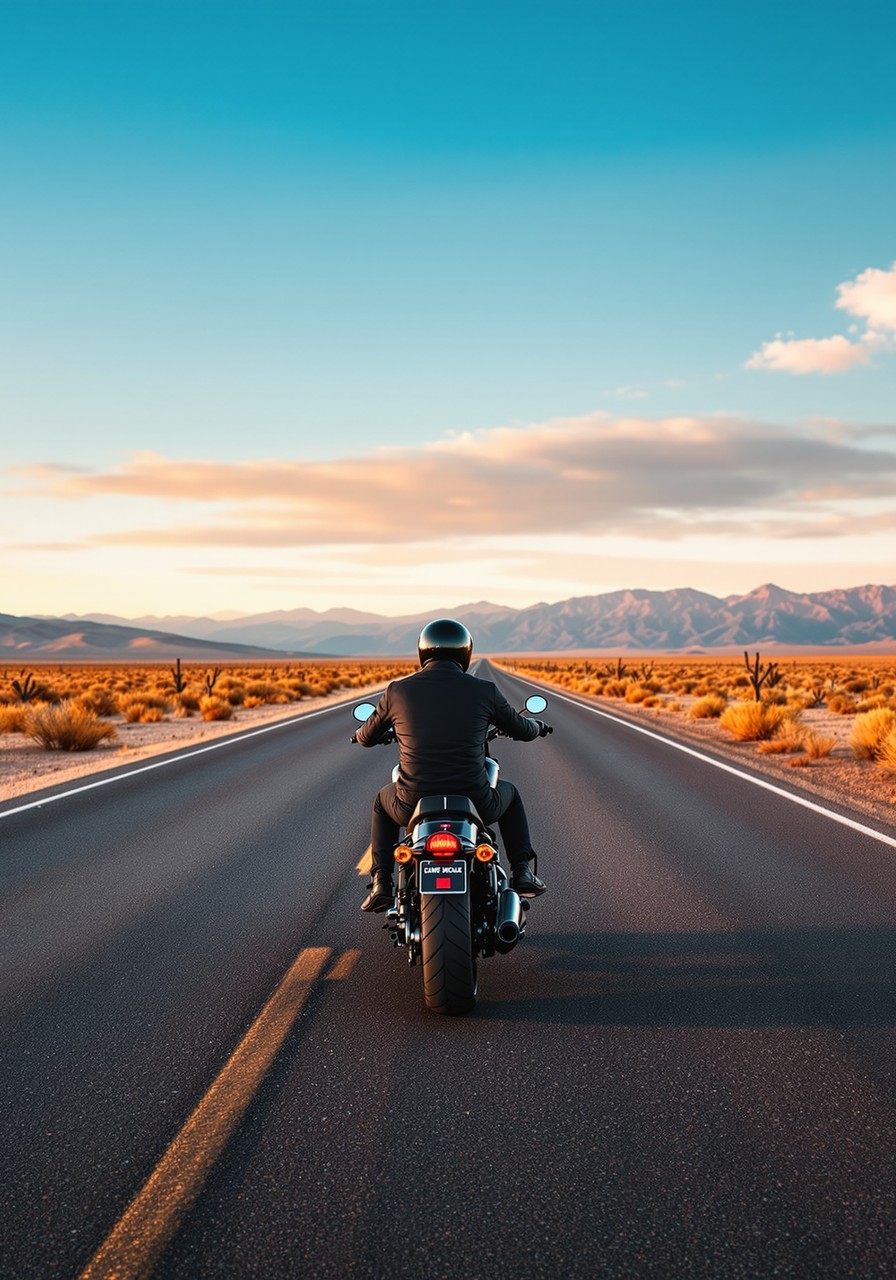
Kyle Canyon to the lodge on SR-157 is a beautiful climb, but the return descent stays shaded and icy well into the afternoon. Plan your timing. #RideNationNV #MountCharleston
Gear & New Iron
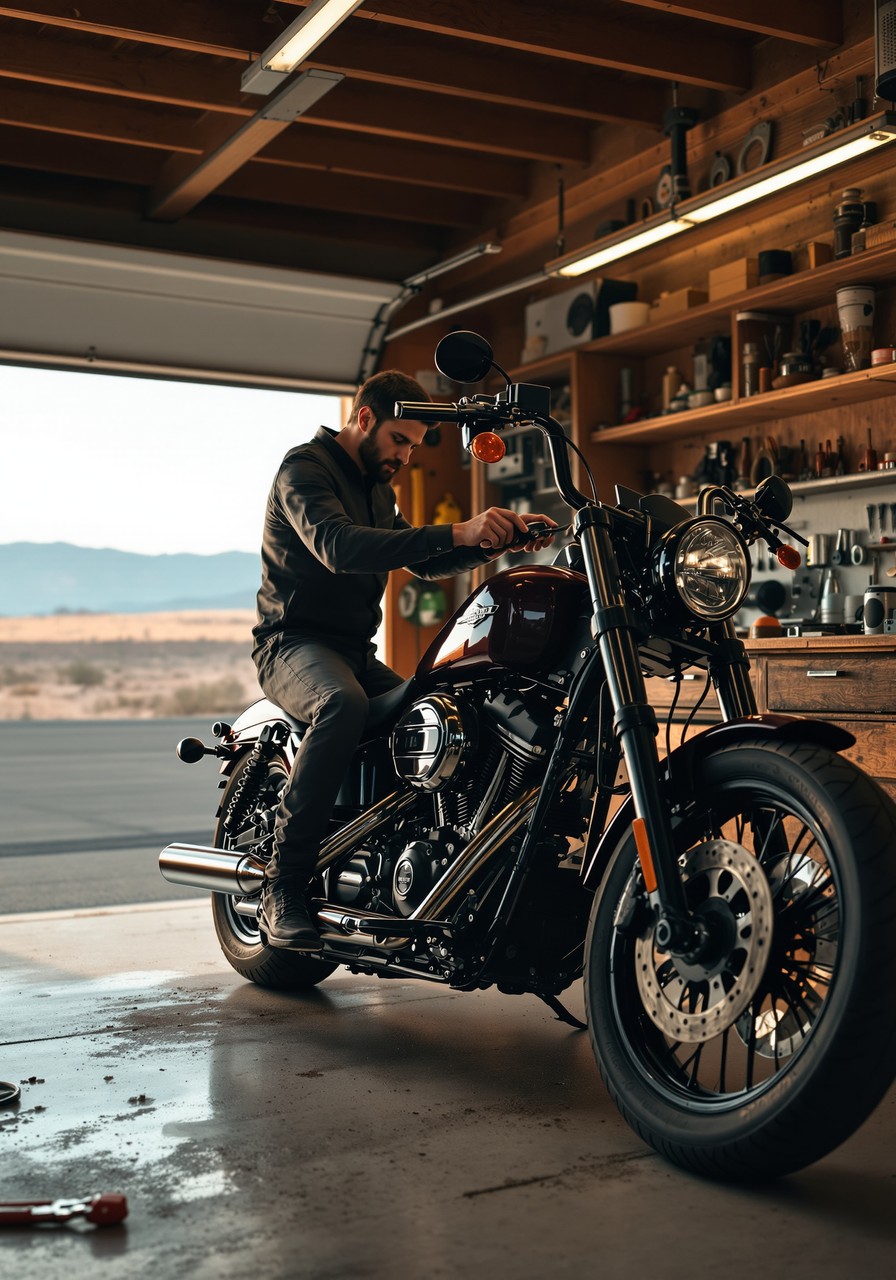
New iron talk: if you are shopping a bike built for heat, look at oil coolers, big radiators, and real airflow to the rider. Comfort in summer is a spec, not a luxury. #RideNationNV #NewIron #DesertRiding
Safety & NV Law
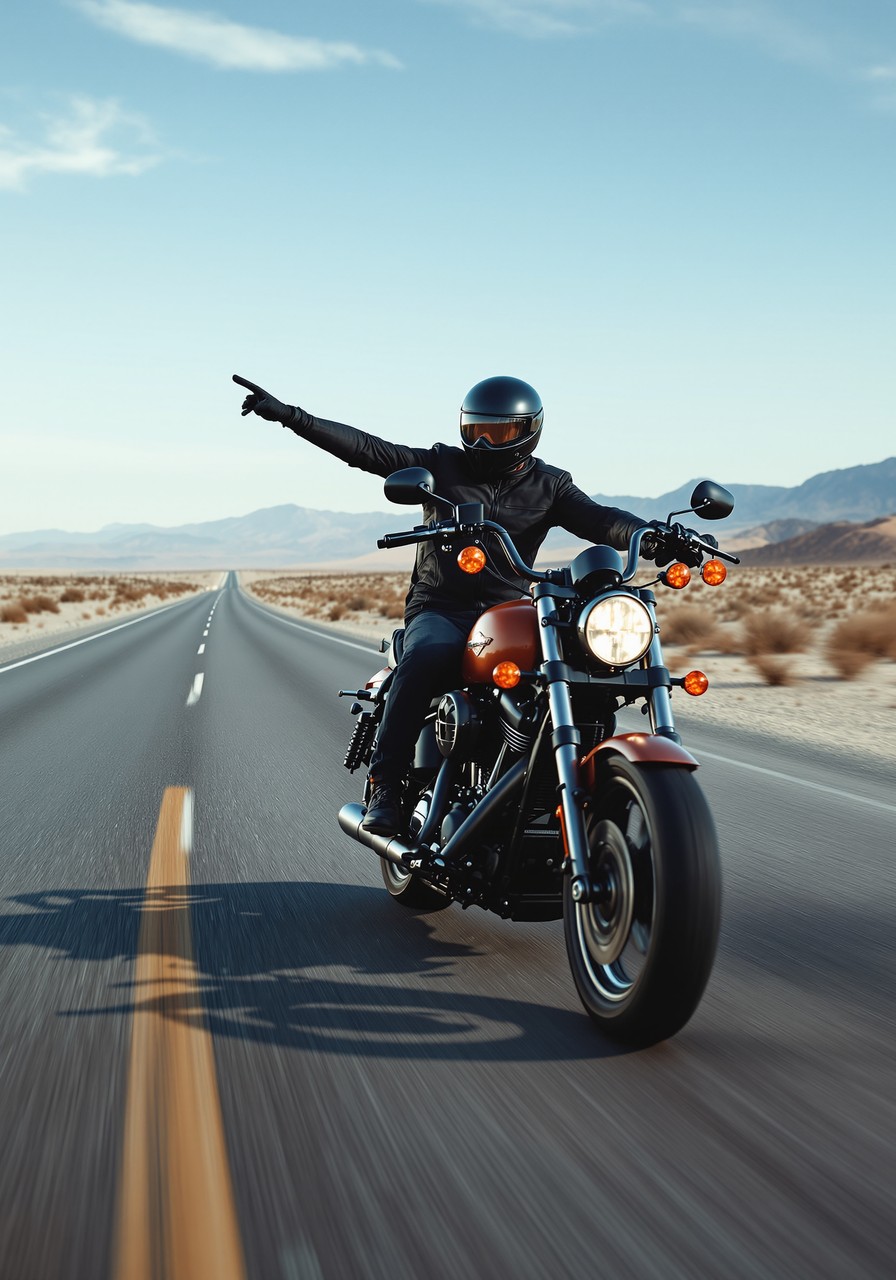
Do not apologize or guess at fault at the scene. A quick I'm sorry can be twisted into an admission that an adjuster uses to cut your Nevada claim. Free case review at ericblanklaw.com. #RideNationNV #RiderRights #KnowYourRights
Engagement
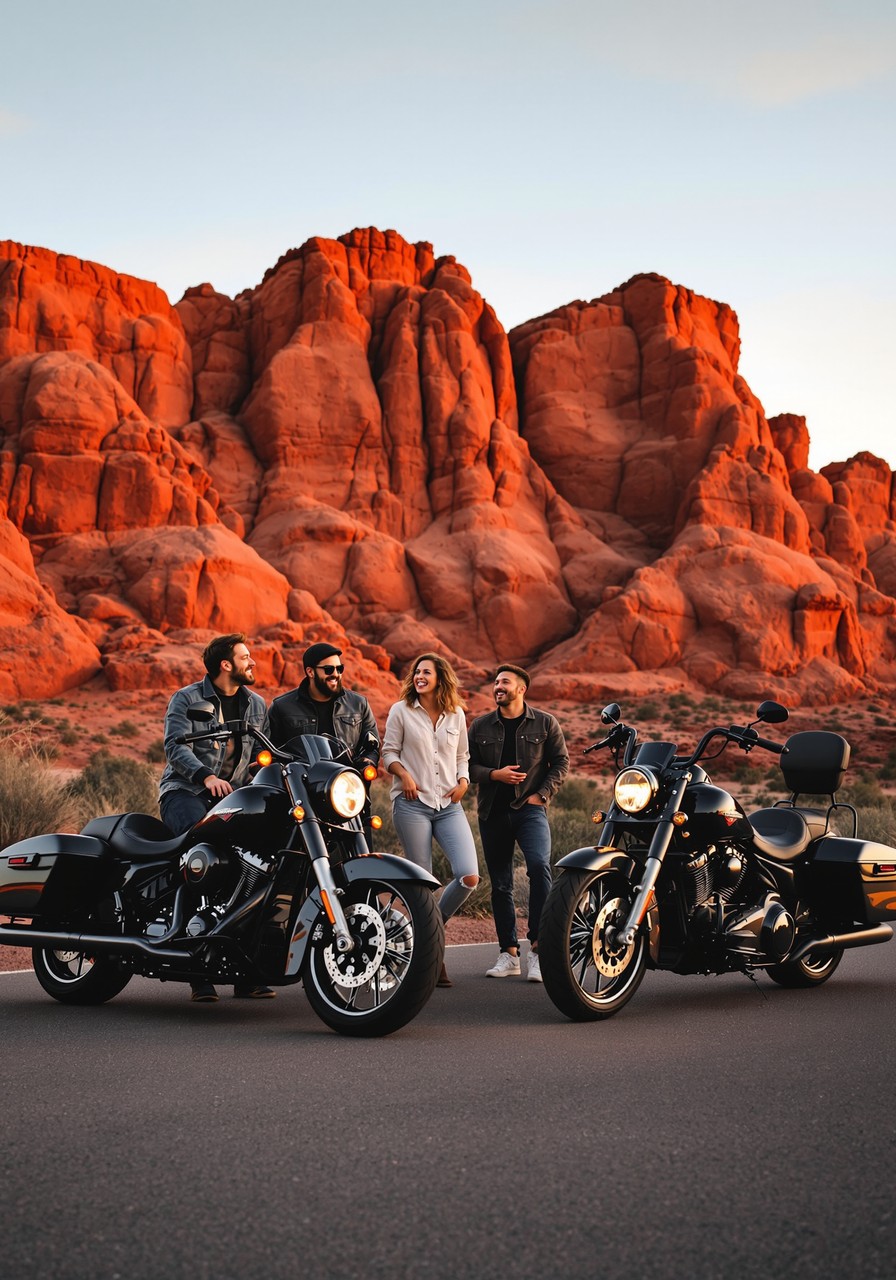
Fill in the blank: My dream Nevada ride day looks like ______. Paint the picture. #RideNationNV #RedRockCanyon #VegasRiders
Giveaway & Countdown
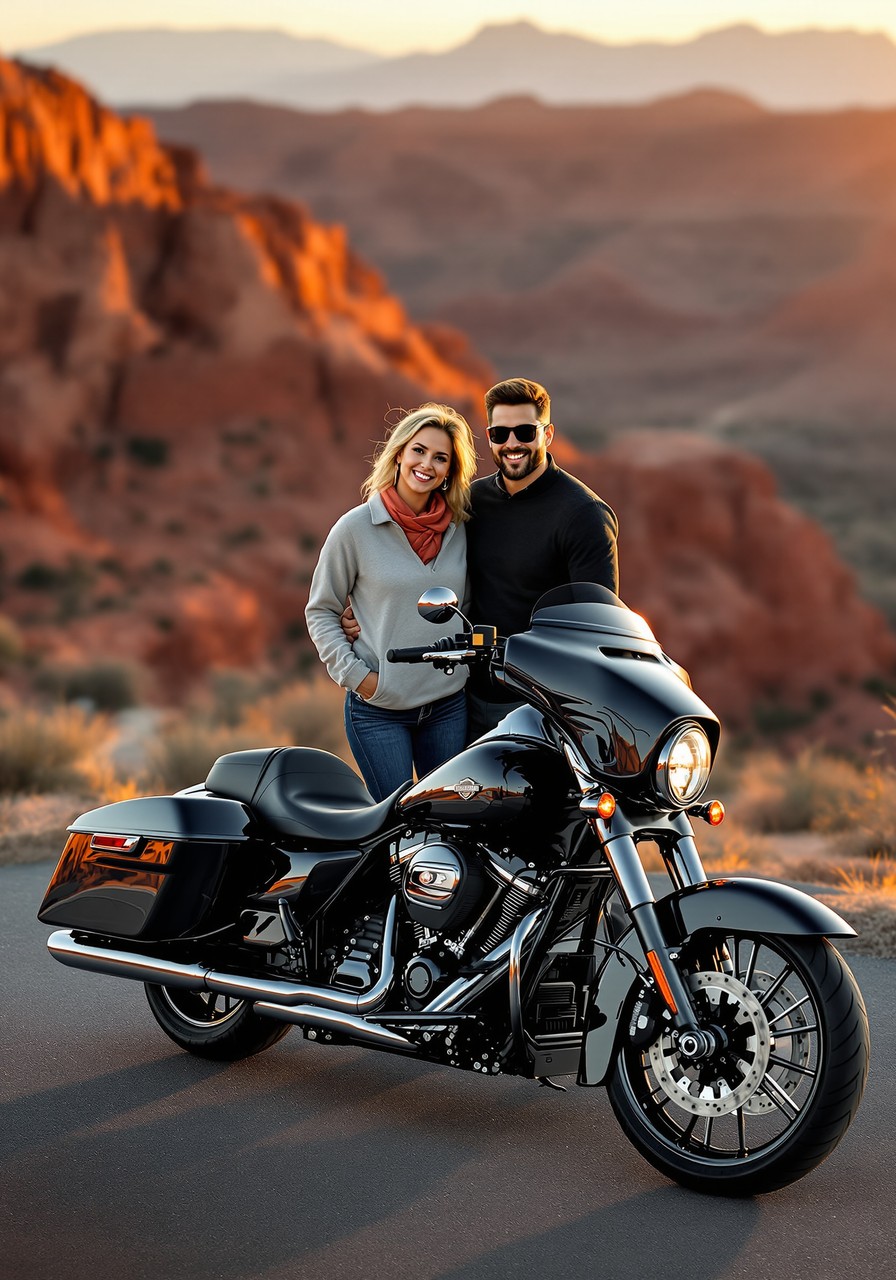
Rally the crew, Vegas. The BikersWin giveaway is more fun when we all ride together. #RideNationNV #MotorcycleGiveaway #VegasRiders
Local NV & Rides
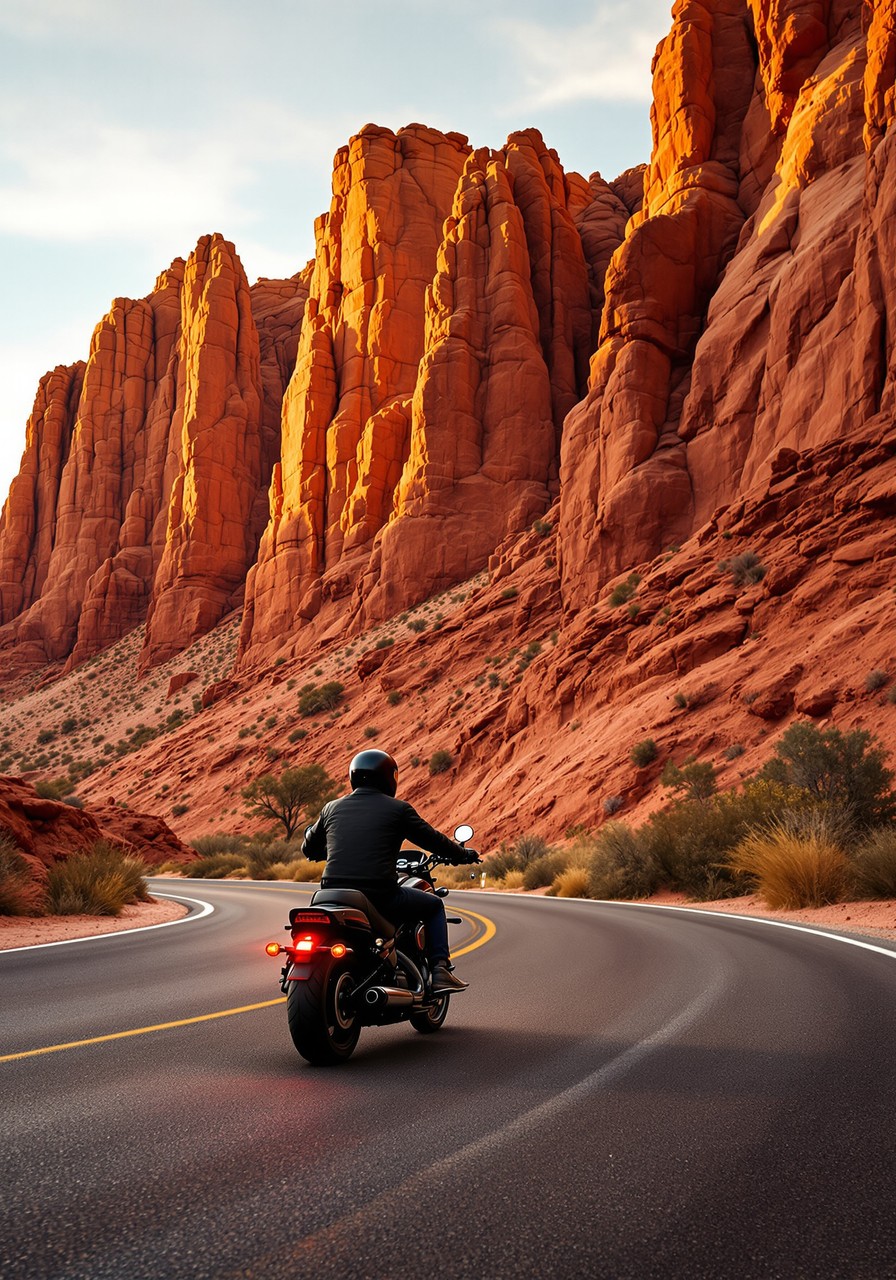
Hoover Dam and the Boulder area make an easy half-day loop when you want a relaxed cool-weather ride close to town. #RideNationNV #NevadaRiders #MotorcycleRoads
Gear & New Iron
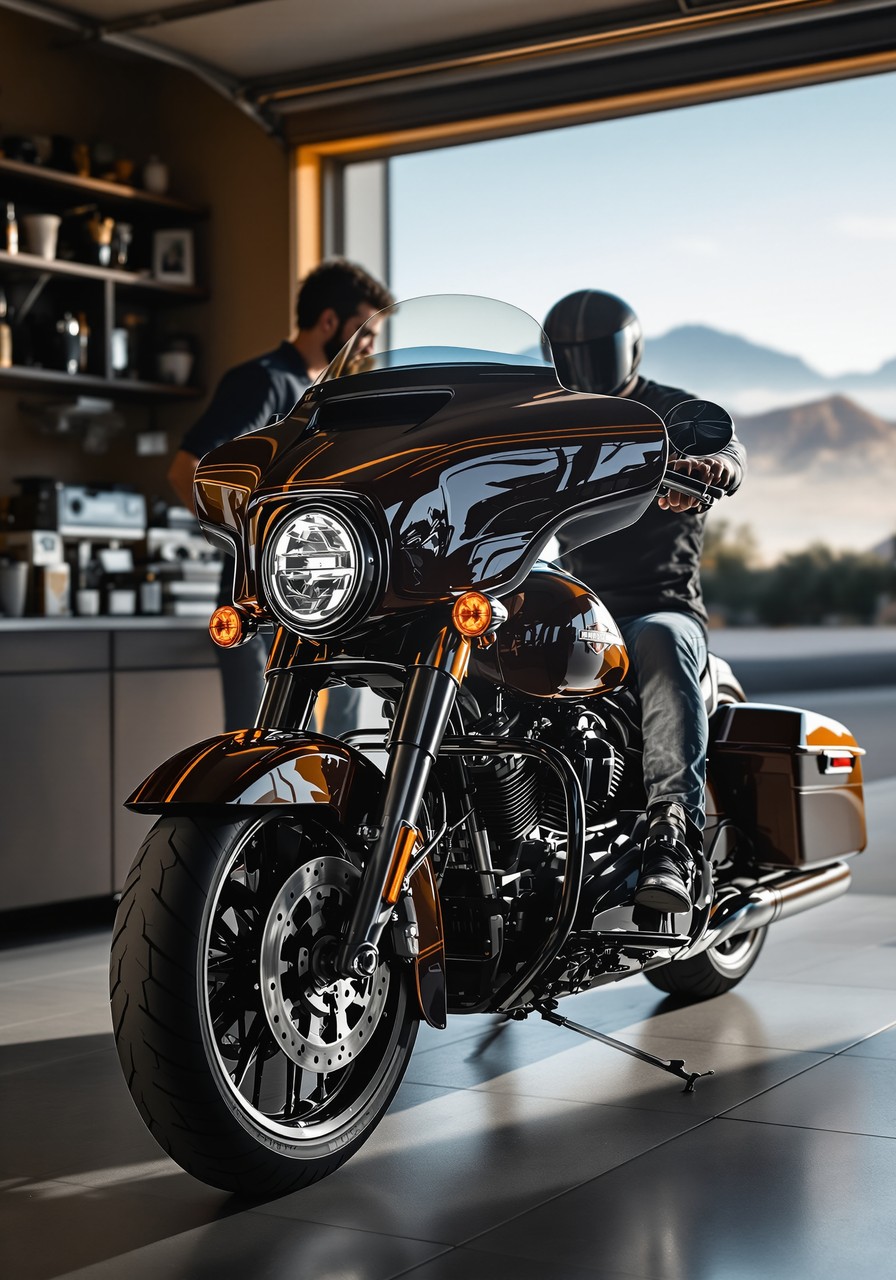
Test riding a new model this season? Bring your own helmet and gloves so the fit does not lie to you on the demo loop. #RideNationNV #NewIron #GearUp
Safety & NV Law
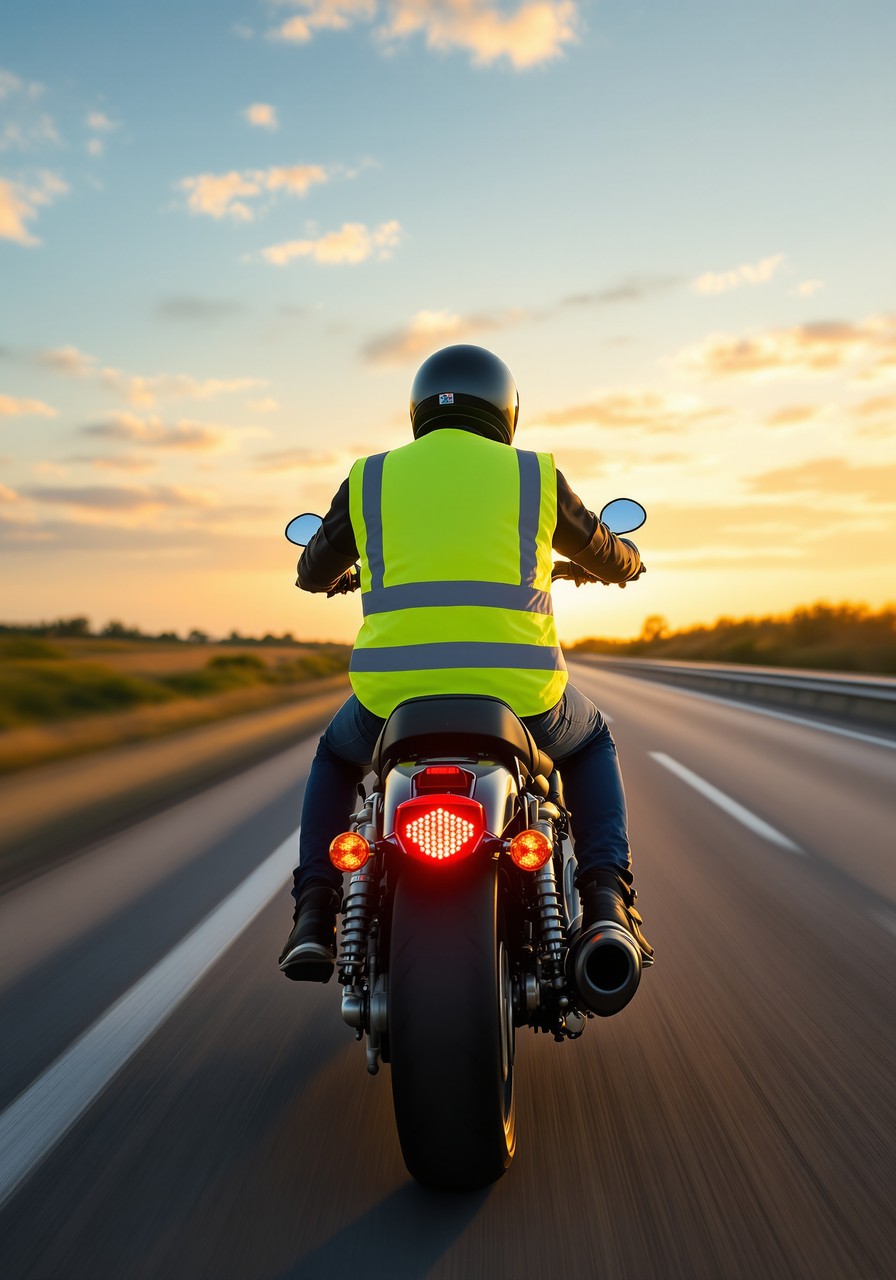
Sun glare at dawn and dusk hides riders in plain sight on east-west valley roads. Adjust your lane position so you are not swallowed by the light behind you. #RideNationNV #VegasRiders #MotorcycleSafety
Engagement
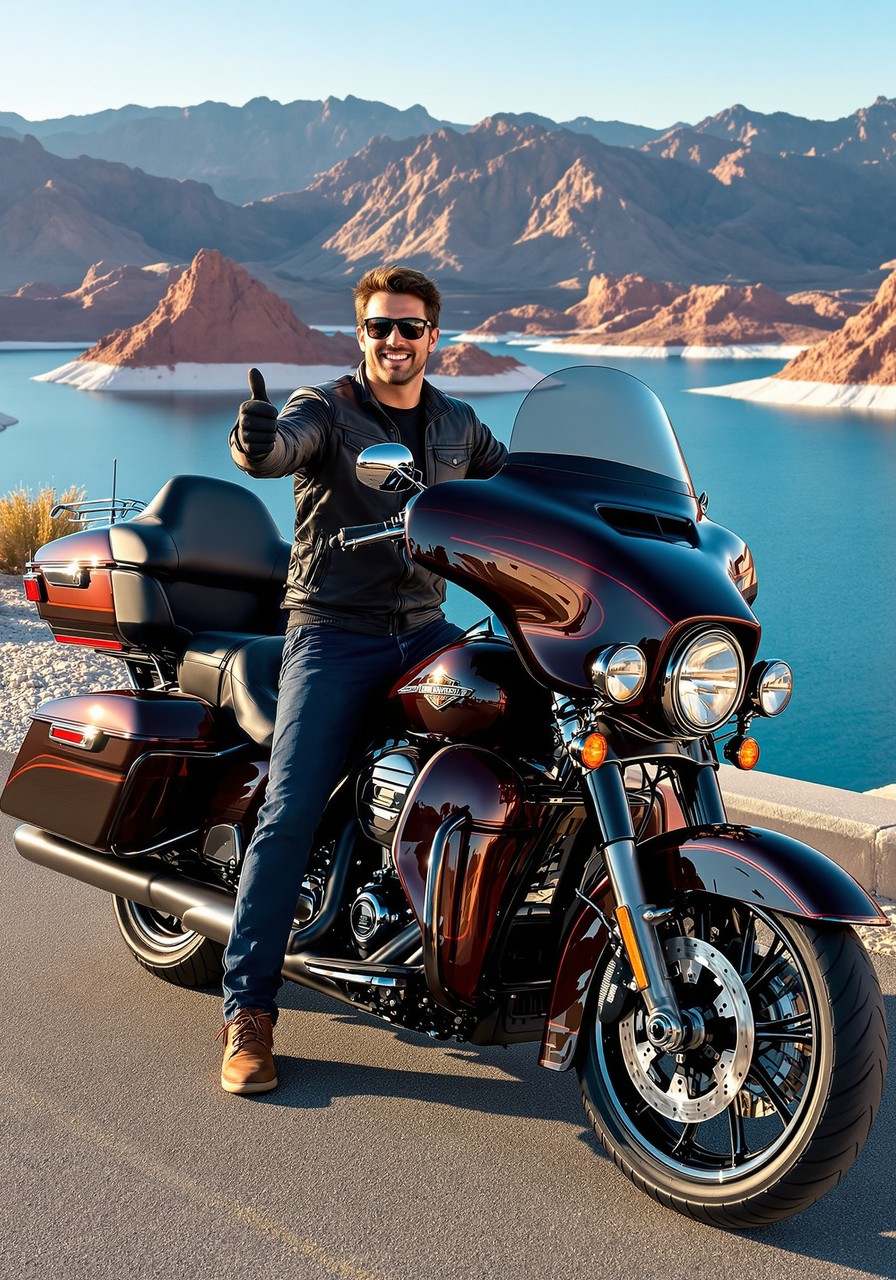
Tell us the road you take when you just need to ride and clear your head. #RideNationNV #DesertRiding #NevadaRiders
Giveaway & Countdown
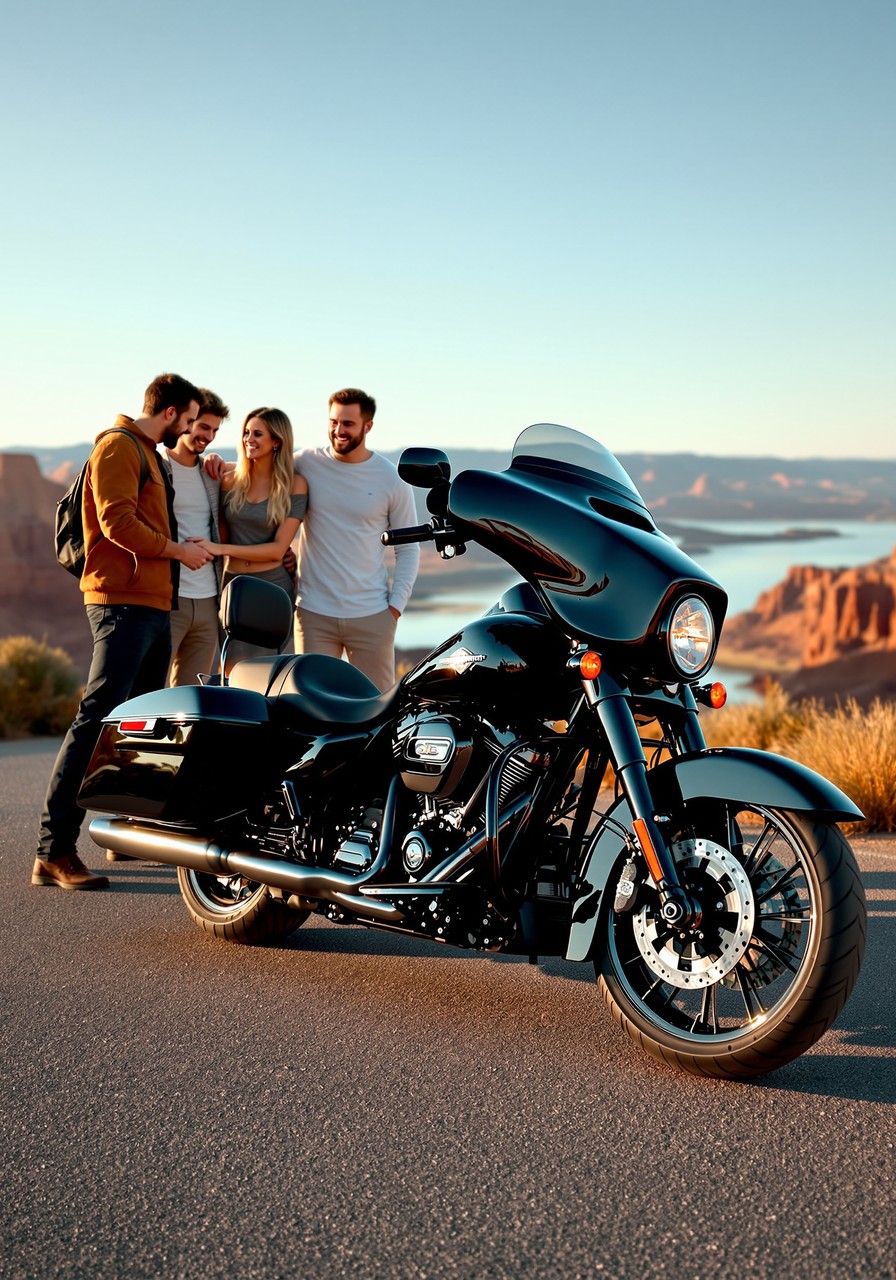
Feel that? That is the countdown buzz. $20K is closer than you think. #RideNationNV #BikersWin #DesertRiding
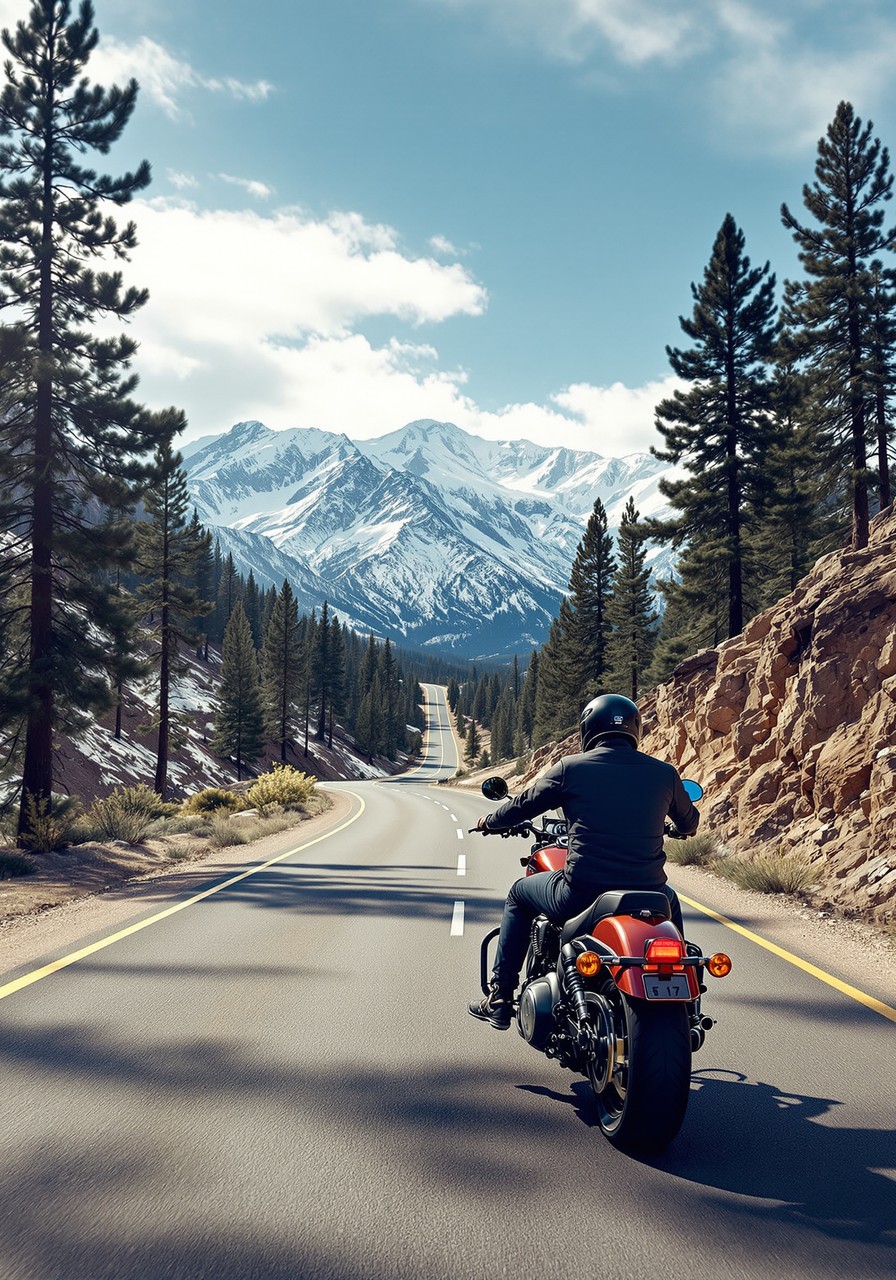
Local NV & Rides
Wind advisories on I-15 and US-95 are not a suggestion for two wheels. When the gusts get serious, save the ride for tomorrow. #RideNationNV #DesertRiding #VegasRiders
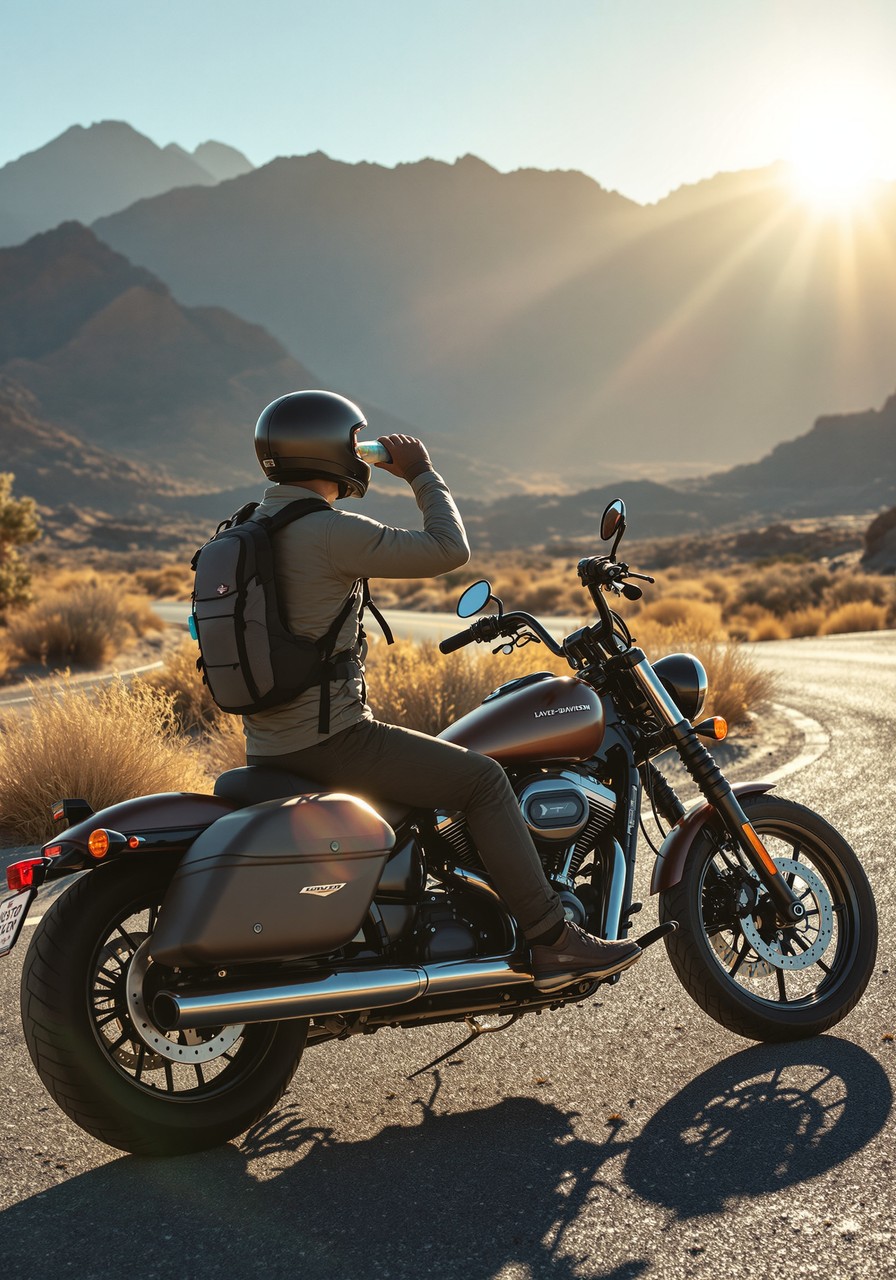
Gear & New Iron
New bike, new tires, new brain. Ride the first few hundred miles easy while the tires scrub in and you learn how it stops. #RideNationNV #NewIron #RiderTips
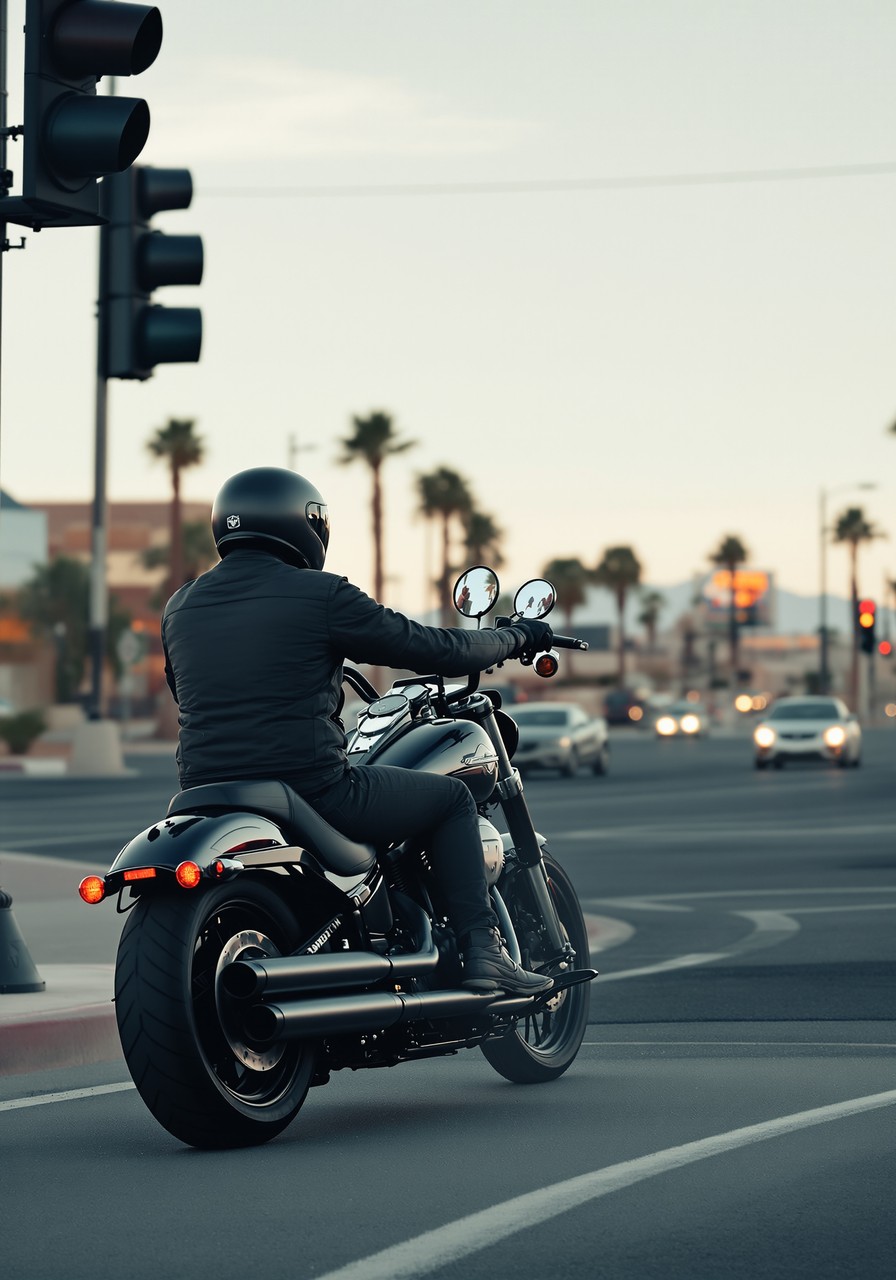
Safety & NV Law
Refuse the roadside settlement. The first number an insurer floats after a Nevada crash is built to close cheap before you know the full extent of your injuries. Get a free case review at ericblanklaw.com. #RideNationNV #RiderRights #KnowYourRights
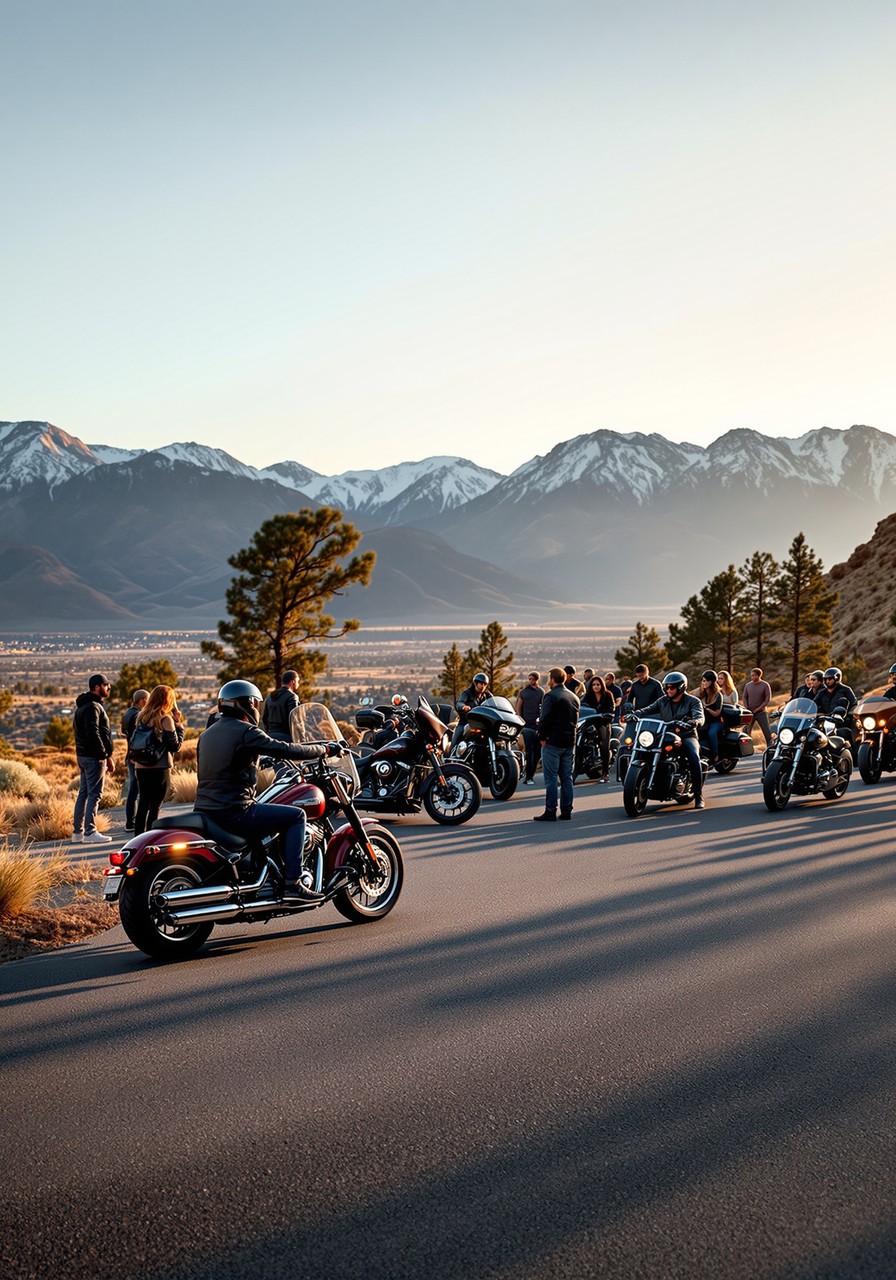
Engagement
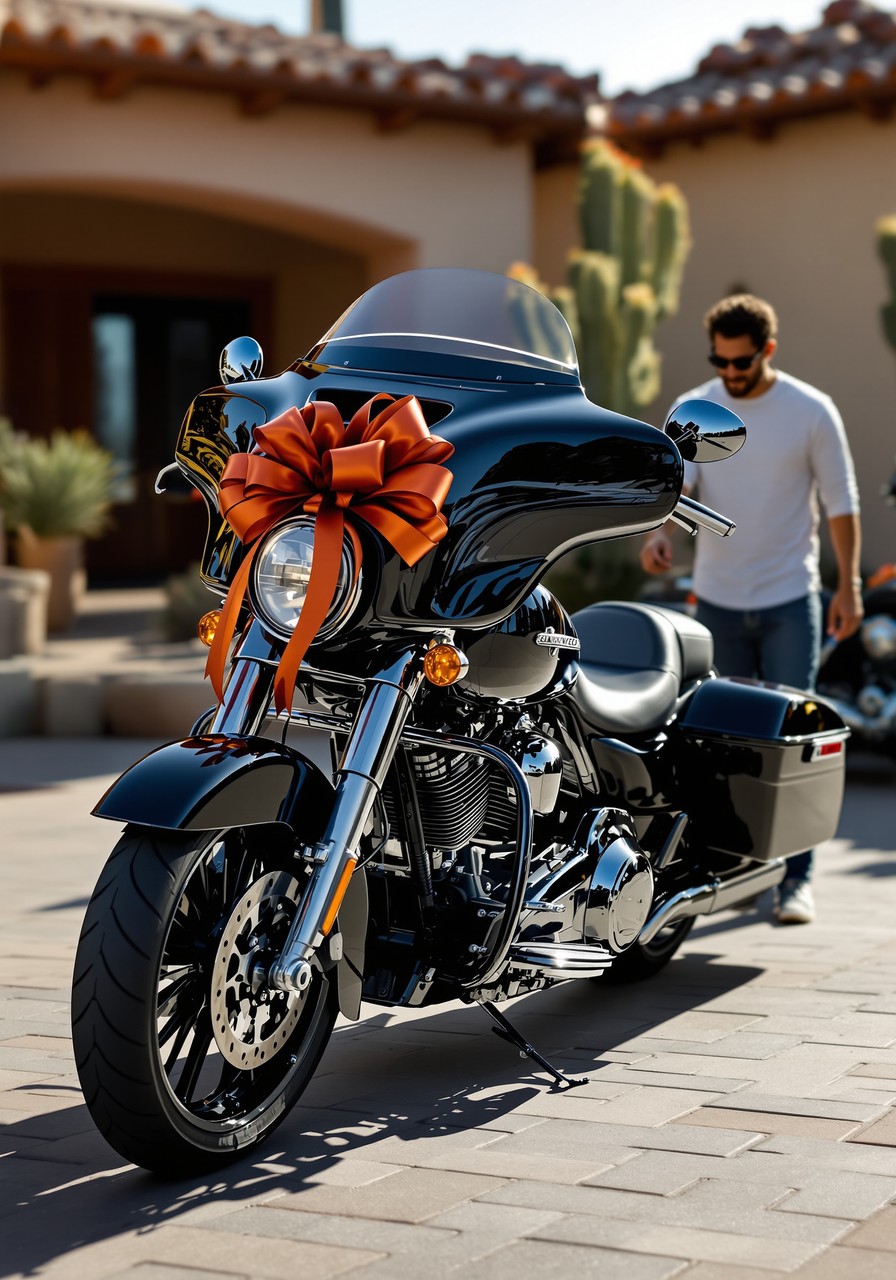
This or that: chrome or blacked-out. Show us how yours is built. #RideNationNV #TwoWheels #VegasRiders
Giveaway & Countdown
Every share brings another rider into the BikersWin giveaway. Keep passing it on. #RideNationNV #MotorcycleGiveaway #NevadaRiders
Local NV & Rides
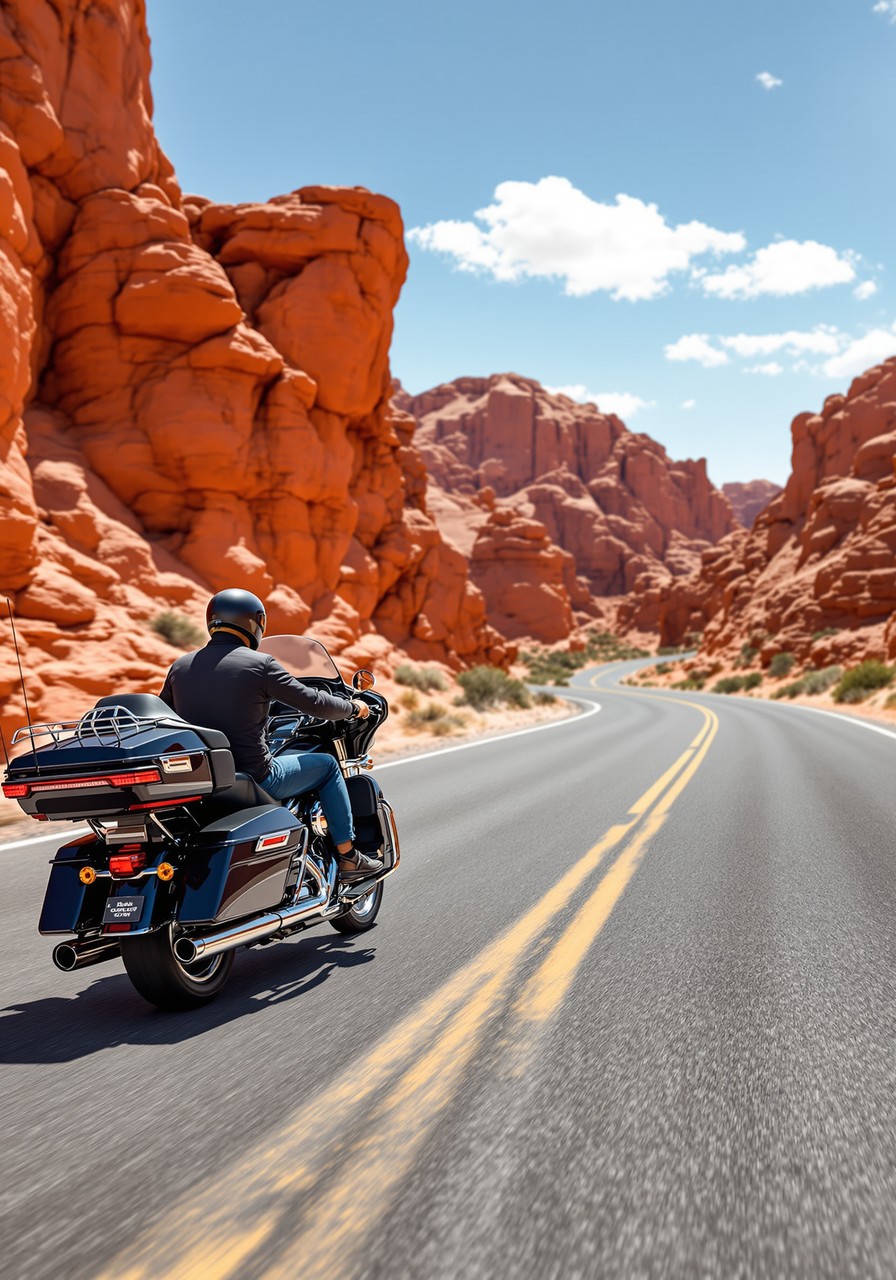
Mount Potosi is where you go for quiet miles and big desert views away from the crowds. Pack out what you pack in and keep it clean. #RideNationNV #NevadaRiders #DesertRiding
Gear & New Iron
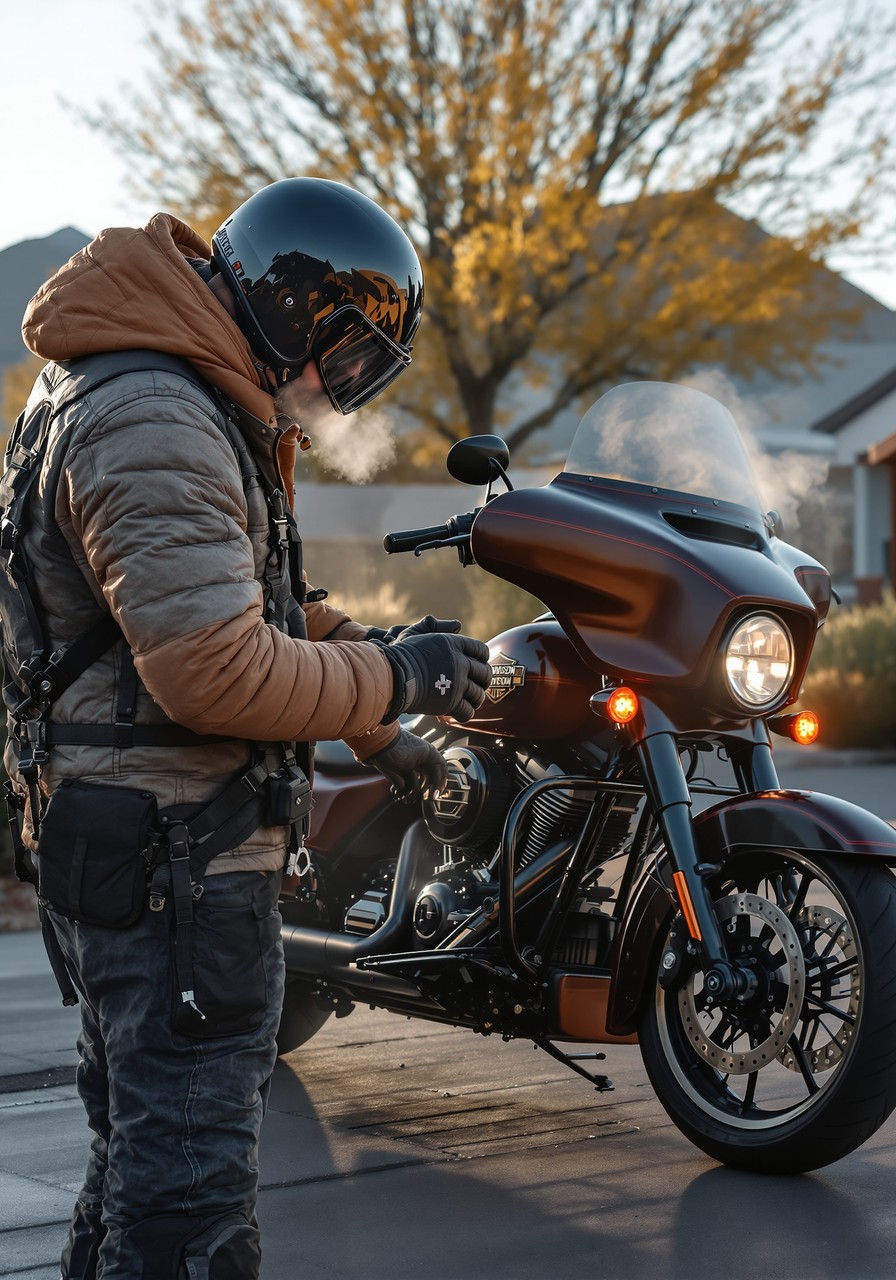
Adventure and touring bikes keep getting better at swallowing desert miles. If your current iron beats you up in the heat, that is a real reason to look. #RideNationNV #NewIron #BikerLife
Safety & NV Law
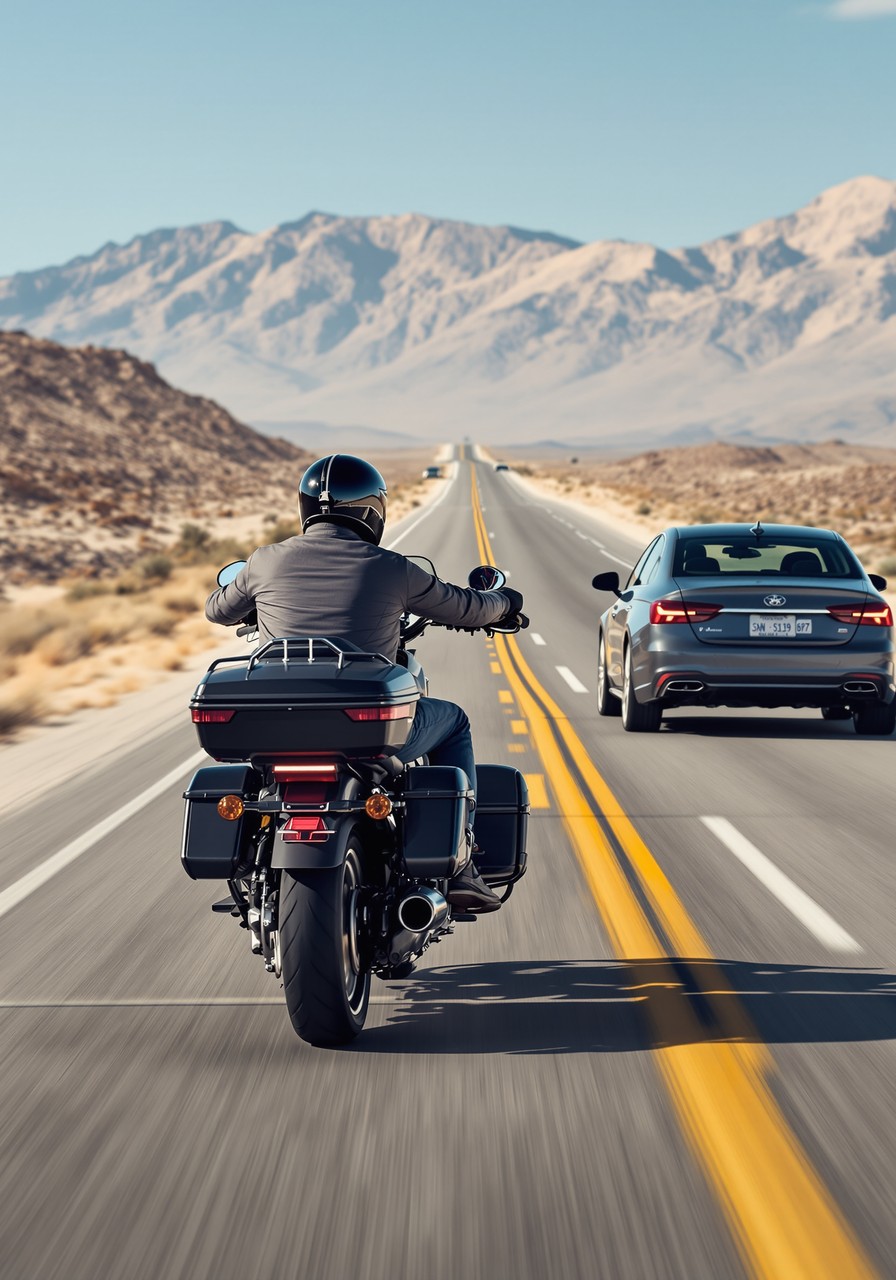
Distracted drivers on Boulder Highway and the Strip are looking at screens, not bikes. Ride with a buffer, a plan, and an escape route on every block. #RideNationNV #MotorcycleSafety #VegasRiders
Engagement
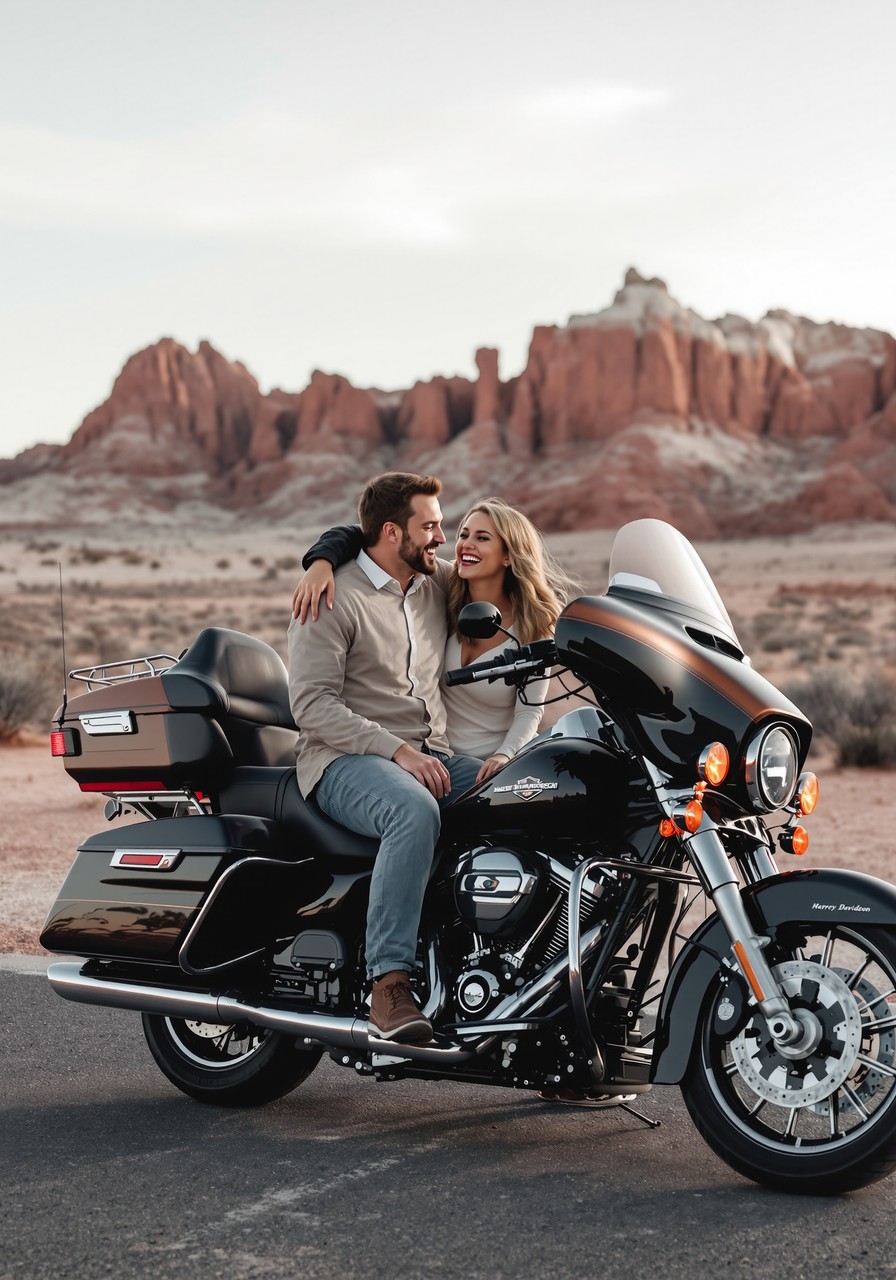
Question: what is one piece of advice you would give a brand-new Vegas rider? Keep it to one line. #RideNationNV #NevadaRiders #RideOrDie
Giveaway & Countdown
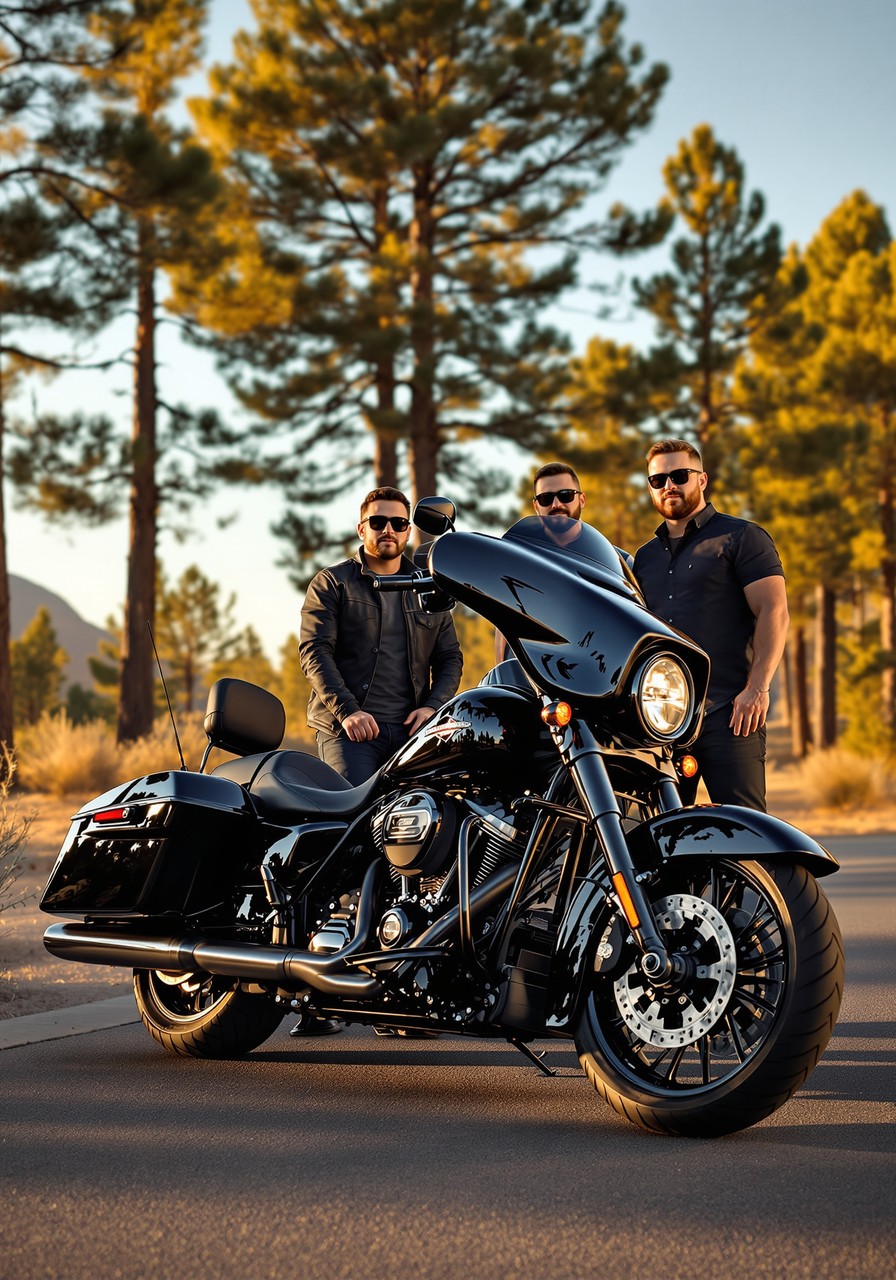
The finish line is in sight, Ride Nation. Someone is winning $20,000. Stay tuned. #RideNationNV #20kGiveaway #VegasRiders
Local NV & Rides
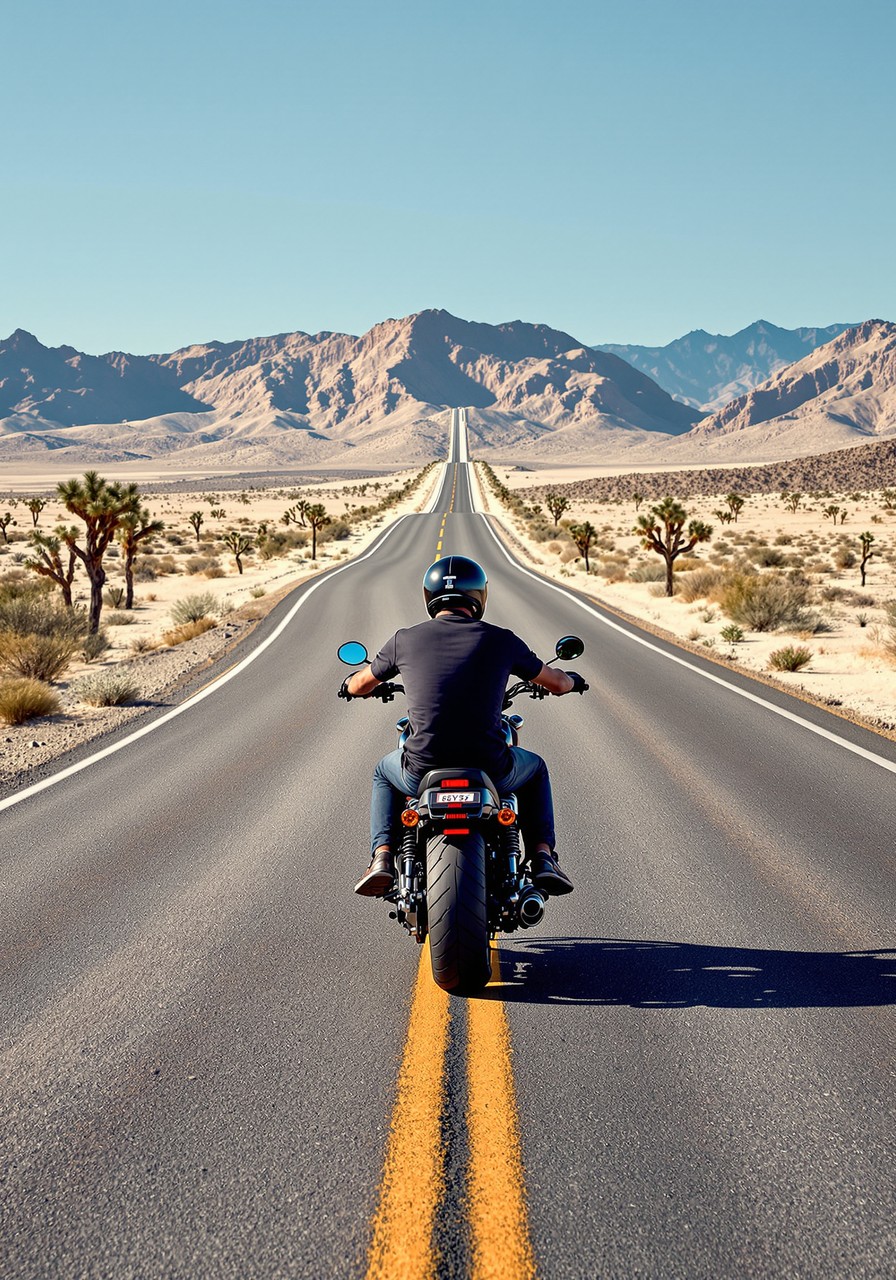
Golden hour over Red Rock in winter is the payoff for an early alarm. Beat the tour buses, ride the Scenic Loop, and be home for breakfast. #RideNationNV #RedRockCanyon #VegasRiders
Gear & New Iron
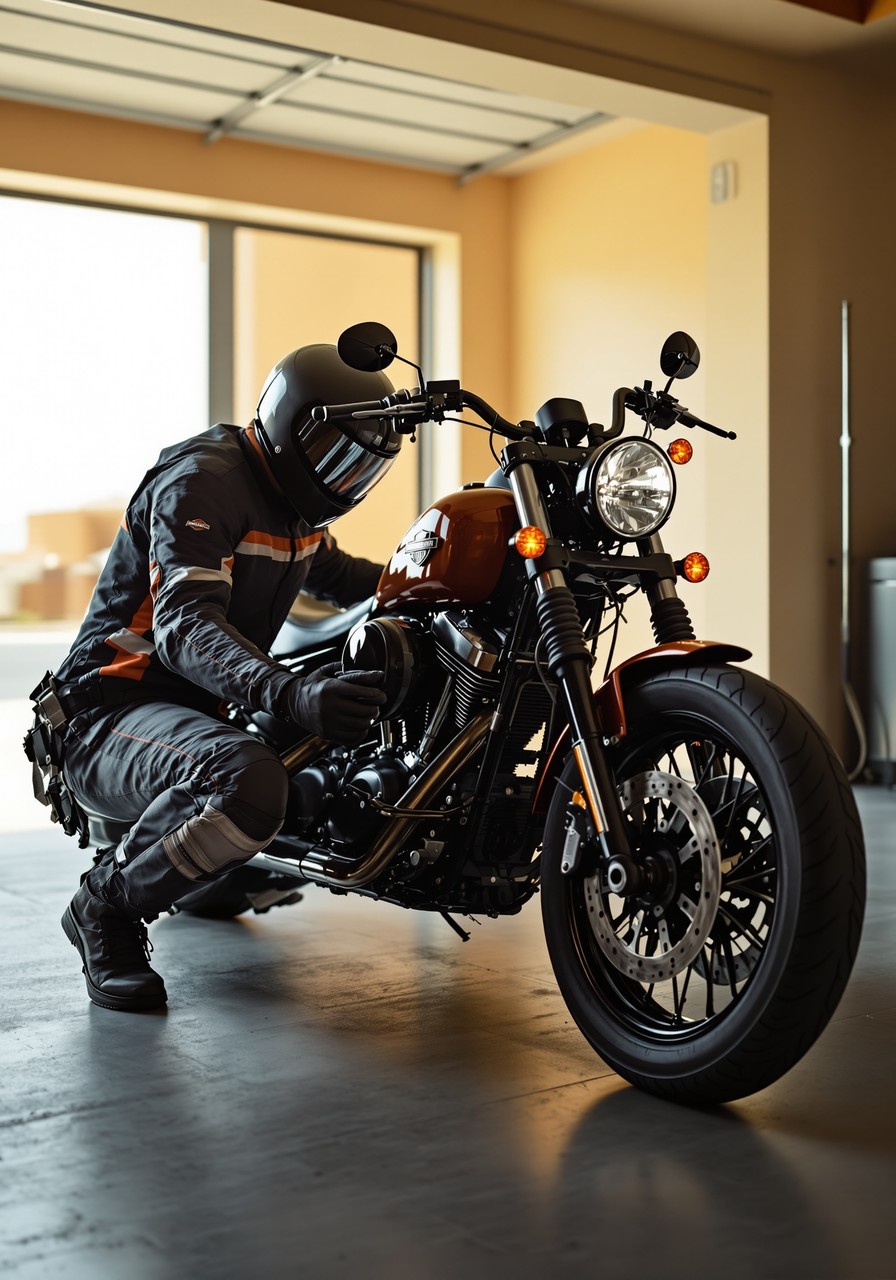
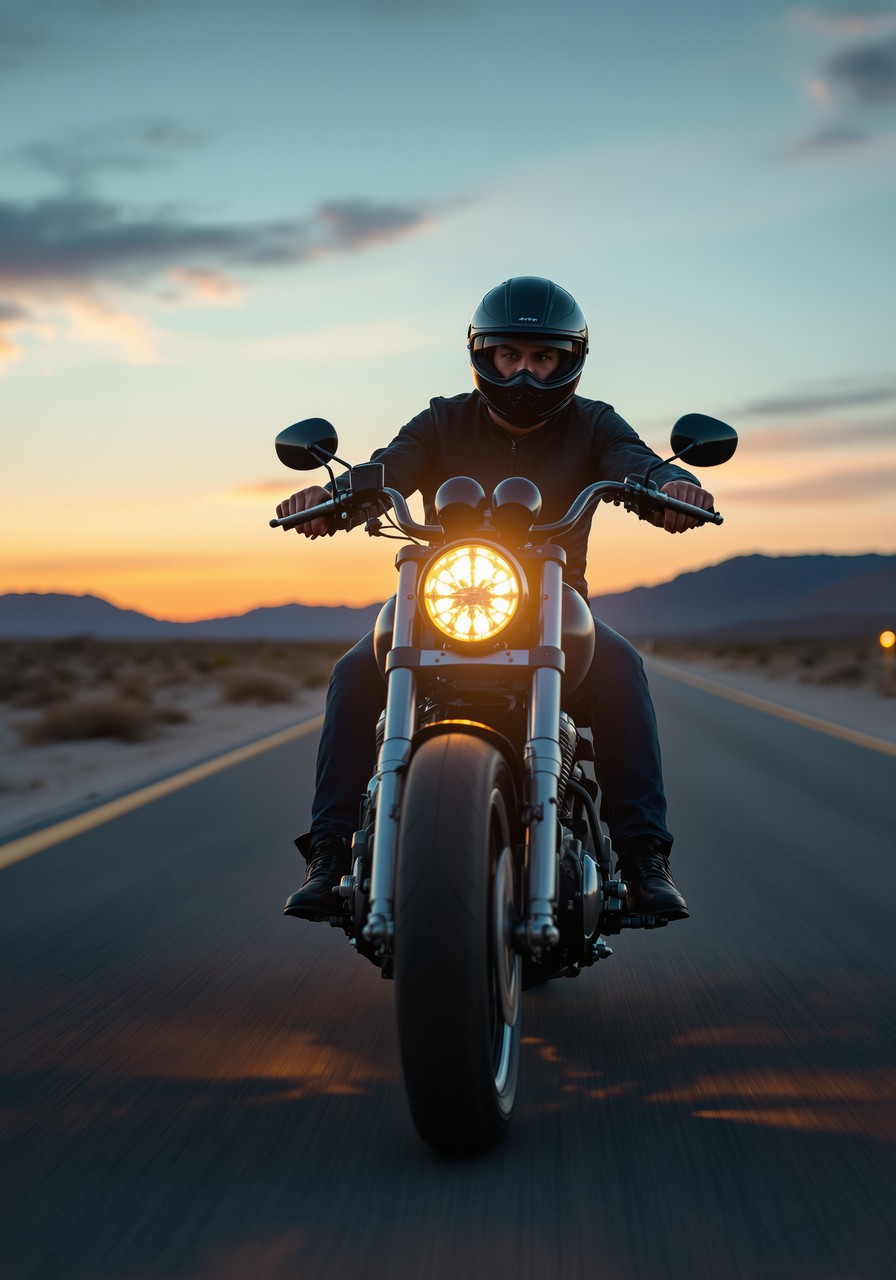
Whatever you ride, gear it head to toe every single time. Helmet, armor, gloves, boots. The desert does not hand out second chances, so wear yours. #RideNationNV #ATGATT #GearUp
Safety & NV Law
Know your policy before you need it: liability limits, UM/UIM, and MedPay all decide what you recover after a Nevada crash. Ten minutes today beats a nasty surprise later. Free case review at ericblanklaw.com. #RideNationNV #NevadaRiders #KnowYourRights